
Key takeaways
- Body skin darkens mostly from sun exposure and friction, so a brightening cream works best alongside daily sun protection.
- Elbows, knees, the neck and underarms respond slowly because the skin there is thicker, so stay consistent for several weeks.
- Apply to clean, slightly damp skin, start every other day, and patch test first to avoid irritation.
- The FDA recommends broad-spectrum SPF 15 or higher and about one ounce to cover the whole body, reapplied every two hours.
- Look for gentle ingredients like niacinamide and alpha arbutin rather than harsh, fast-acting formulas.
If your elbows, knees or neck look darker than the rest of you, a good body whitening cream can gently even things out over a few weeks. The trick is using it correctly and protecting your skin from the sun, because that is where most uneven tone comes from in the first place.
This guide walks you through why body skin darkens, which areas to focus on, how to apply without irritation, and how to pair your routine with sun care that actually holds. No complicated rules. Just simple steps you can start tonight.
Why Body Skin Darkens in the First Place
Before you reach for a cream, it helps to know what you are treating. Dark patches on the body usually come from a handful of everyday causes, and most of them are fixable.
Your skin makes a pigment called melanin. Melanin is what gives skin its colour, and your body produces more of it when it feels stressed or exposed. The most common triggers are:
- Sun exposure. UV rays push your skin to make extra melanin as a defence. Over time, that shows up as patchy, darker areas.
- Friction. Elbows, knees and underarms rub against clothing, floors and each other all day. That constant rubbing thickens the skin and darkens it.
- Dryness. Rough, flaky skin looks duller and darker than smooth, hydrated skin.
- Old marks. Acne, insect bites, cuts and shaving can leave behind dark spots long after they heal.
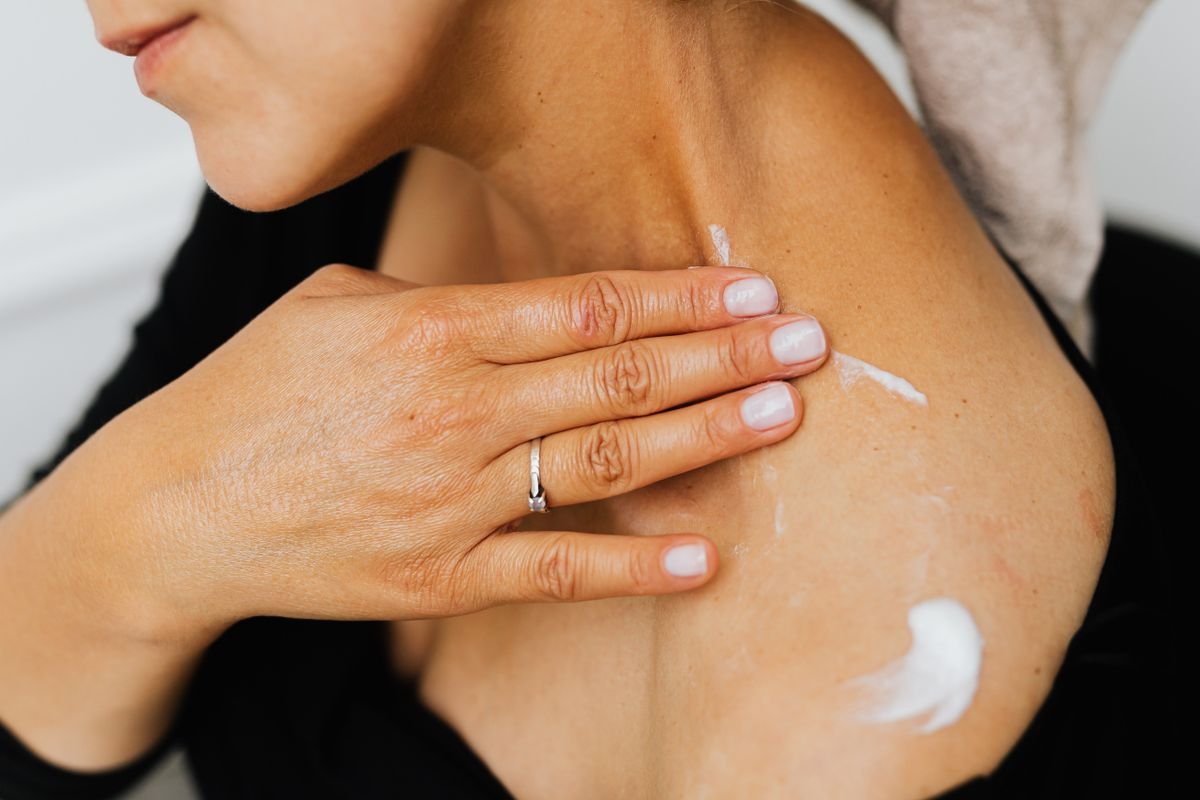
In a country like Sri Lanka, the sun does most of the heavy lifting. The UV index stays high all year, so even short daily trips outside add up. Sun damage is rising elsewhere too. An American Academy of Dermatology survey from April 2025 found that the share of adults reporting tanned or darker skin climbed from 54 percent in 2020 to 67 percent in 2024, and sunburn reports rose from 25 percent to 35 percent over the same period (American Academy of Dermatology).
A body whitening cream helps by slowing that extra pigment production and supporting faster cell turnover, so darker patches fade and newer, more even skin comes through. It works gradually, which is exactly what you want. Gentle and steady beats harsh and fast.
What to Look for in a Skin Whitening Body Cream
Not every jar that promises a glow is worth your money. When you compare options, the ingredient list tells you more than the label on the front.
Look for brightening ingredients with a solid track record:
- Niacinamide. A form of vitamin B3 that helps fade uneven tone and strengthen the skin barrier. It is gentle enough for daily use.
- Alpha arbutin. A plant-derived ingredient that targets excess melanin without the harshness of older agents.
- Kojic acid. Often used in soaps and creams to brighten stubborn patches.
- Vitamin C. An antioxidant that supports a brighter, more even look over time.
Just as important is what you avoid. Steer clear of products that promise results in two or three days, or that list mercury or very high-strength steroids. Those can thin and damage your skin, which is the opposite of what you want.
A good skin whitening body cream also hydrates. Moisture alone makes skin look brighter, so a formula that doubles as a rich body lotion gives you two wins at once.
Best Areas to Target: Elbows, Knees, Neck and More
Some spots darken more than others, and knowing why helps you set realistic expectations. These areas share two things: thicker skin and constant friction.
Elbows and knees
These are the classic trouble zones. The skin folds, bends and rubs against surfaces hundreds of times a day. It is also thicker here, so it holds onto dead cells and pigment longer. Expect these areas to take the most time. Gentle exfoliation once or twice a week helps your cream reach fresh skin.
Neck and behind the ears
The neck gets heavy sun exposure but often gets skipped during sunscreen application. That mismatch leaves it a shade or two darker than the face. Extend your facial skincare down to your neck every single day and the two will start to match.
Underarms
Shaving, deodorant and friction all darken the underarm area. A brightening cream helps, but technique matters here. Apply only to fully dry skin, and give any shaving irritation a day to settle before you use the cream.
Ankles, knuckles and knees of the hands
These small spots are easy to forget. Treat them the same way you treat your elbows: exfoliate gently, apply cream daily, and keep them covered from the sun when you can.
A quick note on patience. Thicker skin simply turns over more slowly, so give these areas four to eight weeks before you judge your progress. Take a photo on day one so you have something honest to compare against later.
How to Apply for Smooth, Glowing Results Without Irritation
Application is where most people go wrong. They slather on too much, too often, and their skin reacts. Here is a calmer approach that works.
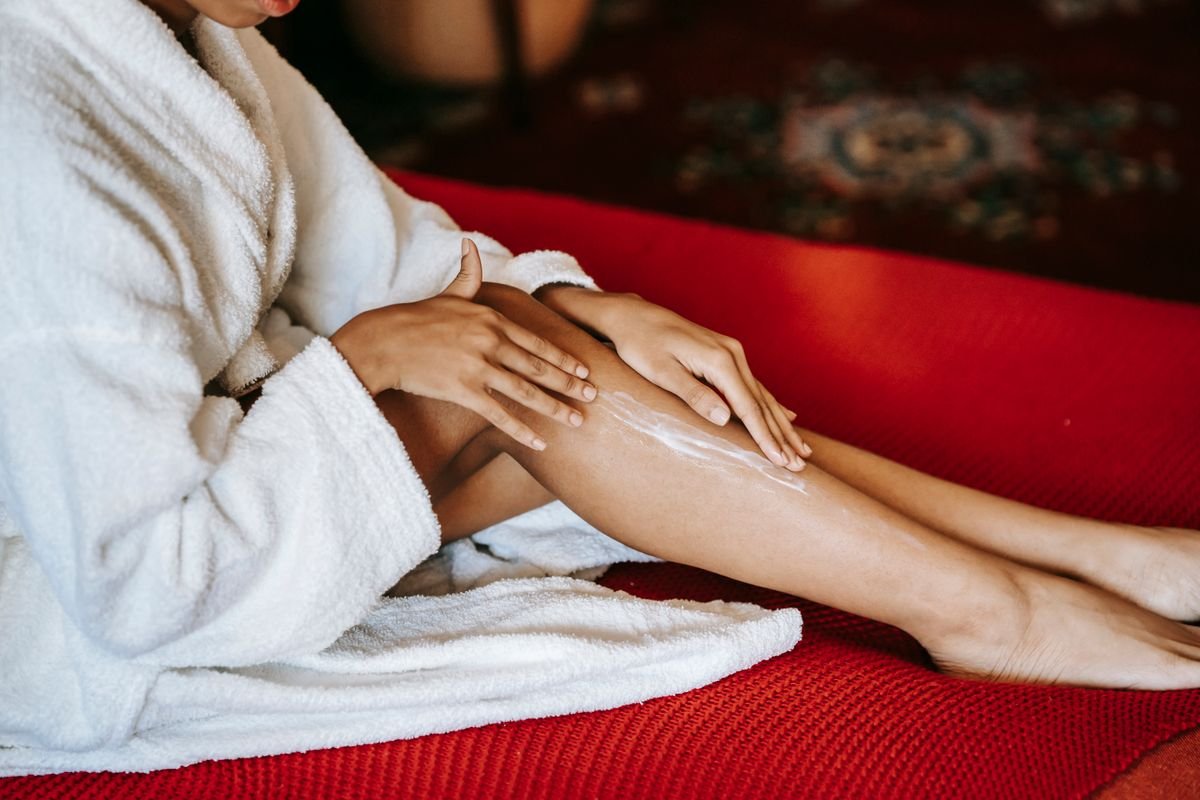
- Patch test first. Dab a little on the inside of your forearm and wait 24 hours. No redness or itching means you are good to go.
- Start with clean skin. Shower and pat your skin until it is slightly damp. Damp skin absorbs product better than bone-dry skin.
- Use a thin, even layer. A little goes a long way. Massage it in using small circles until it disappears.
- Go slow at the start. Apply every other day for the first week. If your skin stays happy, move to daily use.
- Be consistent. Results come from showing up, not from piling on extra cream. One steady application beats three rushed ones.
A light, brief tingle can be normal. Stinging, burning, redness or peeling is not. If that happens, rinse the area, pause for a few days, and reintroduce the cream slowly once your skin settles.
Timing helps too. Many brightening ingredients are best used at night, because sunlight can reduce how well they work and can irritate freshly treated skin. A nighttime routine also pairs nicely with a good moisturiser, so your skin wakes up soft and hydrated.
Exfoliation: The Step That Speeds Everything Up
If you only add one extra habit, make it gentle exfoliation. It clears away the dull, dead surface layer so your cream can reach the fresh skin underneath.
You have two easy options:
- Physical exfoliation. A soft scrub or a textured cloth used once or twice a week. Keep the pressure light, especially on knees and elbows.
- Chemical exfoliation. A body lotion or soap with mild acids that dissolve dead cells without scrubbing.
Do not overdo it. Daily scrubbing strips your skin and can make darkening worse, not better. Two sessions a week is plenty for most people. On exfoliation days, apply your whitening cream afterward so it absorbs into clean, ready skin.
One more tip for the shower: skip very hot water. Hot water dries skin out and leaves it looking dull, which works against everything else you are doing.
Pairing Body Care With Daily Sun Protection
This is the part people skip, and it is the part that makes or breaks your results. You can use the best cream in the world, but if your skin keeps meeting the sun unprotected, new darkening replaces the old. Sun protection is the foundation, not an afterthought.
The FDA recommends using a broad-spectrum sunscreen with an SPF of at least 15, applying about one ounce to cover the whole body, and reapplying at least every two hours (U.S. Food and Drug Administration). One ounce is roughly a shot glass full, which is far more than most people actually use.
A few habits make this easy to stick to:
- Cover the forgotten spots. The back of the neck, the tops of the hands, ears and ankles all get missed. Treat them with the same care as your face.
- Reapply after swimming or sweating. Water and sweat wash protection away faster than the clock suggests.
- Use shade and clothing too. A light long-sleeve top or a hat does part of the job for you, especially during midday hours.
In Sri Lanka's climate, daily sun protection is not a special-occasion thing. It is an everyday step, the same as brushing your teeth. Protect the progress you are working so hard to earn.
What a Body Whitening Cream Can and Cannot Do
Let us be honest about what a cream can and cannot do, because managing expectations keeps you from quitting too early or chasing risky products.
A body whitening cream can:
- Fade uneven patches and old marks over several weeks.
- Smooth rough, dull areas so skin looks brighter.
- Help maintain an even tone once you reach it.
A cream cannot change your natural skin colour, and it should not try to. The goal here is an even, healthy, well-cared-for tone, not a completely different complexion. Any product promising to bleach you several shades lighter in days is one to avoid for your skin's safety.
Progress also is not perfectly linear. Some weeks you will see clear change, others feel flat. That is normal. Keep your routine steady and judge it over a month, not a morning.
Common Mistakes That Slow You Down
Even with a great cream, a few small habits quietly sabotage your results. Watch out for these.
- Skipping sunscreen. The biggest one. Unprotected sun exposure undoes your work daily.
- Using too much, too fast. More cream does not mean faster results. It usually means irritation.
- Over-exfoliating. Scrubbing every day damages your barrier and can darken skin further.
- Giving up at two weeks. Thicker body skin needs four to eight weeks. Quitting early means you never see the payoff.
- Ignoring dryness. Dry skin looks dull. Moisturise daily so your even tone actually shows.
- Mixing too many actives. Layering harsh scrubs, acids and strong creams at once overwhelms your skin. Keep it simple.
Fix even two of these and you will likely see a difference faster than you expect.
A Simple Morning and Night Body Routine
You do not need ten steps. A short, repeatable routine beats an elaborate one you abandon after a week. Here is a version that fits a normal day.
Morning:
- Shower and pat your skin until just damp.
- Apply a light moisturiser to lock in water.
- Finish with sunscreen on every area that will see daylight, including your neck, hands and ankles.
Night:
- Rinse off the day's sweat, sunscreen and dust.
- On clean, slightly damp skin, apply your body whitening cream to your target areas.
- Seal with a plain moisturiser over the top if your skin runs dry.
Two or three nights a week, swap step one for gentle exfoliation before you apply the cream. That is the whole routine. Everything else is optional.
If your skin is sensitive or easily irritated
Some skin needs a softer touch, and pushing through irritation only sets you back. If your skin stings easily, flushes red, or reacts to new products, slow everything down with a few adjustments:
- Buffer the cream. Mix a pea-sized amount of your whitening cream into a little plain moisturiser before applying. This dilutes the actives without cancelling them out.
- Treat one area at a time. Start with a single patch, like one elbow, and watch it for a week before expanding.
- Avoid broken skin. Never apply to fresh cuts, shaving nicks, sunburn or active breakouts. Wait until the skin heals.
- Pause when in doubt. If an area feels tight, itchy or raw, stop for a few days and let it recover before you restart.
Irritated skin often produces more pigment as it heals, so a gentle approach genuinely protects your results. Cool water, a fragrance-free moisturiser and a few rest days usually settle things down quickly.
A Gentle Word on Our Brightening Body Range
If you are ready to start, you do not need a cabinet full of products. One well-made brightening cream plus a daily sunscreen covers the essentials.
At Onlinebeautybar, our Korean-inspired brightening range is built around gentle, hydrating formulas rather than harsh fast-acting ones, which fits the slow-and-steady approach that keeps your skin healthy. We ship island-wide, pricing is in LKR, and installment-friendly options make it easier to stay consistent, which is what actually gets results. If you are new to building a routine, our 30-day Korean skincare challenge gives you a simple structure to follow.
Pick one brightening cream you can commit to, pair it with daily sun protection, and give it a full month. Take a before photo today, apply it to clean skin tonight, and let consistency do the quiet work. Your softer, more even skin is a few patient weeks away.
Frequently asked questions
How long does body whitening cream take to work?
Most people see a softer, more even tone after four to eight weeks of daily use. Thicker areas like elbows and knees take longer, so be patient and consistent.
Can I use a body whitening cream on my face?
It is better not to. Face skin is thinner and more sensitive, so use a product made for the face instead. Stick to body formulas on the body.
Does body whitening cream work without sunscreen?
Not well. Sun exposure is the biggest cause of uneven body tone, so without daily sun protection, new darkening keeps undoing your progress.
Is it normal for skin to tingle after applying?
A light, brief tingle can be normal, but stinging, burning or redness is not. Rinse off, pause use, and patch test before trying again.
Which areas darken the most?
Elbows, knees, the neck, underarms, ankles and knuckles darken most because of friction, folding and thicker skin that holds extra pigment.