

Key takeaways
- A 7 day whitening night cream can soften dullness and smooth texture, but it cannot erase deep pigmentation in one week.
- Your skin renews on a roughly month-long cycle, so visible fading of dark marks usually takes four to twelve weeks of steady use.
- Fast whitening products that promise dramatic results in days can hide unsafe ingredients like mercury or illegal hydroquinone.
- Gentle, consistent brightening with sunscreen by day beats harsh shortcuts for lasting, even-toned glow.
A 7 day whitening night cream can leave your skin softer, more hydrated and glowing by the end of the week, but it will not erase dark spots or lighten your natural tone that fast. Real brightening follows your skin's renewal cycle, and that takes weeks, not days.
If you have ever bought a cream promising porcelain skin in a week, you are not alone. These products sell everywhere online in Sri Lanka, and the before-and-after photos look amazing. In this post I will walk you through what a week of night cream can genuinely do, what needs a full month or more, and how to build a safe brightening routine that actually lasts.
The Truth Behind "7 Day" Whitening Claims in Sri Lanka
Scroll through any local beauty feed and you will see the same promise: flawless, fair skin in seven nights. It is a powerful hook because it speaks to something real. Pigmentation, acne marks and uneven tone are genuinely frustrating, and a week feels bearable when you are tired of waiting.
Here is what is actually happening in most of those seven-day results.
A good night cream hydrates deeply while you sleep. Well-moisturised skin looks plumper, smoother and more reflective, so it reads as brighter almost immediately. That glow is real. It is just not the same thing as lightening pigment that sits deeper in your skin.
So when a label says "whitening in 7 days," the honest version is usually "fresher, more radiant looking skin in 7 days." That is still worth having. The problem starts when a brand pushes the claim further and promises to fade years of sun spots or acne scars in the same week. That part is not how skin works.
If you want to understand the mechanics behind these products before you buy, this guide on how skin whitening creams actually work breaks down the ingredients doing the real work.
What Can Realistically Change in a Week Versus a Month
Your skin is not a screen you can brighten with a slider. It is living tissue that renews itself on a schedule, and that schedule decides what a cream can and cannot do in a given window.
New skin cells form in the deepest layer of your epidermis. They slowly travel upward, mature, and finally shed from the surface. In healthy adult skin this full journey takes roughly a month, and it often runs longer as we get older. The pigment you want to fade sits inside those cells. Until they reach the surface and flake away, that colour stays visible, no matter how good your cream is.
That single fact explains the whole timeline.
In the first 7 days you can realistically expect:
- Softer, smoother skin texture
- Better hydration and less tightness
- A fresher, more even-looking glow
- Slightly reduced dullness
Over 4 to 12 weeks you can realistically expect:
- Gradual fading of dark spots and acne marks
- A more even overall tone
- Brighter skin that holds up without heavy makeup
- Fewer new marks forming, if you protect your skin by day
Ingredients prove the point. Gentle brightening actives like niacinamide, vitamin C and alpha arbutin are well studied, and the research consistently measures their results over weeks of daily use, not days. They work by calming excess pigment production and supporting even tone over time. A week simply is not long enough for that chemistry to show on the surface.
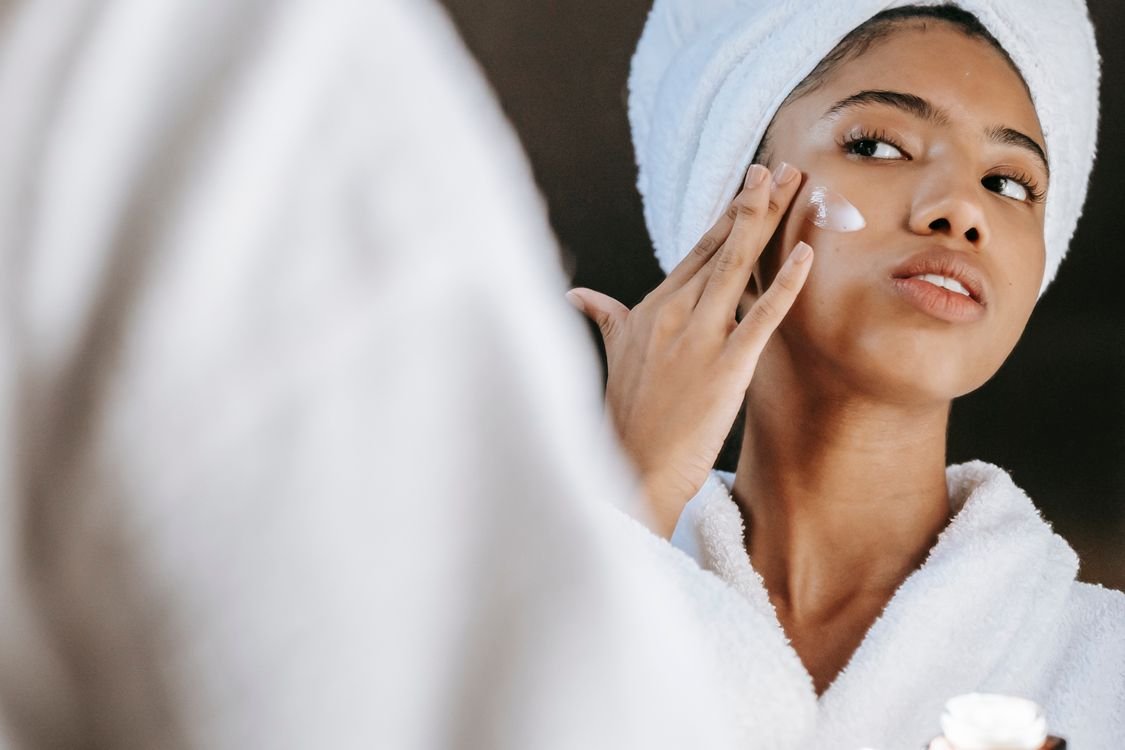
So if a cream genuinely transforms your pigmentation in seven days, be curious rather than thrilled. Something may be working faster than skin biology normally allows, and that is where safety questions begin.
Why "Fast Whitening" Can Be a Warning Sign
I want to be clear and calm about this, because fear-mongering helps no one. Most night creams you buy are perfectly fine. But the small category of products that promise dramatic, days-fast whitening is exactly where unsafe shortcuts show up.
When a cream lightens skin far faster than normal renewal allows, it is often suppressing or stripping pigment aggressively. Two ingredients come up again and again in warnings from health regulators: mercury and misused hydroquinone.
The U.S. Food and Drug Administration has repeatedly warned consumers about skin lightening products that hide these ingredients. In its testing of contaminated skin products, the FDA found mercury levels ranging from 47 to 27,762 parts per million, with one whitening cream alone measuring 27,762 ppm. According to the FDA, mercury exposure from these products can cause kidney damage and neurological damage such as tremors, tingling or numbness, headaches, fatigue and mood or cognitive disturbances. The agency also warns that hydroquinone can cause skin discoloration that may be permanent, a condition called ochronosis.
Those are not minor risks. And mercury vapour can affect other people in your home, not only the person using the cream.
This is why the fastest-sounding product is often the riskiest buy. A tone that lightens in days without any irritation warning, any sunscreen advice, or any ingredient list worth reading deserves real suspicion. Before ordering anything that sounds too good, slow down and check the seller, the reviews and the full ingredient list so you can spot the signs of a dodgy listing.
Why Gentle Consistency Beats Harsh Fast Fixes
Think of brightening like fading a stain from fabric. You can scrub it hard once and damage the cloth, or you can treat it gently and repeatedly until it lifts. Skin responds the same way.
Harsh fast fixes tend to over-exfoliate or over-suppress pigment. In the short term your face may look lighter. In the medium term you can end up with redness, peeling, a compromised skin barrier, and ironically more pigmentation, because irritated skin often produces extra melanin to protect itself. That is called post-inflammatory hyperpigmentation, and it is a common reason people feel their marks got worse after a "miracle" cream.
Gentle, consistent routines win for a simple reason. They support your skin's natural renewal instead of fighting it. You fade pigment at the pace new cells can replace old ones, and you keep your barrier healthy so results hold.
Here is the mindset shift that helps most of my customers:
- Stop measuring progress in days. Start measuring in weeks.
- Pick one gentle brightening product and actually finish the jar before judging it.
- Take a photo in the same spot and light once a week.
- Protect your work with sunscreen every single morning.
That last point matters more than any night cream. Sun exposure is the biggest driver of pigmentation, and daytime light can undo weeks of night-time progress. Dermatology bodies consistently describe sun protection as the foundation of treating uneven tone. A brightening routine without daily sunscreen is a bucket with a hole in it.
If night cream is new to you, remember that night-time is when your skin repairs best, which is exactly why a dedicated evening product earns its place in the routine.
How to Build a Safe Brightening Night Routine Instead
You do not need ten steps or a shelf of expensive bottles. A short, consistent routine beats a complicated one you abandon after a week. Here is a simple structure that suits most skin types in Sri Lanka's warm, humid climate.
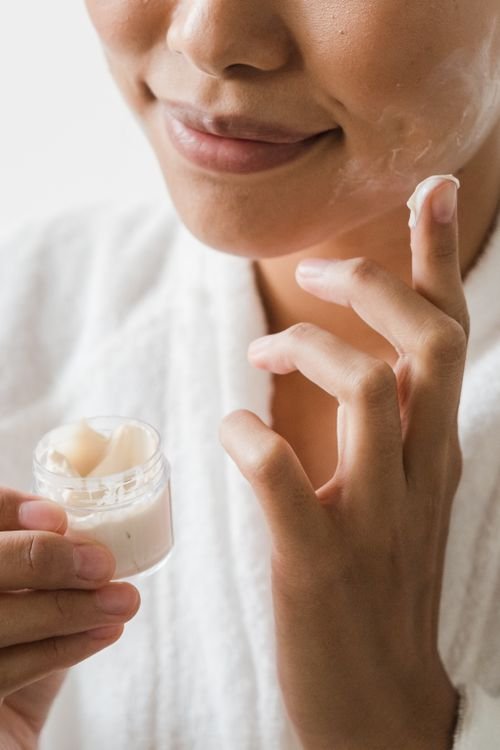
Your evening brightening routine
- Cleanse. Wash off sunscreen, sweat and pollution with a gentle face wash. This step matters more than any active, because nothing absorbs well on dirty skin.
- Tone (optional). A hydrating or polishing toner preps skin and adds a first layer of moisture.
- Treat. Apply your brightening product. Ingredients like niacinamide, vitamin C or alpha arbutin are gentle, well-researched choices for evening tone.
- Moisturise. Seal everything in with a night cream suited to your skin. Dry skin loves a richer cream; oily skin does better with a lighter one.
Your morning routine
- Cleanse gently.
- Moisturise lightly.
- Sunscreen, broad-spectrum, every morning without exception.
A few ground rules
- Introduce one new product at a time so you can tell what your skin likes.
- Patch test on your jaw for a couple of nights before applying all over.
- If something stings, burns or peels badly, stop. Brightening should feel calm, not punishing.
- Give any routine a minimum of four weeks before you decide it is not working.
If you want a structured way to stay consistent, following a plan like the 30-day Korean skincare challenge for clearer skin gives you a realistic finish line instead of a disappointing seven-day one.
Reading a Whitening Night Cream Label Without the Hype
Marketing is loud, so let the label do the talking. A trustworthy brightening cream usually has a few honest signs.
- It lists its ingredients clearly instead of hiding behind the word "whitening."
- It names gentle, recognised actives rather than vague "secret formulas."
- It sets realistic expectations, often weeks, not seven days.
- It encourages sunscreen use, which shows the brand understands how pigment works.
Watch out for the opposite. Promises of fairness in days, no ingredient list, no safety advice and claims that sound medical without any evidence are all reasons to slow down. A cream that is confident enough to tell you it takes time is usually one that respects your skin.
Price is not proof of safety either, in either direction. A cheap honest cream can be excellent, and an expensive one can over-promise. Judge the ingredients and the claims, not the sticker. What separates an effective formula from a gimmick is honest labelling, recognised actives and a realistic timeline, not a bigger price tag.
Setting Realistic Expectations by Skin Concern
Different concerns fade at different speeds, so it helps to know roughly what to expect before you start. These are general guides, not promises, because every face is different.
- General dullness: Often the fastest to improve. Hydration and consistency can refresh a tired complexion within a week or two.
- Mild acne marks: The pink and brown marks left after a pimple heals usually fade over several weeks with gentle brightening and sun protection.
- Older pigmentation and sun spots: These sit deeper and are the slowest to shift. Think months of patience, not weeks, and keep expectations kind.
- Melasma and hormonal pigmentation: Notoriously stubborn and strongly linked to sun exposure. Daily sunscreen matters even more here, and professional advice can help.
Knowing your category protects you from disappointment. If you expect a week to clear years of sun damage, no honest cream will satisfy you. If you expect steady progress over a month or two, you will be pleasantly surprised by what gentle consistency delivers.
An Honest Pick for Gradual, Lasting Glow
If you came here hoping I would hand you a magic seven-day cream, I am sorry to let you down. There is no safe product that lightens deep pigmentation in a week, and I would rather you keep your skin healthy than chase a number on a label.
What I can offer is the thing that genuinely works: a gentle brightening night cream used steadily, paired with daily sunscreen. At Onlinebeautybar, our Glow night-care range is built around that slower, kinder approach, with formulas meant to support your skin's natural renewal rather than force it. You will not see a transformed face tomorrow. Over a month of nightly use, you give your skin a real, fair chance to even out and glow.
Here is your next step. Instead of ordering the loudest "7 day whitening" promise you can find, pick one gentle night cream, commit to it for a full four weeks, and take a weekly photo in the same light. Protect it every morning with sunscreen. That quiet routine will outperform any shortcut, and your skin will thank you for the patience.
Frequently asked questions
Can a 7 day whitening night cream really lighten my skin?
In seven days a good night cream can boost hydration, smooth texture and add a fresh glow. True fading of dark spots and pigmentation takes several weeks because your skin renews on a monthly cycle.
Why do some whitening creams work so fast?
Creams that look dramatic within days often rely on surface tricks or, in unsafe cases, banned ingredients. The FDA has found illegal skin lightening products containing mercury and unapproved hydroquinone, which can harm your skin and health.
How long should I use a brightening night cream before I see results?
Give it at least four weeks for early signs and eight to twelve weeks for a clear, even tone. Take weekly photos in the same light so you can track small, real changes.
Do I still need sunscreen if I use a whitening night cream?
Yes. Daytime sun exposure darkens pigmentation and undoes night-time progress, so a daily broad-spectrum sunscreen is the most important step for any brightening routine.