
Key takeaways
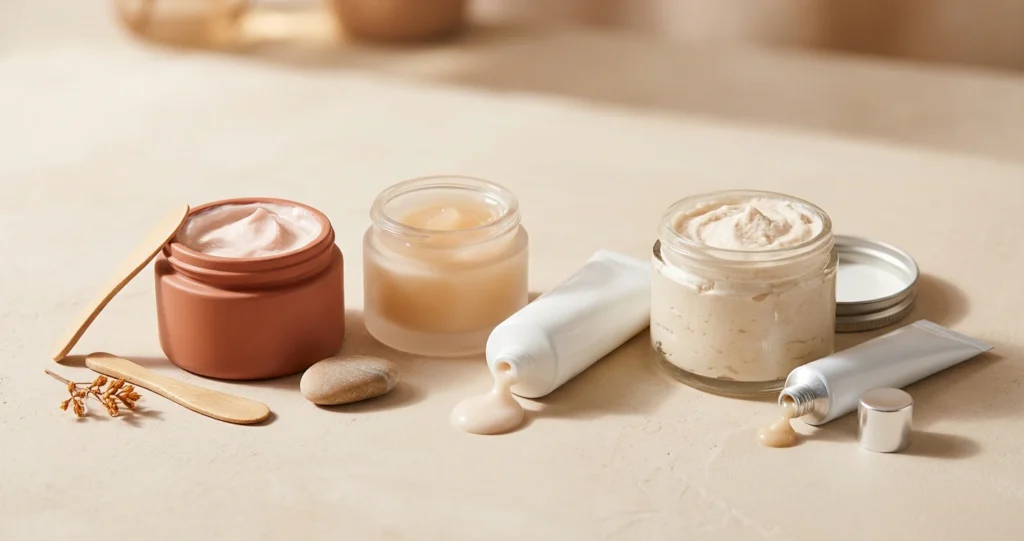
- Match your face cream to your skin type first: lightweight gel for oily skin, richer cream for dry skin, and a gentle fragrance-free formula for sensitive skin.
- Look for humectants like hyaluronic acid and glycerin to pull in water, plus ceramides to help seal the skin barrier.
- A pea-sized amount is usually enough; apply it to slightly damp skin, morning and night, for the best hold.
- The most common mistakes are picking a cream for the wrong skin type, using too much, and skipping sunscreen in the morning.
The right face cream is the one that matches your skin type, carries ingredients that actually hydrate, and fits into a routine you can keep up. That single match matters more than price, packaging or how many followers a brand has.
Walk into any shop or scroll any skincare page and the choice feels endless. Jars, tubes, gels, balms, day creams, night creams. It is easy to grab whatever looks nice and hope for the best. This guide takes the guesswork out. You will learn how to read your own skin, which face cream suits it, what ingredients to look for, how much to use, and the simple mistakes that trip up most first-timers.
Let's start with the part everyone skips.

Understand Your Skin Type Before You Buy
You cannot pick the right cream for skin you have not read. Most "my cream broke me out" or "it did nothing" stories come down to a mismatch, not a bad product.
Try this quick home test. Wash your face with a gentle cleanser, pat dry, and put nothing on it. Wait about an hour, then notice how your skin feels and looks.
- Oily skin: shiny across the forehead, nose and cheeks, maybe with visible pores.
- Dry skin: tight, rough or flaky, sometimes a little itchy.
- Combination skin: oily T-zone (forehead and nose) with normal or dry cheeks.
- Sensitive skin: quick to sting, go red or react when you try new products.
- Normal skin: comfortable, not too tight, not too greasy.
Your skin type can shift with the seasons and with age, so it is worth checking again if things change. Sri Lanka's heat and humidity push many people toward the oilier side, while air-conditioned offices can dry you out. If you are still unsure where you land, pay attention to how your skin feels at midday, since that tells you whether your current routine is a good match.
Write down your type. Everything below builds on it.
Face Cream for Oily, Dry, Combination and Sensitive Skin
Once you know your type, the shortlist gets much smaller. This is what to reach for.
Oily skin
Go light. Choose a gel cream or an oil-free, water-based formula that absorbs fast and leaves no greasy film. Look for the words "non-comedogenic," which means it is formulated not to clog pores. Oily skin still needs hydration, so do not skip cream altogether. A hydrated oily face often produces less excess oil over time.
Dry skin
Go richer. Dry skin does well with a thicker cream that holds moisture in, ideally one with ceramides and a humectant like glycerin or hyaluronic acid. If your skin feels tight by midday, that is a sign your current cream is too thin for you. A dedicated night cream can give dry skin extra repair time while you sleep.
Combination skin
You have two zones to please. Many people use one balanced cream all over, then add a little extra on dry patches. Others use a lighter texture on the T-zone and something richer on the cheeks. Both work. The Korean approach of layering thin, targeted products suits combination skin especially well, since it lets you treat each zone without smothering the whole face.
Sensitive skin
Keep it simple and calm. Pick a fragrance-free cream with a short ingredient list and soothing ingredients like centella or panthenol. Patch test first: dab a little on your inner arm or behind your ear for a couple of days before using it on your face. If it stings or reddens, it is not for you.
Normal skin has the easiest job. Almost any well-formulated cream works, so you can choose based on texture and the extras you want, such as brightening or anti-ageing support.
Key Ingredients That Hydrate and Protect
Ingredient lists look intimidating, but a handful of words tell you most of what you need. Think of hydration as a three-part job: pull water in, hold it, and seal it.
- Humectants (pull water in): hyaluronic acid, glycerin and panthenol draw moisture toward your skin. The American Academy of Dermatology highlights hyaluronic acid for its strong moisturising quality and lists ceramides as a key ingredient to look for when picking a moisturiser.
- Emollients (smooth and soften): squalane, shea butter and plant oils fill the gaps between skin cells so your face feels soft rather than rough.
- Occlusives (seal it in): ingredients like petrolatum and some plant waxes form a light barrier that slows water loss, which matters most for very dry skin.
- Barrier support: ceramides are natural fats your skin already uses to stay strong. A cream with ceramides helps your skin hold water better and feel less reactive.
A few extras are worth knowing. Niacinamide helps with oil balance and uneven tone. Centella and snail mucin are gentle K-beauty favourites for calming and plumping, and they appear in many Korean-inspired creams aimed at sensitive or stressed skin.
If your skin is dry or sensitive, the AAD suggests steering clear of alcohol, added fragrance and strong acids in your daily moisturiser, since these can irritate rather than soothe.
How Much Face Cream to Use and When to Apply It
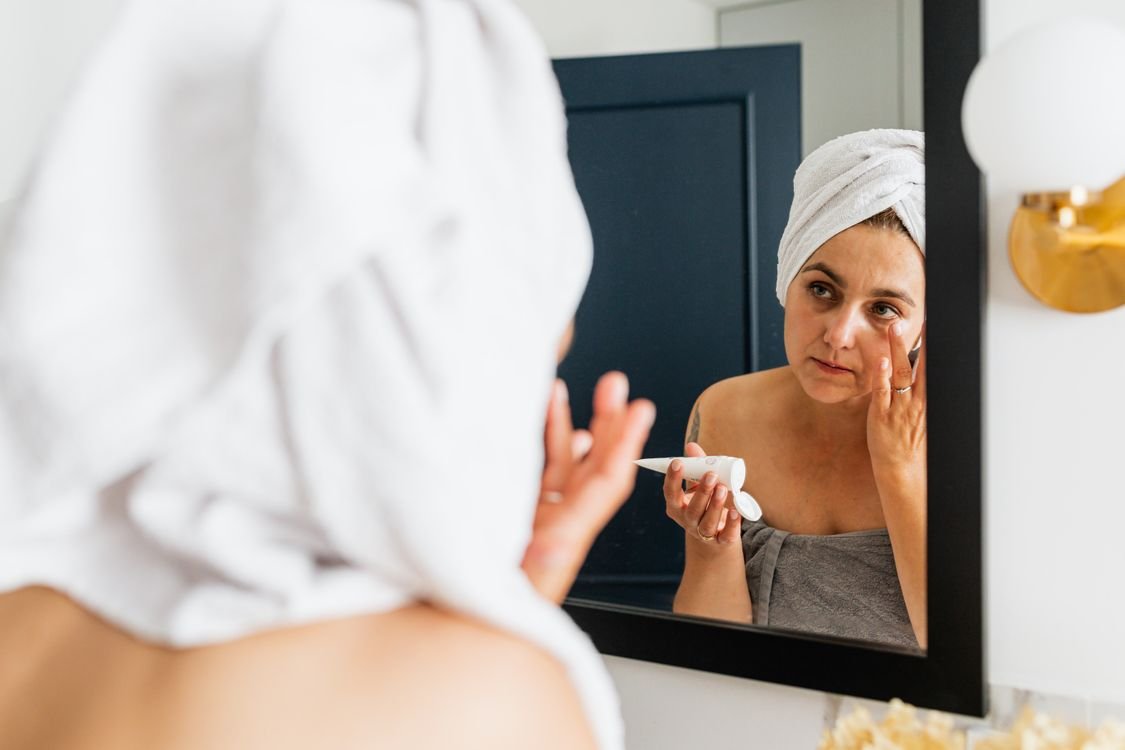
More cream is not more hydration. A pea-sized amount for your whole face is usually enough. Pile on too much and it sits on the surface, pills under makeup, and can clog pores.
Follow these steps to apply it so it actually works.
- Cleanse and gently pat your skin, leaving it slightly damp.
- Apply any lighter steps first, such as toner or serum, working from thinnest to thickest texture.
- Warm the pea-sized amount between your fingertips.
- Press it gently over your face and neck. No hard rubbing.
- Give it a minute to settle before the next step.
Applying to slightly damp skin helps because the humectants have more water to grab. For everyday dryness, the AAD recommends moisturising at least twice a day, morning and night. If your skin is genuinely dry or you use emollients for a skin condition, the NHS advises applying them more often, at least 3 or 4 times a day, and reapplying whenever your skin feels tight.
Timing matters too. In the morning, your cream goes under sunscreen. At night, it is your last step and can be a little richer, since your skin repairs itself while you sleep.
Day Cream, Night Cream and SPF: Fitting It Into a Routine
A face cream does not work alone. The habits around it decide how well it performs.
In the morning, keep it light and always finish with sunscreen. Sun exposure is a major driver of pigmentation, dark marks and early ageing, which is exactly what most people are trying to fix with their cream. A separate SPF on top protects that investment, and in our climate a dedicated sunscreen is worth the extra step.
At night, you can go richer. This is the time for repair ingredients and a cream that locks in everything you applied before it. Oily skin is not excluded here; a lightweight night cream still helps. If that sounds like you, How to Choose a Night Cream for Oily Skin walks through it.
One more climate note. Sri Lanka's heat can shorten the life of your cream and change its texture. Store it somewhere cool and out of direct sun so it stays effective to the last scoop.
Adjust with the seasons, not just the jar
Your skin is not the same in April heat as it is during a cool, wet spell. A cream that felt perfect in the dry season can feel heavy and sticky once humidity climbs, and a light gel that worked in the monsoon might leave you tight when the air conditioning runs all day.
So treat your routine as something you tune, not set once. If your skin starts feeling greasy, step down to a lighter texture or use a little less. If it turns tight and flaky, add a richer night cream or an extra pass of your current one. You do not need a whole new shelf of products for this. One lighter cream and one richer cream can cover most of the year between them.
Travel changes things too. A trip to the hill country, with its cooler, drier air, can dry your skin faster than Colombo ever does. Pack the richer option just in case.
Common Face Cream Mistakes to Avoid
Even a great cream underperforms with the wrong habits. These are the slip-ups we see most often.
- Buying for the wrong skin type. A rich cream on oily skin feels heavy and can trigger breakouts. A thin gel on dry skin leaves it tight. Match first, then choose.
- Using too much. Big blobs do not absorb better. Stick to pea-sized and reapply later if needed.
- Chasing hype over fit. A cream that transformed someone else's skin may do nothing for yours. Their skin type, climate and concerns are different from yours.
- Skipping sunscreen in the day. Without SPF, you are undoing your cream's work every time you step outside.
- Changing everything at once. Swap one product at a time so you can tell what helps and what irritates.
- Expecting overnight results. Hydration shows fast, but tone and texture changes usually take several weeks of steady use. Give a new cream a fair trial before judging it.
- Ignoring the ingredient list. If fragrance or alcohol sits near the top and your skin is sensitive, that is your warning.
Avoid these and an ordinary cream starts behaving like a good one.
Reading the Label Without Getting Lost
The front of the jar is marketing. The real story is on the back.
Ingredients are listed from most to least. So whatever sits in the first five tells you what the cream mostly is. If a hydrating hero like glycerin or hyaluronic acid appears early, that is a good sign. If water and thickeners dominate and the "active" ingredient you paid for is near the bottom, temper your expectations.
Watch for a few labels that genuinely help:
- Non-comedogenic: formulated to avoid clogging pores. Useful for oily and acne-prone skin.
- Fragrance-free: no added scent, which is kinder to sensitive skin.
- Broad-spectrum SPF: if it is a day cream with sun protection, this means it guards against both UVA and UVB.
Authenticity is the quiet factor behind all of this. A genuine formula performs the way its label promises; a fake one is a gamble with your skin. Buying from a trusted source matters, because a counterfeit cream can carry ingredients the label never mentions.
A Friendly Nudge Toward Beginner-Friendly Picks
If your head is spinning, here is the short version. Know your skin type. Pick a texture that suits it. Check for a humectant and, ideally, ceramides. Use a pea-sized amount morning and night, and wear sunscreen in the day. That is a complete, beginner-proof routine.
When you are ready to buy, you do not have to figure it all out alone. At Onlinebeautybar, our Korean-inspired creams are grouped by skin concern, so you can start from "my skin is dry" or "I get breakouts" rather than decoding a wall of jars. Many come as simple combo sets, and our island-wide delivery plus installment-friendly pricing in LKR makes it easier to start without overspending. If you prefer fewer steps, a single well-chosen cream and a sunscreen will take most beginners a long way.
Your next step is small. Do the one-hour skin test tonight, note your type, and let that single answer guide your very next cream. Your skin will thank you for choosing on fit, not on hype.
Frequently asked questions
How do I know my skin type before buying a face cream?
Wash your face, wait an hour, then check how it feels. Tight and flaky points to dry skin, shiny all over points to oily, shiny T-zone with dry cheeks is combination, and quick redness or stinging suggests sensitive skin.
Can oily skin skip face cream?
No. Oily skin still loses water and can get dehydrated. Use a light, oil-free gel cream so your skin stays hydrated without feeling greasy.
How much face cream should I use?
A pea-sized amount for your whole face is usually plenty. More product does not absorb better; it just sits on the surface and can clog pores.
Is a day cream and a night cream really different?
They can be. Day creams are usually lighter and pair well with sunscreen, while night creams are often richer to support your skin's natural repair while you sleep.
Do I need sunscreen if my face cream has SPF?
A face cream with SPF helps, but most people do not apply enough of it to get the labelled protection. A separate sunscreen on top is the safer habit, especially in Sri Lanka's strong sun.