
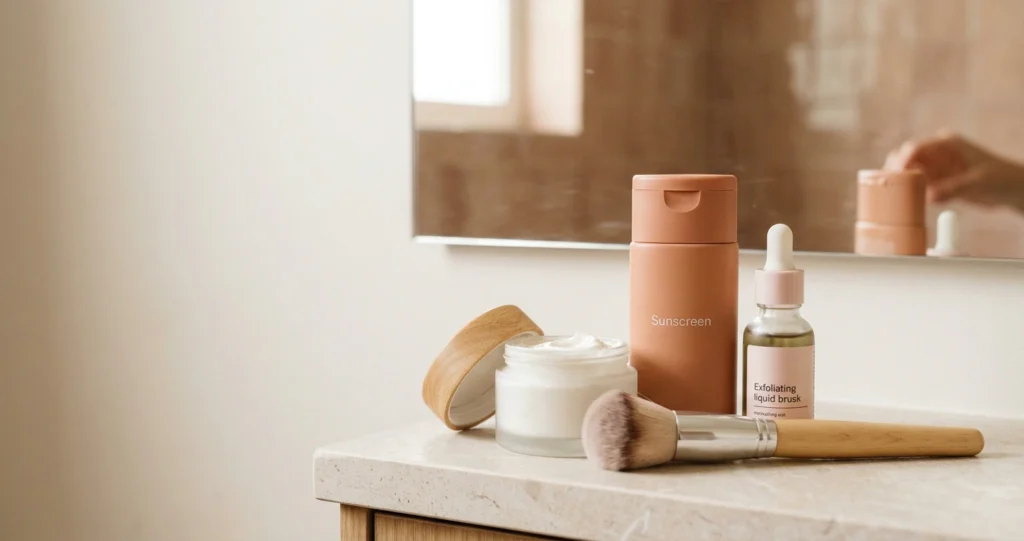
Key takeaways
- Bridal makeup skin prep starts with smooth, hydrated skin, so begin a gentle routine 8 to 12 weeks before the wedding, not the week of.
- SPF 30 blocks 97% of the sun's UVB rays (American Academy of Dermatology), making daily sunscreen the single most important prep step in Sri Lanka's sun.
- The American Academy of Dermatology suggests exfoliating only 1 to 2 times a week, so over-scrubbing before the big day is what causes flaky makeup, not under-doing it.
- On the morning of the wedding, hydrate in thin layers and let each one absorb fully before makeup touches your face.
Your makeup will only ever look as good as the skin underneath it. Get the prep right and foundation glides on, sits smooth, and still looks fresh in your last dance photo. This guide walks you through bridal makeup skin prep step by step, from the weeks before the wedding down to the final hour, so your glow lasts the whole day.
No filters, no panic, no last-minute miracle products. Just a simple plan you can actually follow.
Here is the thing most brides learn too late. The products your makeup artist uses matter far less than the canvas they work on. A hydrated, even, smooth face holds makeup for hours. Dry, flaky or freshly irritated skin fights it the whole time. Let's fix the canvas first.
Why Skincare Prep Decides How Long Your Makeup Lasts
Well-prepped skin gives makeup something to grip. When your face is hydrated and smooth, foundation spreads into an even film instead of catching on dry spots. That single difference is what separates makeup that looks flawless at the ceremony from makeup that cracks by the reception.
Think of your skin as the primer under a coat of paint. Rough walls show every brush mark. Smooth walls don't.
Two things fight your makeup on a Sri Lankan wedding day: oil and dryness. They sound like opposites, but both wreck longevity. Excess oil lifts foundation and makes it slide. Dry patches grab pigment and turn flaky. Prep solves both by balancing the skin before a single cosmetic touches it.
Heat and humidity make this harder. Warmer skin produces more sebum, and that extra oil is exactly what breaks foundation down over a long day. Research in the journal Environmental Research has linked higher temperatures to increased sebum and skin inflammation, which is why brides in a tropical climate need prep that controls oil rather than ignoring it.
The takeaway is simple. You cannot "set" your way out of bad prep. A good base starts days and weeks before, not with setting spray at the end.
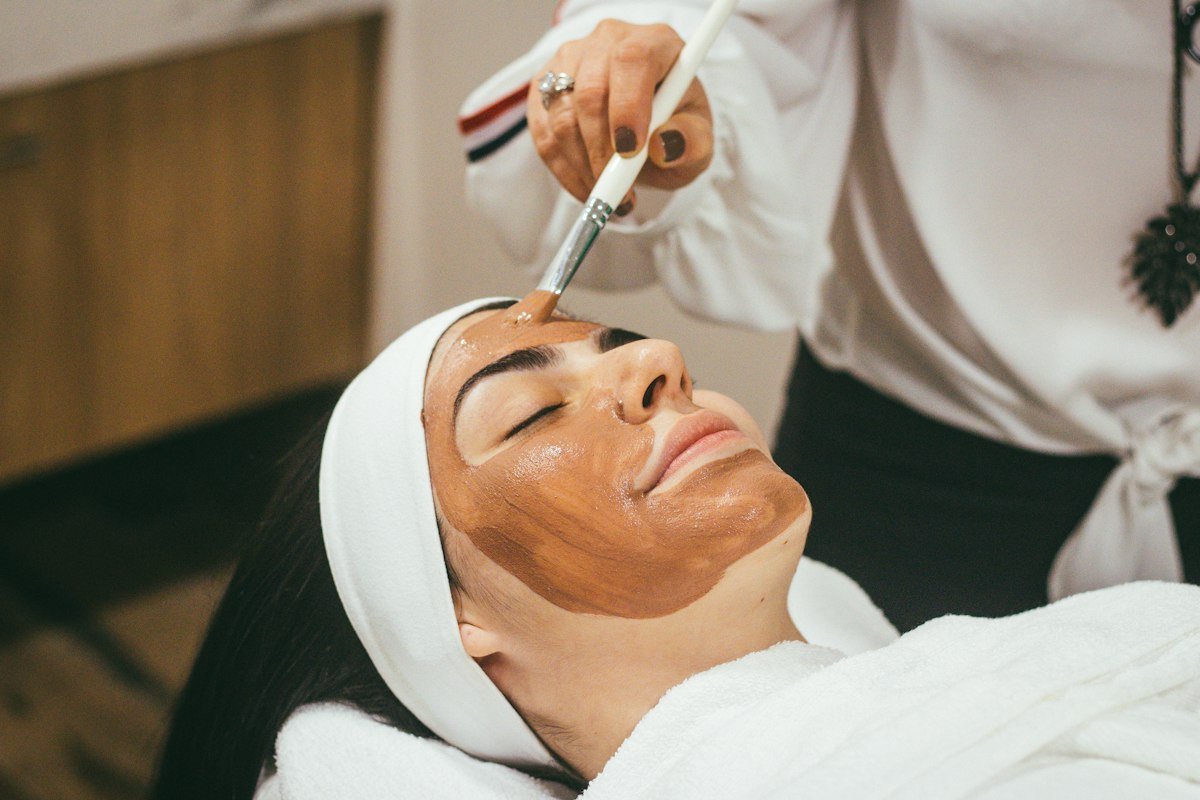
Start Early: A Timeline for Bridal Makeup Skin Prep
The best bridal makeup skin prep happens on a calendar, not in a rush. Skin renews slowly, so a new product or treatment needs weeks to settle. Start 8 to 12 weeks before the wedding and you give your face time to actually change.
Here is a realistic timeline.
- 8 to 12 weeks out. Lock in a simple daily routine: gentle cleanser, hydrating toner, moisturiser and daily sunscreen. This is when you introduce any treatment for marks or texture, so it has time to work.
- 4 to 6 weeks out. Keep going. Do not add anything dramatic. If something irritates your skin, you still have time to recover.
- 2 weeks out. Stop all new products and strong treatments. No experiments now.
- Final week. Hydrate, rest, protect. That is the whole plan.
Why so early? Your skin cells turn over on their own schedule, and dermatology research puts full adult skin renewal closer to 40 to 60 days rather than the "28 days" you often hear. A spot treatment or brightening product needs more than a weekend to show up in your mirror.
If you are starting your very first routine, keep it minimal so you can tell what works. A calm, minimalist Korean skincare routine is a good place to begin without overwhelming your skin before the big day.
One hard rule: no new facial, peel or treatment in the last two weeks. Fresh exfoliation can leave skin red and peeling at the worst possible moment.
Hydration: The Foundation of a Flawless Base
Hydrated skin is plump, bouncy and smooth, and that is the surface makeup clings to best. Dehydrated skin looks dull, feels tight, and grabs foundation unevenly. If you fix one thing before your wedding, make it hydration.
Hydration is not the same as oiliness. Even oily skin can be dehydrated, which is confusing but common. Oil is about sebum on the surface. Hydration is about water inside the skin. You want water in, not grease on top.
Build hydration in thin layers:
- Toner first. A hydrating toner preps the skin to absorb everything after it. If you are new to this step, learning to pat a toner in correctly makes a real difference.
- A light hydrating layer. An essence or serum with humectants draws water into the skin.
- Moisturiser to seal. This locks the water in so it does not evaporate in the heat.
Drink water too, and keep it up in the week before. Skin that is hydrated from the inside holds its glow longer under lights and in photographs.
A night-care habit helps here. Night creams work while you sleep, when skin repairs itself, so a nourishing one in the final weeks leaves you waking up smoother. If your skin runs oily, choose a lighter night cream so you avoid anything too heavy.
Priming: Giving Makeup Something to Hold
Priming is the bridge between skincare and makeup, and it is where a lasting base is won or lost. A primer smooths the surface, fills fine lines and pores, and gives foundation a grippy layer to sit on instead of your bare skin.
But priming starts before the makeup primer. Your final skincare layer is the first "primer" your makeup artist works with.
Here is the order that keeps makeup locked in:
- Hydrate and moisturise, then wait. Give it 5 to 10 minutes to sink in fully.
- Apply sunscreen if it is daytime, and let that absorb too.
- Then primer, a thin even layer, not a thick mask.
- Foundation goes on last, into a smooth, settled base.
The waiting matters more than brides expect. If you pile products on wet, they mix, pill and slide. Patience between layers is free, and it is one of the biggest reasons makeup lasts.
Match your prep to your skin. Oily skin benefits from a mattifying, oil-balancing final layer so foundation does not slip. Dry skin wants extra hydration so foundation does not flake. For Sri Lanka's muggy weather in particular, lightweight and oil-aware formulas win.
Treating Texture Before the Big Day
Smooth texture is the quiet secret of long-lasting bridal makeup. Bumps, flakes, and rough patches show through foundation and give it edges to crack along. The weeks before your wedding are when you gently smooth them out, carefully.
The biggest mistake here is over-exfoliating in a panic. More scrubbing does not equal smoother skin. It usually equals red, raw, flaky skin that makes makeup worse.
The American Academy of Dermatology suggests exfoliating only once or twice a week as a starting point, and gentler for sensitive skin (American Academy of Dermatology, 2016). Stick to that. A gentle exfoliation a couple of times a week over several weeks does far more than one aggressive session the day before.
A simple texture plan:
- Weeks out: gentle exfoliation 1 to 2 times a week, no more.
- Cleanse thoroughly each night so buildup does not sit on your skin. A proper double cleanse clears away sunscreen and daily grime that rough up the surface.
- Treat marks early, not late. If acne scarring or dark spots are your concern, those need the full 8 to 12 week runway to fade.
- Stop exfoliating entirely in the last 5 to 7 days. Let the skin calm and settle.
If breakouts are your worry, resist the urge to pick or try harsh spot treatments right before the day. Calm, consistent care wins. Keep healing skin protected and leave fresh blemishes alone so they do not scar.
Protect Your Glow: Why Sunscreen Is Non-Negotiable
Daily sunscreen is the most underrated step in bridal prep, and in Sri Lanka's sun it is essential. Fresh sunburn, tan lines or new pigmentation in the weeks before your wedding can undo months of brightening work, and no primer hides them.
SPF 30 blocks 97% of the sun's UVB rays, which is why dermatologists treat daily sunscreen as the baseline, not an optional extra (American Academy of Dermatology, current). Use a broad-spectrum SPF every single morning in the lead-up, indoor plans or not, because UV sneaks through windows and on cloudy days.
A few practical notes:
- Apply enough. A thin smear does not give you the protection on the label.
- Reapply if you are outdoors, at an outdoor shoot, or running errands.
- Choose a texture you like, so you actually wear it daily. Lightweight K-beauty formulas sit well under makeup and suit Sri Lanka's heat.
Protecting pigmentation now means your makeup artist works with even, calm skin later. That is half the longevity battle, done weeks in advance.
Avoiding Cakey or Flaky Makeup on the Day
Cakey makeup comes from a surface that is either too dry or overloaded with product. Flaky makeup comes from dry, exfoliated or dehydrated patches lifting. Both are fixable, and both are decided by your prep, not your foundation.
Cakiness builds when layers pile up faster than they absorb. The fix is restraint and patience.
To keep makeup smooth and natural:
- Do not over-moisturise the morning of. A light, well-absorbed layer beats a heavy greasy one that makes foundation slide.
- Let everything settle. Rushed layers are the number one cause of pilling.
- Spot-hydrate dry areas with a touch more moisture, and gently blot oily zones like the nose and forehead.
- Skip heavy oils right before makeup. They can break foundation down over a long, warm day.
If your skin has been over-treated and feels tight or looks flaky, you are likely dealing with a stressed barrier. Calm it before the day, not with more actives. A gentle reset, less product and more hydration, settles it down.
The brides who glow all day are not the ones with the most products. They are the ones whose skin was calm, hydrated and smooth before the brush ever touched it.
Your Morning-Of Skincare Checklist
On the wedding morning, keep skincare light, layered and unhurried. The goal is smooth, hydrated, settled skin, not a brand-new regimen. Everything you do now should support the makeup, not compete with it.
Follow this order and give each step time to absorb:
- Cleanse gently. A mild wash to start with a clean, calm face. Nothing stripping or new.
- Hydrating toner. Pat it in to prep the skin and add the first thin layer of water.
- Serum or essence. A light hydrating layer for that plump, dewy base. Let it sink in.
- Moisturiser. Seal in the hydration. Thin and even, then wait a few minutes.
- Eye cream, if you use one, so the under-eye stays smooth for concealer.
- Sunscreen, especially for any daytime or outdoor moments.
- Pause. Give the whole routine 10 minutes to settle before primer and makeup.
A few morning rules that save the day:
- Do not try anything new. Wedding morning is not the time to test a product.
- Do not pick at any blemish, no matter how tempting.
- Do not skip hydration to "stay matte." Dehydrated skin cracks makeup faster.
- Stay calm. Stress flushes skin. Slow breathing helps your face as much as your nerves.
That pause before makeup is the most important line on this list. Settled skincare is what lets foundation sit, grip and last through every hug, happy tear and dance.
If you want a fuller long-game plan to pair with this morning routine, our 30-day bridal glow prep maps out the weeks before beautifully.
Your Next Step
Pick your wedding date, count back 12 weeks, and start a simple routine this week: cleanse, hydrate, moisturise, and sunscreen every morning. That one small habit, kept up, does more for your bridal glow than anything you buy in the final days.
If you want help choosing gentle, hydration-first products that suit your skin and your climate, browse the bridal glow range at Onlinebeautybar or message the team for a routine built around your skin. Your canvas, prepped early and kept calm, is what makes your makeup, and your photos, last.
Frequently asked questions
How far in advance should I start bridal makeup skin prep?
Start 8 to 12 weeks out. Skin renews itself over several weeks, so a treatment or new product needs time to show results and settle before makeup day.
Should I get a facial right before my wedding?
No. Avoid any new facial, peel or treatment in the final two weeks. Fresh exfoliation or extractions can leave skin red, sensitive and prone to flaking under foundation.
Why does my makeup go cakey even when my skin looks fine?
Cakiness usually comes from dry patches or too many product layers. Hydrate well, let each layer absorb, and keep your morning-of routine light so foundation has a smooth base to sit on.
Do I really need sunscreen if the wedding is indoors?
Yes, in the weeks leading up. Daily SPF prevents fresh pigmentation and sunburn that no primer can hide. SPF 30 blocks 97% of UVB rays, protecting the even tone you worked for.
What should I do the night before the wedding?
Keep it calm. Cleanse, apply your usual moisturiser, and sleep. Do not try new products, pop anything, or over-exfoliate. Rested, hydrated skin photographs best.