Key takeaways
- Combination skin means an oily T-zone (forehead, nose, chin) and normal-to-dry cheeks, so one product for the whole face rarely works.
- A forehead can hold roughly 96 micrograms of sebum per square centimetre while the cheek holds about 38, which is why your zones need different care (Nature Scientific Reports, 2016).
- The Korean approach layers lightweight hydration instead of piling on one heavy cream, which balances oil and dryness at the same time.
- Oily skin can still be dehydrated, so a hydrating toner helps the T-zone as much as the cheeks.
- Start with a five-step routine: cleanse, tone, treat, moisturise, and protect with SPF in the morning.
If your forehead and nose turn shiny by noon while your cheeks feel tight and flaky, you have combination skin, and the fix is to treat each zone differently instead of blanketing your whole face with one product. The Korean approach makes this easy by layering light, hydrating steps that calm oil and feed dryness at the same time.
This guide walks you through why combination skin behaves the way it does, how to match products to each zone, and a simple combination skin routine you can start tonight. No lab coat required, just a few gentle habits.
Why Is Combination Skin So Hard to Please?
Combination skin feels contradictory because your face genuinely produces oil unevenly. In a 2016 study published in Nature Scientific Reports, researchers measured about 96 micrograms of sebum per square centimetre on the forehead compared with roughly 38 on the cheek (Nature Scientific Reports, 2016). That gap is why one product rarely satisfies your whole face.
Think of your face in two parts. The T-zone covers your forehead, nose, and chin, and it carries most of your oil glands. The U-zone, your cheeks and jaw, runs drier and often feels tight.
When you treat the whole face as oily, the cheeks get starved. When you treat it as dry, the T-zone turns greasy. So the goal is balance, zone by zone.
Here is the part people miss: oily skin can still be dehydrated. Shine is about oil, while dehydration is about water. Your T-zone can pump out oil and still lack water underneath, which is exactly the problem Korean layering is built to solve.
What Does "The Korean Way" Actually Mean?
The Korean way means building hydration in thin layers rather than trusting one heavy cream to do everything. Instead of a single rich moisturiser, you apply a watery toner, a lightweight serum, and a gel-cream, letting each sink in before the next. Each layer is light enough for the T-zone yet hydrating enough for the cheeks.
This matters for combination skin because thin layers give you control. You can press an extra layer onto dry areas and skip it on oily ones, all within the same routine.
Korean skincare also leans on gentle, barrier-friendly ingredients over harsh scrubs and high-strength acids. Hydrating heroes like snail mucin and centella do the heavy lifting, soothing the skin while adding water rather than stripping it.
One more habit worth borrowing: patience. Korean routines favour consistency over intensity. You are coaxing your skin into balance, not forcing it.
How Do You Build Zone-Specific Product Strategies?
Zone-specific care means choosing textures by region: lighter where you are oily, richer where you are dry. Because your forehead holds far more sebum than your cheeks, the same cream cannot serve both without letting one zone down. Matching texture to zone is the single most useful habit for combination skin.
Start with these simple pairings:
- T-zone (forehead, nose, chin): water-based, oil-free textures. Think gel moisturisers, light essences, and a mattifying touch only if you need it.
- U-zone (cheeks, jaw): slightly richer textures. A second press of moisturiser, or a hydrating serum, keeps these areas comfortable.
You do not need two full product sets. You need one gentle base routine plus the habit of adding extra moisture only where it is dry.
A practical move is layering by amount, not by product. Spread a thin layer of your gel-cream over the whole face, then dab a little more onto the cheeks. Same jar, two outcomes.
If you are unsure which textures suit you, watch for the warning signs. Persistent breakouts, tightness after cleansing, or sudden flaking often mean a product is fighting your skin rather than helping it.
How Do You Balance Hydration and Oil Control at Once?
You balance both by hydrating everywhere and controlling oil only where it appears. Since dehydration can actually trigger more oil, flooding the skin with lightweight water-based hydration often calms a greasy T-zone instead of worsening it. Strip the skin and it fights back with more shine.
Here is the order that works for most combination skin:
- Hydrate first. A watery toner or essence adds moisture without heaviness. This step suits the T-zone and the cheeks equally.
- Seal lightly. A gel or gel-cream moisturiser locks in that water with a breathable finish.
- Control second, and only locally. If the T-zone still shines by afternoon, a little blotting or a mattifying sunscreen handles it. Resist the urge to use harsh astringents across the whole face.
Avoid the common trap of over-cleansing. Washing repeatedly or using a squeaky, tight-feeling soap removes the oil your cheeks need and signals the T-zone to produce more. A gentle cleanser twice a day is plenty.
Humidity makes this balancing act trickier in Sri Lanka, where sticky air traps sweat and oil on the T-zone. In that climate, the lightest water-based textures stay comfortable longest, while heavy creams can feel suffocating by midday.
What Does a Simple Combination Skin Routine Look Like?
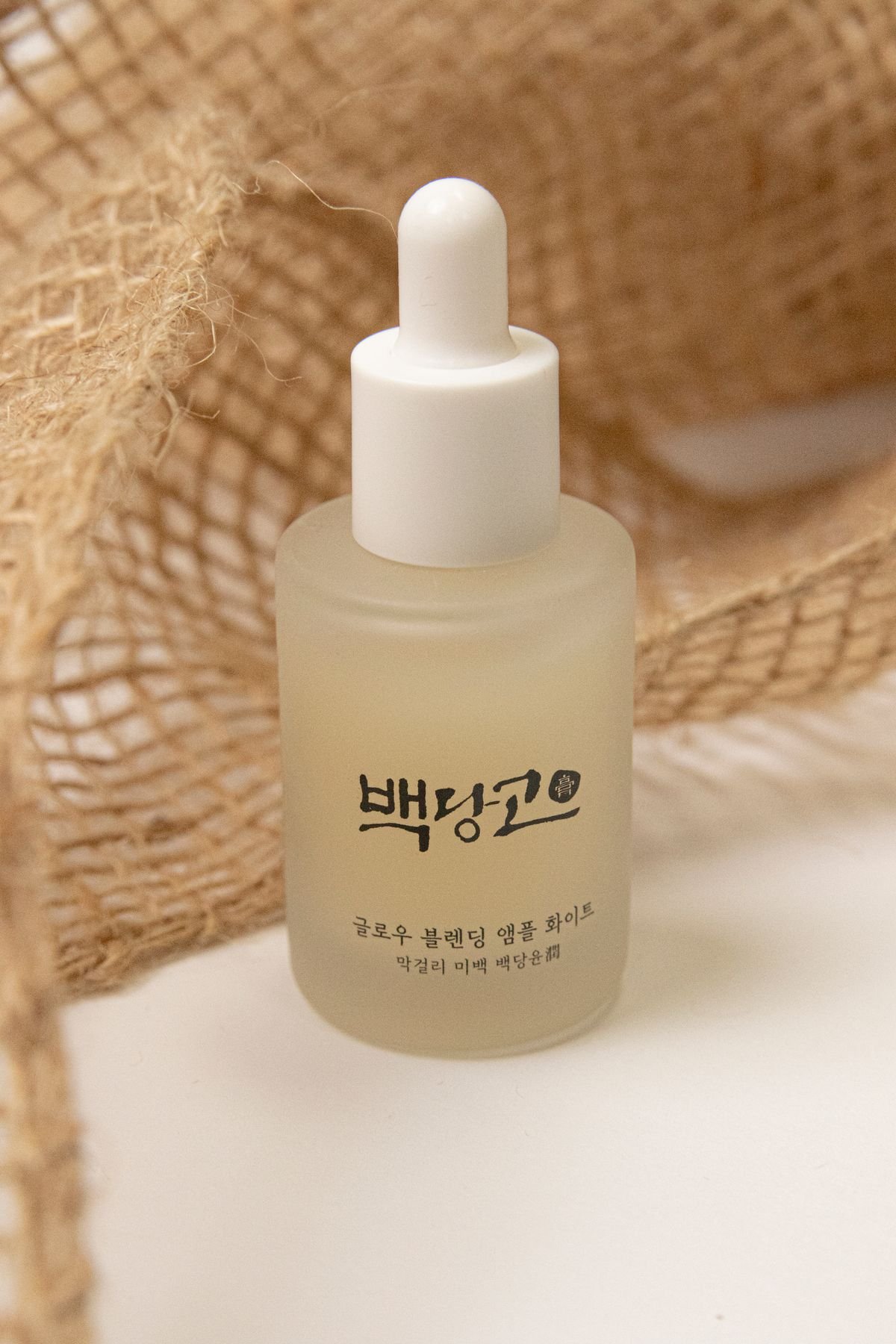
A simple combination skin routine has five morning steps and four at night, all built around light layers. Because your zones differ, the routine stays the same while the amount you apply shifts toward the dry cheeks. Keep it gentle and repeat it daily.
Morning Routine
- Cleanse gently. A mild water-based cleanser or a soft Korean soap removes overnight oil without stripping. If your morning skin feels fairly clean, a quick splash of water is fine on dry days.
- Tone to hydrate. Pat in a hydrating, alcohol-free toner. Press it in with your palms rather than wiping with cotton.
- Treat lightly. One lightweight serum is enough, such as a hydrating or brightening option. Skip the stacking of five actives.
- Moisturise by zone. A gel-cream over the whole face, with an extra press on the cheeks.
- Protect with SPF. Sunscreen is the most important morning step for even tone and texture.
Night Routine
- Double cleanse. Start with an oil-based cleanser to melt sunscreen and grime, then follow with your gentle water-based wash. Our double cleansing guide shows the technique step by step.
- Tone. The same hydrating toner, pressed in.
- Treat. At night you can use a slightly richer treatment on dry areas, or a repairing serum.
- Moisturise. A gel-cream for the T-zone, with a thicker layer or a light night cream on the cheeks.
If your toner step still confuses you, remember the rule: pat, do not wipe, and let it sink in before the next layer. That one habit makes the whole routine click into place.
Change one product at a time. When everything shifts at once, you cannot tell what helped and what triggered a breakout.
How Long Until You See Real Results?
Expect comfort within days and visible balance within a full skin cycle of roughly four to six weeks. Hydration improves quickly because water-based layers soften the surface fast, while oil control and texture take longer because your skin resets its own rhythm gradually. Patience pays here.
Set simple checkpoints so you can track progress honestly:
- Week 1: cheeks feel less tight, T-zone feels less stripped after cleansing.
- Weeks 2 to 3: midday shine eases, flaky patches shrink.
- Weeks 4 to 6: pores look calmer, makeup sits more evenly, skin feels balanced rather than split.
If something stings, turns red, or breaks you out within the first week, pause that product. Reactions in combination skin usually trace back to one harsh ingredient, not the whole routine.
A quick before-and-after habit helps too. Snap a bare-faced photo in the same light every weekend. Memory is unreliable, but photos keep you honest about what is actually changing.
Which Product Picks Won't Overwhelm Combination Skin?
The best picks are a gentle cleanser, a hydrating toner, one light serum, a gel-cream, and a daily SPF, nothing more to start. Combination skin reacts badly to crowded routines because every extra active is another thing that can tip a zone off balance. Fewer, kinder products win.
When you shop, favour these qualities:
- Lightweight, water-based textures that absorb fast and never feel sticky.
- Alcohol-free, fragrance-light formulas that respect your barrier.
- Multi-use basics such as a gel-cream that works across both zones with layering.
Onlinebeautybar stocks Korean-inspired toners, light facewashes, and gel-friendly night creams suited to this kind of balanced, beginner-friendly routine, with island-wide delivery and installment-friendly pricing in LKR. If you prefer to keep things truly simple, our take on minimalist Korean skincare shows how fewer products often give better skin.
Avoid the temptation to buy every trending product at once. A tidy five-step shelf you actually use beats a drawer of half-finished jars.
What Mistakes Make Combination Skin Worse?
The biggest mistakes are over-cleansing, over-exfoliating, and chasing shine with drying products that backfire. Combination skin is sensitive to extremes, so aggressive fixes usually swing it further out of balance. Gentle and steady beats harsh and fast.
Here are the traps to sidestep:
- Scrubbing the T-zone daily. Harsh physical scrubs irritate oil glands and can trigger more sebum. Limit any exfoliation to once or twice a week, and keep it gentle.
- Using toner to "dry out" oil. Old-style astringent toners with high alcohol strip water, not just oil. Your T-zone then overproduces to recover. Hydrating toners work better.
- Treating flakes with more oil. Flaky cheeks usually need water, not a heavy occlusive layer first. Hydrate, then seal.
- Switching everything at once. A new cleanser, serum, and cream on the same night makes breakouts impossible to diagnose. One change at a time.
There is a quieter mistake too: ignoring the barrier. When skin feels both oily and raw, the protective barrier may be compromised. Pause the actives, stick to a gentle cleanser and a simple moisturiser, and let it calm down before adding anything back in.
When the usual advice fails, it is often because the routine is doing too much. Strip it back to the gentle five steps, hold for two weeks, then adjust.
How Do You Adjust for Seasons and Humidity?
You adjust by going lighter in hot, humid months and slightly richer in cool or air-conditioned conditions. Combination skin shifts with the weather because heat boosts oil on the T-zone while dry, conditioned air pulls water from the cheeks. Your routine should flex with it.
In warm, sticky weather, lean into these tweaks:
- Thin out your textures. Swap gel-cream for a lighter gel on the T-zone, and reserve richer layers for the cheeks at night only.
- Prioritise a comfortable SPF. A sweat-friendly, non-greasy sunscreen keeps the T-zone from feeling slick. Lightweight Korean formulas tend to sit well over a gel moisturiser in the heat.
- Blot, do not re-wash. Blotting paper handles midday shine without stripping your barrier. Washing again just restarts the oil cycle.
Air conditioning and travel dry the cheeks faster than you expect. On those days, add a hydrating layer on the U-zone, morning and night, and consider a light sleeping mask on the cheeks only.
Heat also affects your products, not just your skin. Toners and gel-creams can turn watery or lose potency when they sit in a warm room. Storing a few favourites somewhere cool and shaded keeps their texture and active ingredients stable for longer.
Start Tonight With One Gentle Change
Pick one habit from this guide and do it tonight: cleanse gently, press in a hydrating toner, then moisturise your cheeks a touch more than your T-zone. That single zone-aware move is the heart of treating combination skin the Korean way, and it costs you nothing but a few mindful minutes.
When you are ready to build the full routine, browse Onlinebeautybar's toners, light moisturisers, and gentle cleansers and choose one product to swap in this week. Your skin balances fastest when you change it slowly.
Frequently asked questions
What is the best combination skin routine for beginners?
Keep it to five gentle steps: a mild cleanser, a hydrating toner, one lightweight serum, a gel-cream moisturiser, and sunscreen every morning. Add richer care only on dry cheeks. Build up slowly so you can spot what each product does.
Can I use the same moisturiser on my oily T-zone and dry cheeks?
You can, but zone layering works better. Use a thin layer of gel-cream everywhere, then press a second layer only onto dry cheeks. This calms shine on the T-zone while giving the cheeks the extra moisture they need.
Is my oily T-zone a sign I should skip moisturiser?
No. Skipping moisturiser often makes the T-zone produce more oil to compensate. Oily skin can still be dehydrated, so a light, water-based moisturiser helps balance things rather than making you greasier.
Does combination skin need sunscreen every day in Sri Lanka?
Yes. Daily sun exposure worsens pigmentation and uneven texture, both common with combination skin. A lightweight, non-greasy K-beauty SPF sits comfortably over a gel moisturiser and suits humid island weather.
How long before a combination skin routine shows results?
Give a gentle routine four to six weeks. Hydration and comfort improve within days, but oil balance and texture take a full skin cycle to settle. Change one product at a time so you know what is working.