

Key takeaways
- The clearest wrong skincare signs are redness, stinging, tightness, and breakouts that keep spreading instead of settling within a few weeks.
- In 2023, Dermatology Times reported that 44% of cosmetic users experienced negative side effects, so reactions are common, not a personal failing.
- Purging usually appears where you already break out and calms within four to six weeks; irritation shows up in new places and keeps getting worse.
- Patch test every new product on your inner arm for a few days before it touches your face, since the AAD notes more than 15,000 substances can trigger a skin reaction.
- Switch products one at a time with a week or two between them, so you can trace any reaction back to a single culprit.
If your skin stings, stays red, or keeps breaking out after starting something new, those are wrong skincare signs worth taking seriously. Your products should calm your skin over time, not leave it angry every morning.
Here is the reassuring part. Reactions happen to a lot of people. In 2023, Dermatology Times reported that 44% of cosmetic users experienced negative side effects (Dermatology Times, 2023). So if a cream let you down, it is not a personal failing. It is just a mismatch you can fix.
This guide walks you through seven clear signals that a product is working against you, how to tell normal adjustment from real damage, and how to switch things out safely. Let's get into it.
Sign 1: Redness, One of the Clearest Wrong Skincare Signs
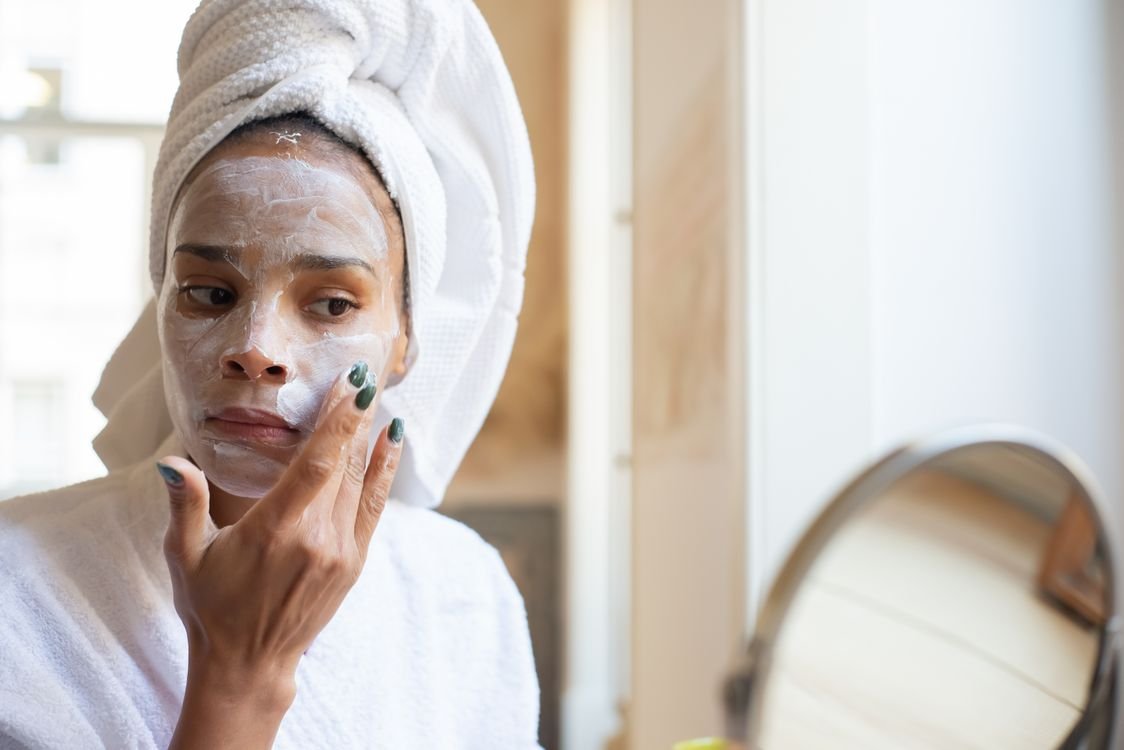
A little flush right after applying something can be normal. Redness that lingers for hours, or shows up every single time you use a product, is one of the most common warning signals your skin can send.
Think of redness as your skin raising its hand. Healthy skin usually calms within a few minutes of a reasonable product. When the flush sticks around, the formula may be too strong for you, or you may be using too much, too often.
Watch the pattern over a week. If the redness builds instead of fading, that is your answer. Pay attention to cheeks and the sides of the nose, where thin skin reacts first.
Humidity makes this trickier here. Heat already brings blood to the surface, so a harsh product can tip mild flushing into real irritation. In our climate, lighter formulas are usually the safer bet when your cheeks stay flushed.
Sign 2: Stinging, Burning, or Tightness After Cleansing
Your skin should feel comfortable after washing, not tight like a drum. Stinging and a squeaky, pulled sensation usually mean a cleanser or toner is stripping your natural oils.
That tight feeling is often mistaken for "clean." It is actually a signal that your skin barrier, the protective top layer that holds moisture in, has been pushed too far. Over time, a stripped barrier leads to more dryness, not less.
A gentle cleanser leaves skin soft and calm. If yours leaves you reaching for moisturizer within seconds just to feel normal, it is likely too harsh. The fix is often as simple as a milder formula or washing once at night instead of scrubbing morning and evening.
A quick test: press a clean tissue to your cheek a minute after washing. Tightness that will not ease without product is your cue to switch to something milder.
Sign 3: Breakouts That Keep Spreading
A few small bumps when you start an active ingredient can be part of adjustment. Breakouts that spread into new areas, or keep multiplying week after week, point to the wrong product for your skin.
Acne is the most common complaint tied to cosmetics. The same 2023 Dermatology Times report linked in the introduction found acne affected about 15.25% of women in the study, making it the top side effect tied to product use. Rich creams and heavy oils can clog pores, even ones that worked beautifully for a friend.
Here is a simple rule. If spots cluster where you normally break out and calm down within a few weeks, that may be purging, covered next. If they appear in fresh zones and keep growing, treat it as a product problem.
Sign 4: When Purging Crosses Into Irritation
Purging and irritation feel similar in the mirror, but they are very different under the surface. Purging is temporary turnover from an active ingredient. Irritation is your skin telling you to stop.
Purging usually happens with retinoids or exfoliating acids that speed up how fast skin cells shed. Clogs that were already forming surface faster. It shows up in your usual breakout zones and eases within four to six weeks.
Irritation behaves differently. Here is how to tell them apart:
- Location. Purging stays in familiar areas. Irritation often appears in new spots that never break out.
- Timeline. Purging improves within four to six weeks. Irritation keeps getting worse the longer you use the product.
- Feel. Purging looks like your normal breakouts. Irritation brings stinging, raw patches, flaking, or persistent redness.
- Trigger. Purging links to actives that increase turnover. Plain moisturizers and cleansers should never cause purging, so a reaction to those is irritation.
If you are unsure after a month, side with caution and pause the product. Four to six weeks is the ceiling for purging, not a suggestion to wait out real damage.
Sign 5: Flaking, Peeling, and a Damaged Barrier
Rough, flaky patches that were not there before are a loud signal that a product is too harsh. When your skin barrier breaks down, water escapes and irritants get in, so skin feels dry and sensitive at the same time.
Over-exfoliation is a frequent cause. Using an acid toner, a scrub, and an active serum together can quietly wreck your barrier within days. More is not better with strong ingredients.
You may notice that products which never bothered you suddenly sting. That is a classic sign of a compromised barrier, not a new allergy. The answer is to simplify: drop the actives, lean on a plain moisturizer, and give your skin a week or two to recover.
Sensitive skin is far more common than most people assume, with surveys across many countries suggesting a majority of adults describe their skin as sensitive to some degree. So if your barrier feels fragile, you are in good company, and gentler choices will serve you better.
Sign 6: Signs a Product Is Simply Too Harsh for You
Some products are not "bad," they are just wrong for your face right now. Knowing the hallmarks of an overly harsh formula saves you weeks of trial and error.
Reactions to skincare are not rare. The American Academy of Dermatology notes that more than 15,000 substances can cause an allergic skin reaction, from fragrances to preservatives. With that many possible triggers, the occasional mismatch is almost expected.
Common red flags of a too-harsh product:
- High percentages of actives marketed as "extra strength" when you are still a beginner.
- Several strong ingredients layered at once, like acids plus retinol plus vitamin C.
- A heavy fragrance that lingers, since added scent is a frequent irritant.
- Instructions that tell you to use a potent product twice a day from the very first use.
Ingredient lists feel like a foreign language at first. Learning to scan the first five ingredients, where the highest concentrations sit, tells you quickly whether a formula is gentle or loaded with actives.
Serious reactions deserve a doctor, not a wait-and-see. The AAD warns that swelling, nausea, vomiting, or difficulty breathing after a product needs immediate medical care. Those symptoms are rare, but worth knowing.
Sign 7: Your Skin Was Better Before You Started
Sometimes the loudest sign is the simplest. If your skin looked and felt better before a new product entered your routine, trust that.
It is easy to keep pushing through, hoping a product will "start working." But skincare should move you forward. A toner, cream, or soap that leaves you worse off after a fair trial of several weeks has already answered the question.
Keep a quick note on your phone when you start something new. Jot down how your skin feels after three days, one week, and one month. Patterns are hard to see day to day and obvious when written down. This tiny habit turns guesswork into clear decisions.
Picking the right product from the start helps too. If oily or combination skin is your concern, lean toward lighter, non-greasy formulas that are less likely to clog pores and backfire.
How to Patch Test a New Product Properly
A patch test is the single easiest way to avoid a full-face reaction, and almost nobody does it. The idea is to introduce a product to a small, low-stakes patch of skin before it ever touches your face.
Here is a simple routine that works:
- Choose a quiet spot. The inner forearm or behind the ear works well. Skin there is thin enough to react but easy to hide.
- Apply a small amount. Use the product as directed, once or twice a day.
- Wait at least three to five days. Reactions are not always instant. Allergic responses can take a day or two to appear.
- Watch for warning signs. Redness, itching, bumps, or a burning feeling mean skip it. Calm skin means you are likely clear to try it on your face.
Patch testing matters because triggers are everywhere. Expanded testing by dermatologists finds about 80% of the allergens behind a reaction (American Academy of Dermatology, accessed 2026). You cannot test like a clinic at home, but a few days on your arm catches most obvious problems.
One more tip. Test the actives, the products with retinol, acids, or strong whitening agents, most carefully. Gentle cleansers rarely cause trouble, while potent treatments are where reactions usually start.
How to Switch Products the Safe Way
The fastest way to confuse your skin is to change five products at once. When something reacts, you will have no idea which one did it. Slow and single-file is the smart approach.
Follow these steps when swapping anything new in:
- Change one product at a time. Keep the rest of your routine steady so you have a fair comparison.
- Leave a week or two between additions. This gives your skin time to show its real response before you stack on something else.
- Introduce actives gradually. Start strong ingredients two or three nights a week, then build up as your skin tolerates them.
- If something reacts, stop just that product. Return to your calm, basic routine for a week before trying anything else.
When your barrier feels rough after a bad reaction, go back to basics for a while: a gentle cleanser, a simple moisturizer, and sunscreen by day. Think of it as letting the ground settle before you plant again.
Beginners often feel pressure to own ten products at once. You really do not need them. Our roundup of 5 affordable K-beauty products every beginner needs keeps things simple, which also makes reactions easier to trace.
At Onlinebeautybar, our Magical, Luxury, and Bridal Glow ranges are built around gentle, Korean-inspired formulas, and our customer reviews are full of honest notes on how each product feels on real skin. That feedback is a handy sanity check before you buy.
Reading the Signs and Moving Forward
Your skin is always talking. Redness that lingers, tightness after washing, breakouts in new places, and flaking are all ways it tells you a product is wrong for you right now. The skill is simply learning to listen before things escalate.
Your next step is small and practical. Pick the one product you suspect most, pause it for two weeks, and write down what changes. If your skin calms, you have your answer. If you want a gentle, barrier-friendly place to restart, browse the beginner-friendly sets at Onlinebeautybar and check the reviews before you add anything to your routine.
Frequently asked questions
How do I know if a skincare product is bad for my skin?
Watch for redness, stinging, tightness, itching, or breakouts in new areas that keep getting worse instead of settling. If the reaction grows after a week or two of use, stop the product. Any swelling or trouble breathing needs immediate medical care.
Is skin purging normal when starting a new product?
Purging can be normal with active ingredients like retinoids or exfoliating acids that speed up skin turnover. It shows up where you usually break out and eases within four to six weeks. Reactions in new spots that worsen are irritation, not purging.
How long should I patch test a new skincare product?
Apply a small amount to your inner forearm once or twice a day for at least three to five days. The American Academy of Dermatology notes that more than 15,000 substances can trigger a reaction, so this short wait is worth it before using anything on your face.
Can the wrong skincare cause acne?
Yes. A 2023 Dermatology Times report found acne was the most common cosmetic side effect, affecting about 15.25% of women in the study. Heavy or pore-clogging products can trigger breakouts even if a product worked well for someone else.