
Key takeaways
- A complete beginner K-beauty routine needs just five products: cleanser, toner, serum, moisturizer, and sunscreen.
- Apply products thinnest to thickest so each layer absorbs, following the Cleveland Clinic order of cleanser, then moisturizer, then sunscreen.
- Sunscreen is the step that protects every other step; SPF 30 blocks 97% of the sun's UVB rays, per the American Academy of Dermatology.
- You do not need the full kit on day one. Start with a cleanser and sunscreen, then add one product at a time.
You need five products to start a Korean skincare routine, and none of them have to be expensive. Affordable Korean skincare comes down to a cleanser, a toner, a serum, a moisturizer, and a sunscreen, used in that order. Get those five right and you have a routine that most people never outgrow.
K-beauty has a reputation for 10-step rituals and shelves full of bottles. That scares off beginners and empties wallets for no good reason. The truth is simpler and kinder to your budget. Below, you will learn exactly which five products matter, what each one does, and how to buy them without spending more than you need to.
Let's start with the shortlist, then build it out step by step.
What does an affordable Korean skincare starter kit include?
Five products: a cleanser, a toner, a serum, a moisturizer, and a sunscreen. That is the whole starter kit. Everything else in K-beauty, from essences to sheet masks, is an add-on you can skip while you are learning what your skin likes.
Here is the shortlist in the order you use it:
- Cleanser: washes away dirt, oil, and the day
- Toner: rebalances and preps skin to absorb what comes next
- Serum: targets one concern, like acne marks or dullness
- Moisturizer: seals in hydration and protects the skin barrier
- Sunscreen: shields everything you just applied (morning only)
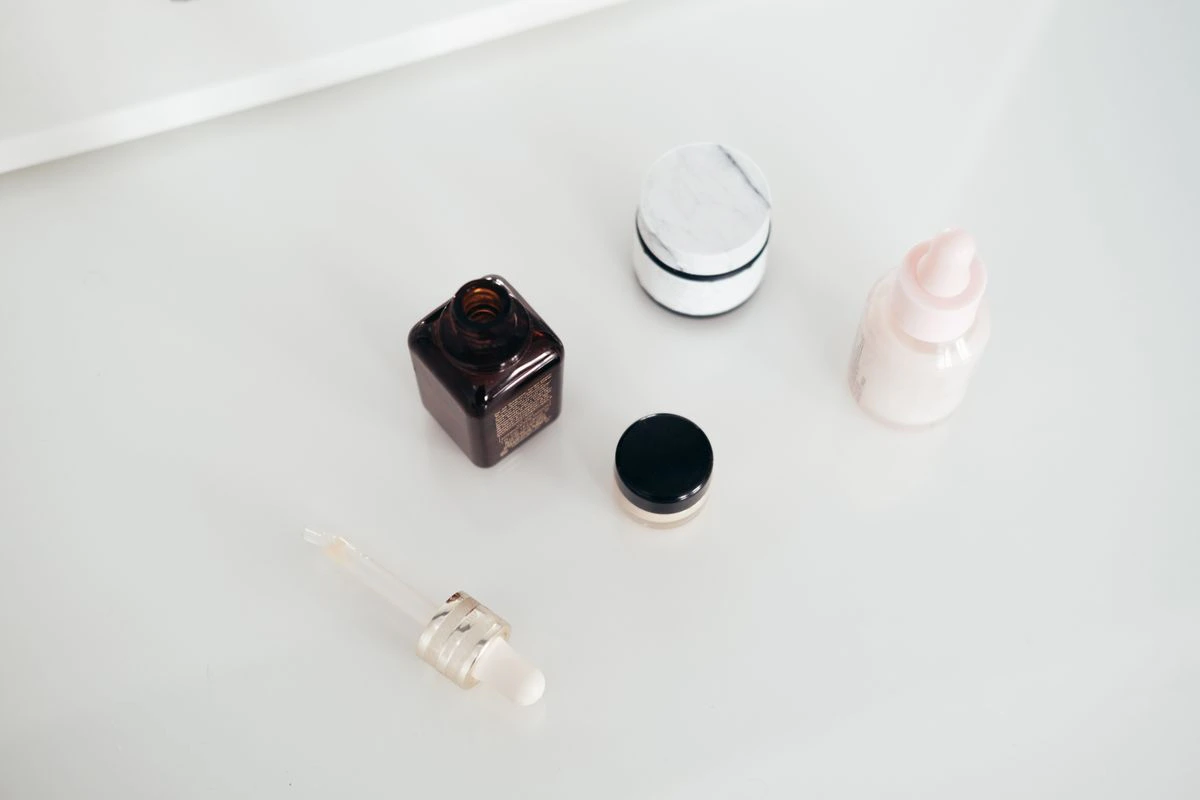
Notice what is not on the list. No eye cream, no overnight mask, no 24k gold set. Those are lovely, and you can reach for them later. For now, five products do the job.
K-beauty is not a niche hobby anymore, which is part of why beginner-friendly products are easier to find and cheaper than they used to be. Market researchers expect the global K-beauty category to keep growing steadily through 2026. More demand means more affordable options competing for your attention.
One habit will save you money and regret: read the label before you buy. Knowing a few key ingredients stops you from paying extra for a fancy name. If labels feel like a foreign language right now, our guide on how to read Korean skincare ingredient labels breaks them down in plain English.
Why do cleanser and toner form the foundation?
Because clean, balanced skin is what every other product sits on top of. A cleanser removes the oil, sunscreen, and grime that build up through the day. A toner follows to rebalance your skin and prep it so the next steps absorb better. Skip these and your serum and moisturizer have less to work with.
Think of it like painting a wall. You wash and prime first, or the paint never sticks right.
Choosing a beginner cleanser
Pick a gentle one. If your skin feels tight or squeaky after washing, that cleanser is too harsh. For oily or acne-prone skin, a foaming face wash cuts through excess oil. For dry or sensitive skin, a cream or gel cleanser keeps things calm. A whitening or kojic facewash can help with pigmentation over time, but gentleness still comes first.
Wash twice a day, morning and night. At night, a proper cleanse matters most because it clears away sunscreen and the day's buildup.
Why bother with a toner
A good toner does more than most beginners expect. It wipes away any leftover residue, restores your skin's natural pH, and lightly hydrates. A polishing toner can also smooth texture over a few weeks of steady use. You apply it on damp skin with your hands or a cotton pad, right after cleansing.
Toners are often the step people drop first to save money, and that is a fair call when funds are tight. But a basic one is usually inexpensive and makes the rest of your routine work harder. When you shop, compare a few options at your price point rather than grabbing the first bottle you see.
A quick reassurance for first-timers: you do not need a separate toner for morning and night. One bottle covers both. That keeps your shelf, and your spending, simple.
How do a serum and moisturizer work together?
A serum delivers concentrated active ingredients to a specific concern, and a moisturizer locks all of it in. The serum is your targeted treatment. The moisturizer is the seal that keeps skin hydrated and the barrier intact. You apply serum first because it is thinner, then moisturizer because it is thicker.
This is where the order rule earns its keep: thinnest to thickest, so each layer sinks in before the next goes on.
Picking a serum for your concern
Match the serum to the one thing you most want to fix. Trying to solve everything at once is how beginners waste money.
- Acne marks and scarring: look for a brightening serum; pair it with a dedicated acne-marks cream if the spots are stubborn
- Dullness and pigmentation: a vitamin C or brightening serum helps even out tone
- Dryness: a hyaluronic acid serum pulls water into the skin
- General glow: a lightweight brightening serum works for most skin types
Pick one serum to start. You can rotate in a second once you see how your skin responds to the first.
Choosing a moisturizer
Go by skin type, not by marketing. Oily skin does well with a light gel moisturizer. Dry skin wants a richer cream, especially at night. A night cream is usually heavier than a day cream because skin repairs itself while you sleep and can take the extra nourishment.
If you are unsure when to use which, our guide on night cream versus day cream explains the difference and when each one earns its place in your routine.
Both oily and dry skin need a moisturizer. Skipping it because your skin feels greasy often backfires, as stripped skin produces more oil to compensate.
Why does sunscreen finish every routine?
Because sunscreen protects everything you just applied, and skipping it undoes the work. It is the single most important step for preventing pigmentation, dark spots, and premature aging. Apply it every morning as the last step, over your moisturizer, rain or shine.
The numbers make the case plainly. SPF 30 blocks 97% of the sun's UVB rays (American Academy of Dermatology). That one step does more to prevent new dark spots than any brightening serum can reverse. Protection beats correction every time.
Two facts beginners underestimate: most of the sun's UV rays still pass through clouds, so a grey day is not a day off, and dermatologists treat daily sunscreen as non-negotiable because skin cancer is so common. The American Academy of Dermatology makes both points on the same page cited above.
In Sri Lanka's climate, this matters even more. Strong sun year-round means daily SPF is the cheapest anti-aging and anti-pigmentation insurance you can buy. If pigmentation is your main worry, a brightening serum works at night and sunscreen defends the result all day. The two are a team.
One practical tip: use enough. A thin smear does not give you the protection on the label. Aim for about a coin-sized amount for your face and reapply if you are outdoors for hours.
What order do you apply affordable Korean skincare?
Thinnest to thickest. The sequence is cleanser, toner, serum, moisturizer, then sunscreen in the morning. At night you stop after moisturizer, since you do not need sun protection while you sleep. Dermatologists at the Cleveland Clinic describe the same principle: at a minimum, apply cleanser, then moisturizer, then sunscreen, with lighter products going on before heavier ones so each absorbs properly.
Here is how the two routines look side by side:
Morning:
- Cleanser
- Toner
- Serum
- Moisturizer
- Sunscreen
Night:
- Cleanser
- Toner
- Serum
- Moisturizer (a richer night cream, if you have one)
Wait a few seconds between layers so each product settles. You do not need to time it with a stopwatch. A quick pause while you brush your hair is plenty.
Once this five-step rhythm feels automatic, you can experiment with the fuller K-beauty approach and add steps like an essence or a weekly mask without turning your evening into a chore.
How do you build your collection over time?
Add one product at a time, starting with the two that matter most. You do not need all five on day one. Buy a cleanser and a sunscreen first, since cleaning and protection cover the essentials. Add a moisturizer next, then a toner and a serum as your budget allows. This staged approach keeps spending light and lets you learn what each product actually does for your skin.
A sensible order for building up:
- Week one: cleanser plus sunscreen
- Weeks two to three: add a moisturizer
- Month two: add a toner
- Month three: add a serum for your main concern
This pace has a hidden benefit. Introducing one product at a time means that if your skin reacts, you know exactly which product caused it. Pile on five new things at once and you are left guessing.
Combo packs and bundles are worth a look here, because they often cost less than buying each item separately. Onlinebeautybar groups products into Magical, Luxury, and Bridal Glow sets built around common concerns like acne, pigmentation, and dry skin, and installment-friendly pricing in LKR makes it easier to spread the cost. Just make sure a bundle actually matches your skin type before you buy, rather than grabbing it only for the discount.
If you are prepping for a wedding, the timeline changes and the stakes feel higher. A dedicated countdown plan helps you build a routine that peaks on the right day, so start earlier and introduce new products well before the event.
As your skin changes with the seasons or with age, your five products can change with it. Swap a light moisturizer for a richer one in a dry spell. Trade a basic serum for a stronger one once your skin is used to actives. The framework stays the same; only the specifics shift.
Beginner mistakes that cost money
A few habits waste cash and slow your progress. Avoiding them is cheaper than fixing them later.
- Buying for someone else's skin. A product that gave your friend glowing results may break you out. Shop for your own skin type and concern.
- Switching too fast. Give each new product four to six weeks before you judge it. Skin renews on its own schedule, and real change takes time.
- Chasing trends over basics. A viral essence will not outperform daily sunscreen. Spend on the essentials first.
- Skipping the patch test. Before a new product goes on your face, dab a little on your inner arm or behind your ear and wait a day. It is a two-minute step that spares you a painful reaction.
Starting your affordable Korean skincare routine today
Pick up a gentle cleanser and a daily sunscreen this week, and you have already started. Those two habits protect your skin more than any single pricey product could, and they cost very little. Add a moisturizer when you can, then a toner and a serum as you go.
The goal is not a crowded shelf. It is a routine you actually follow every day, chosen to fit your skin and your budget. Begin with the two essentials, build slowly, and let consistency do the heavy lifting.
When you are ready to start, browse Onlinebeautybar's beginner-friendly cleansers and sunscreens, or a combo pack matched to your skin concern, and take that first small step with confidence.
Frequently asked questions
What is the cheapest way to start a Korean skincare routine?
Begin with two products: a gentle cleanser and a daytime sunscreen. Those two cover cleaning and protection, the parts that matter most. Add a toner, serum, and moisturizer one at a time as your budget allows.
In what order do I apply affordable Korean skincare products?
Apply from thinnest to thickest: cleanser, then toner, then serum, then moisturizer, then sunscreen in the morning. The Cleveland Clinic confirms cleanser, moisturizer, and sunscreen as the minimum order.
Do beginners really need both a toner and a serum?
Not on day one. A cleanser, moisturizer, and sunscreen form a working routine by themselves. Add a toner to prep skin and a serum to target a specific concern once the basics are a daily habit.
Is affordable Korean skincare as effective as expensive brands?
Price does not decide results; ingredients and consistency do. A low-cost routine used every day beats a premium one used occasionally. Match products to your skin concern and give them several weeks to show change.