Key takeaways
- Ingredients are listed from most to least by weight, but anything under 1% can appear in any order, so the back half of the list tells you little about exact amounts.
- Snail mucin, centella and niacinamide are the three Korean hero actives worth learning to recognise on a label.
- Fragrance and essential oils sit near the bottom of the list but cause a large share of skincare reactions, so sensitive skin should scan for them first.
- Mercury in some whitening products can reach thousands of times the legal limit, which is why counterfeit checks matter more than price.
The quickest way to judge a Korean skincare product is to flip it over and read the back. The ingredient list tells you what you are actually paying for, whether the hero active is present in a real amount, and whether anything on there is likely to upset your skin. Once you know how korean skincare ingredients are listed, the marketing on the front stops mattering as much.
Most of us buy on the promise: "glass skin," "brightening," "bridal glow." The label is where that promise gets tested. This guide walks you through reading one line by line, from the Latin-sounding names to the order they appear in, so you can shop with more confidence and fewer regrets.
Let's start with the part that confuses almost everyone.
Decoding Common Korean Skincare Ingredients and Their Names
Open any Korean product and you will see two kinds of names fighting for space. The front of the pack speaks marketing: "snail essence," "rice toner," "cica cream." The back of the pack speaks a standardised language called INCI, short for the International Nomenclature of Cosmetic Ingredients. INCI is the system brands use worldwide so that the same ingredient has the same name no matter where the product is sold.
That mismatch is why a "snail cream" lists "Snail Secretion Filtrate," and a "green tea toner" lists "Camellia Sinensis Leaf Extract." They are the same thing, just written in two dialects.
Here are a few translations worth memorising:
- Aqua means water. It is first on almost every list.
- Snail Secretion Filtrate is snail mucin.
- Centella Asiatica Extract is cica, also called tiger grass.
- Niacinamide is a form of vitamin B3.
- Camellia Sinensis is green tea.
- Butylene Glycol and Glycerin are common humectants that pull water into the skin.
- Sodium Hyaluronate is the salt form of hyaluronic acid, often more stable in a formula.
Korean labels sold internationally usually print both Korean (Hangul) and English or INCI names. If a product aimed at an English-speaking market shows only Hangul with no INCI equivalent anywhere on the pack, treat that as a question mark rather than a selling point. A legitimate export product almost always carries a readable ingredient list.
One more habit: look for the parent plant or source, not just the trendy word. "Rice" might appear as Oryza Sativa. "Honey" might appear as Mel. When you can trace the marketing claim back to a real line on the ingredient list, you know the product is built around that ingredient rather than just borrowing its name.
How Ingredient Order Actually Works
This is the single most useful rule to learn, and almost no one explains it on the front of the box.
Ingredients are listed in descending order by weight. Whatever is first makes up the largest share of the formula, and each name after it is present in a smaller amount than the one before. That is why water, glycerin and a humectant or two usually crowd the top.
There is a catch, and it changes how you read the whole list. Under cosmetic labelling rules, ingredients present at less than one percent can be listed in any order once you pass the one percent mark. The official EU cosmetics regulation puts it plainly: the list runs in descending order of weight, and ingredients in concentrations of less than one percent may be listed in any order after those above one percent.
So the list has two zones. The top zone, usually the first handful of ingredients, is in true order and tells you what the product is mostly made of. The bottom zone is a jumble where a brand can place a heavily marketed active next to preservatives and fragrance, in any sequence it likes.
That matters for a practical reason. If a "niacinamide brightening serum" lists niacinamide near the very end, alongside fragrance and preservatives, the active is probably sitting below one percent. It may still do something, but you are not getting a treatment-strength dose. When an active is meant to be the star, you want to see it in the upper half of the list, not buried at the bottom.
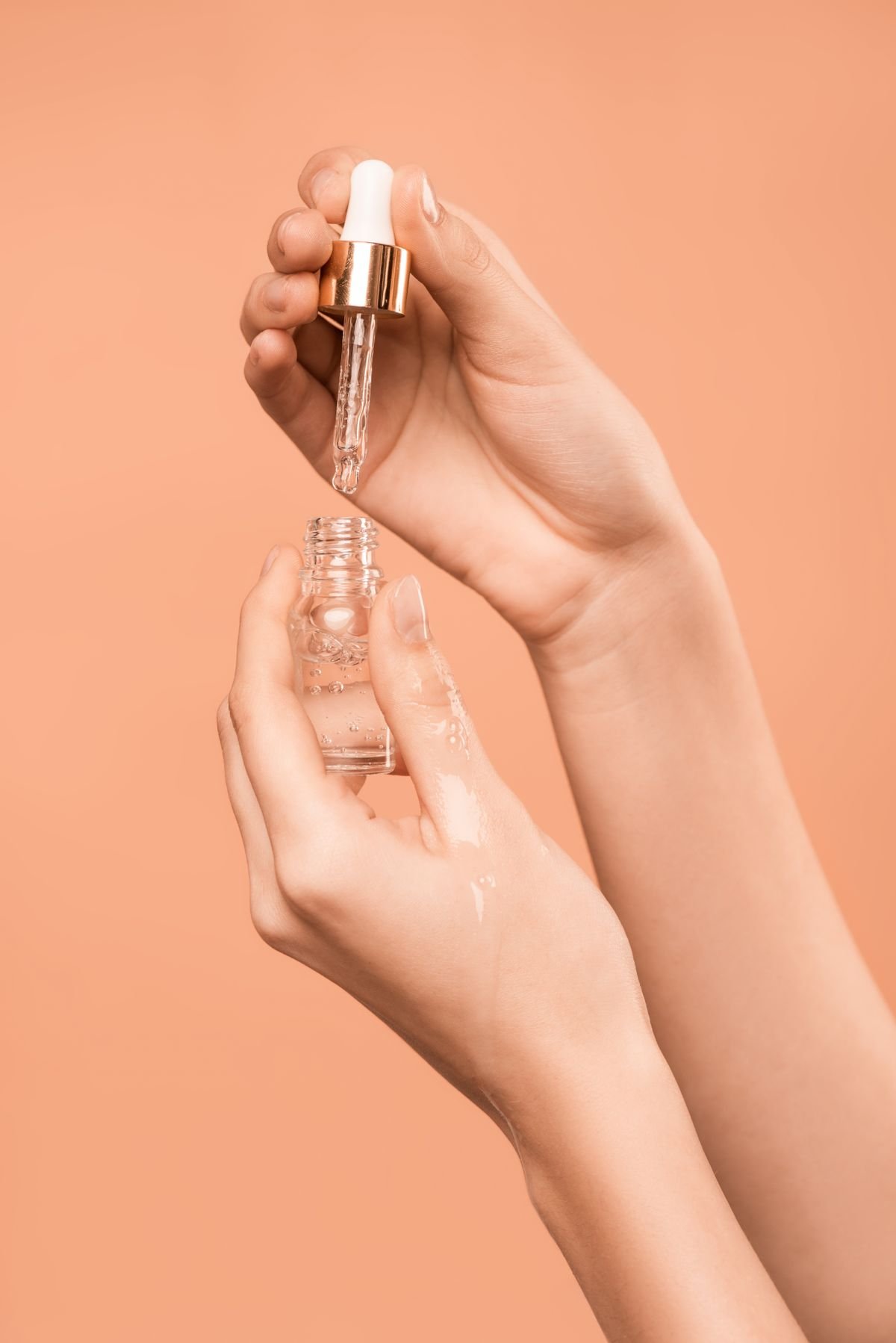
A quick way to sanity-check any product: read the first five ingredients and the last five. The first five tell you the base. The last five often reveal the preservatives, fragrance and the "fairy dusting," which is industry slang for adding a tiny, mostly decorative amount of a trendy ingredient.
Hero Ingredient One: Snail Mucin
Snail mucin, listed as Snail Secretion Filtrate, is the ingredient that put Korean skincare on the map for a lot of people. On a label it often appears right at the top, sometimes even before water, which is a good sign that the product is genuinely built around it.
What it is: the filtered secretion snails produce to protect and repair their own bodies. In skincare it is prized for hydration, a smoother texture and a plumped, "bouncy" finish. A literature review on snail secretion notes it carries a mix of helpful components including allantoin, glycolic acid, antioxidant enzymes and glycosaminoglycans, the water-binding molecules your skin uses to stay supple.
Who it suits: most skin types, especially dry, dull or stressed skin that needs repair without heaviness. It layers well under a night cream, which is where a lot of repair happens, so it fits naturally into an evening routine.
A word of honesty: the research on snail mucin is promising but still made up of small studies, and some test it alongside other actives. Treat it as a reliable hydrator and texture-smoother rather than a miracle. On a label, the thing to check is simply where it sits. High up means a real amount. Near the bottom means a sprinkle.
Hero Ingredient Two: Centella Asiatica (Cica)
If your skin runs red, reactive or acne-prone, centella asiatica is the name to hunt for. You will see it written as Centella Asiatica Extract, or by its active compounds: asiaticoside, madecassoside, asiatic acid and madecassic acid. Products often shorten the whole thing to "cica."
What it does: centella is a calming, barrier-supporting ingredient. Research on its active compounds points to a role in soothing irritation and supporting the skin's repair process, which is why cica creams are a go-to after a breakout, a sunburn or an over-enthusiastic exfoliation session.
Who it suits: sensitive, irritated and blemish-prone skin. It pairs beautifully with actives that can sting, because it takes the edge off. If you are using a strong brightening or acne product, a cica layer can be the difference between a routine your skin tolerates and one it rebels against.
On the label, the same logic applies. Cica high on the list usually means a dedicated soothing product. Cica low on the list in a product whose main selling point is something else means it is a supporting note, not the headline.
Hero Ingredient Three: Niacinamide
Niacinamide, a form of vitamin B3, is the quiet workhorse of Korean skincare. It shows up in toners, serums, creams and even some whitening soaps, and it does a lot for a single ingredient: it supports the skin barrier, helps regulate oil, and is widely used to fade the dark marks left behind by acne and sun exposure.
For anyone dealing with acne scars or uneven tone, this is the ingredient to learn. It works differently from harsher brighteners. Rather than forcing pigment out, it helps slow the transfer of pigment to the surface of the skin, which over weeks can soften the look of marks and patchiness.
Concentration is where niacinamide gets interesting. The versions studied most for brightening and acne marks tend to sit in the low-single-digit to mid-single-digit percentage range, and pushing the concentration much higher does not reliably buy you better results. It can, however, make sensitive skin flush. So a product advertising a very high niacinamide percentage is not automatically better, and may be more likely to tingle.
On the label, niacinamide in the upper half of a serum's list is a green light. If you are trying to fade acne marks specifically, pair a niacinamide product with daily sunscreen, because unprotected sun undoes the progress faster than any serum can make it.
Ingredients to Approach With Caution on Sensitive Skin
Reading a label is not only about finding the good stuff. It is also about spotting the handful of ingredients most likely to cause trouble if your skin is reactive.
Start with fragrance. On a label it appears as Parfum or Fragrance, and sometimes as a string of individual aroma chemicals like linalool, limonene or citronellol. Fragrance usually sits low on the list because very little is needed, but its position belies its impact. Fragrance is one of the most common triggers of skincare reactions. In one large analysis of patch-tested patients, fragrance and botanical-related allergens were linked to reactions in 22.7% of those tested. For calm skin that is no reason to panic, but for reactive skin it is a reason to scan for it first.
Essential oils deserve a similar second look. Marketed as "natural," they are still potent aroma compounds, and tea tree, lavender and citrus oils are frequent irritants for sensitive skin. "Natural" and "gentle" are not the same thing.
Then there is alcohol. Not all alcohols are drying. The fatty alcohols (cetyl, stearyl, cetearyl) are actually moisturising. The one to watch is Alcohol Denat or SD Alcohol high on the list, which can leave dry or sensitive skin tight and stripped. Low down, it is usually just a texture helper and nothing to fear.
Finally, strong acids and high-strength actives. Low pH exfoliating acids, strong retinoids and very high vitamin C percentages can all be excellent, but they are not beginner-friendly all at once. If you are new to a concern, introduce one active at a time so that when something reacts, you know exactly which product to blame.
If your skin is dry or easily upset, the safest path is a short, gentle routine built on hydration and barrier support, adding one treatment active at a time. Our complete K-beauty guide for Sri Lanka walks through building that kind of routine step by step.
Matching Concentration to Where a Product Sits in Your Routine
Once you can read order and spot actives, the next skill is thinking about concentration in the context of your whole routine, not one product in isolation.
A toner is mostly water and humectants by design, so you would not expect a treatment-strength active in it. A serum is where the concentrated actives belong, which is why the order of ingredients in a serum tells you the most. A moisturiser's job is to seal everything in, so its hero ingredient is often an emollient rather than a brightener.
This changes how you judge a label. Finding niacinamide low on a toner's list is normal and fine. Finding it low on a serum that is sold specifically as a brightening serum is disappointing, because that is the product meant to deliver the dose.
Layering order follows the same logic. The general rule is thinnest to thickest: watery toners and essences first, serums next, then creams, then anything occlusive to lock it in. Applying a rich cream before a watery serum blocks the serum from reaching your skin, so the sequence you apply products in matters as much as the products themselves.
One practical tip for combo packs and sets, which are popular in Korean-inspired ranges: read every label in the set, not just the one you were most excited about. A good set is designed so the products do different jobs rather than repeat the same active four times.
Spotting Counterfeit and Unsafe Products
The last thing a label can do is protect you from a fake, and in the whitening and brightening category this is not a small concern. Counterfeit skincare is not just a waste of money. Some of it is genuinely unsafe.
The clearest danger is mercury, which is sometimes added illegally to skin-whitening products because it suppresses pigment fast. International standards cap mercury in cosmetics at an extremely low level, yet one 2025 peer-reviewed study of skin-lightening products bought from Asian e-commerce platforms found that over 58% exceeded permissible mercury limits, with some products reaching tens of thousands of times the cap. Mercury can damage the kidneys and nervous system, which is exactly why a trustworthy brand and a readable label matter more than a bargain price.
You do not need a lab to protect yourself. The label and packaging give you most of what you need:
- A full ingredient list. Genuine products print one. A whitening product with no ingredient list, or a vague one, is a hard no.
- A batch code and manufacturing or expiry date. These should be printed clearly, often stamped rather than part of the printed artwork.
- Correct spelling and clean print. Counterfeits often have blurry text, odd fonts, misspelt ingredient names or a crooked label.
- Intact seals and packaging. Shrink wrap, inner foil seals and a box that matches the official product.
- A believable price. If a product that normally sells for a certain price appears at a fraction of it from an unknown seller, assume there is a reason.
- A seller you can hold accountable. Buying from an established store with reviews, a return policy and a real address beats an anonymous listing every time.
This is also where buying local and buying from a known shop earns its keep. When you order from a Sri Lanka-based store like Onlinebeautybar, you are buying from a seller you can contact, with island-wide delivery and customer reviews you can read, rather than gambling on a mystery parcel from an unverified marketplace. For whitening and pigmentation products in particular, that accountability is part of what you are paying for.
Putting It Into Practice
Pick one product you already own and read it the way this guide describes. Note the first five ingredients, find where its hero active sits, and scan the bottom for fragrance or alcohol. In five minutes you will know more about that product than the front of the box ever told you.
From there, let the label guide your next purchase rather than the marketing. Look for the active you actually need, placed where it can do real work, from a seller you can trust. If you want a ready-made starting point, browse Onlinebeautybar's Korean-inspired range with the reading habits above, and you will shop like someone who knows exactly what they are buying.
Frequently asked questions
What does the order of ingredients on a Korean skincare label mean?
Ingredients appear in descending order by weight until you reach the 1% line. Below that, brands can list them in any order, so a hero active low on the list may be present in only a tiny amount.
What are the most common Korean skincare hero ingredients?
Snail mucin (snail secretion filtrate), centella asiatica (cica) and niacinamide are the three you will see most often. They target hydration, calming and brightening respectively.
Which ingredients should sensitive skin avoid in Korean skincare?
Watch for fragrance or parfum, essential oils, high-strength alcohol denat near the top of the list, and strong acids. Fragrance is one of the most common causes of skincare reactions.
How can I tell if a Korean skincare product is fake?
Check for a full ingredient list, batch code and manufacturing date, correct spelling, sealed packaging, and a realistic price. Missing or blurry label text is a red flag.