

Key takeaways
- Day creams are built to protect against sun and pollution, while night cream skincare is built to repair and deeply hydrate overnight.
- Your skin loses more water at night, so night creams lean on richer, more occlusive ingredients than day formulas.
- Retinol belongs in your night routine because it makes skin more sensitive to sunlight (American Academy of Dermatology).
- Match your night cream to your skin type: lightweight gel-cream for oily or acne-prone skin, richer balm-cream for dry or mature skin.
- Apply night cream to slightly damp skin as the last step, and give active ingredients a few minutes to absorb before bed.
A day cream protects your skin from sun, pollution and daily stress. A night cream does the opposite job: it helps your skin repair and rehydrate while you sleep. That is the whole difference in one line, and it is why night cream skincare is worth treating as its own step rather than reaching for the same jar morning and night.
If you have ever wondered why your moisturiser feels too heavy in the morning or too thin before bed, this is your answer. Below we break down what sets the two apart, why nighttime is prime repair time, how to pick a night cream for your skin type, and how to apply it so it actually works.
What Are the Key Differences in Formulation?
Day creams and night creams are formulated for two different jobs. A day cream is a daytime shield: lighter in texture, quick to absorb, and often loaded with antioxidants and sun-protection ingredients so your skin can sit under makeup and face the outside world. A night cream is richer and slower, built to sink in while you rest.
Think of it as protect versus repair.
Daytime formulas tend to include:
- Antioxidants like vitamin C and vitamin E to defend against pollution
- SPF, or ingredients meant to sit under a separate sunscreen
- A lightweight, fast-absorbing base that works under makeup
Nighttime formulas tend to include:
- Retinol or gentler retinoids that renew skin over time
- Ceramides and peptides that support the skin barrier
- Hyaluronic acid and richer emollients for deep hydration
The texture difference is the easiest tell. Day creams usually feel like a light lotion. Night creams feel like a cushion. That heavier feel is deliberate, because your skin can afford to be slower and more indulged when you are not rushing out the door.
Why Does Night Cream Skincare Focus on Repair and Hydration?
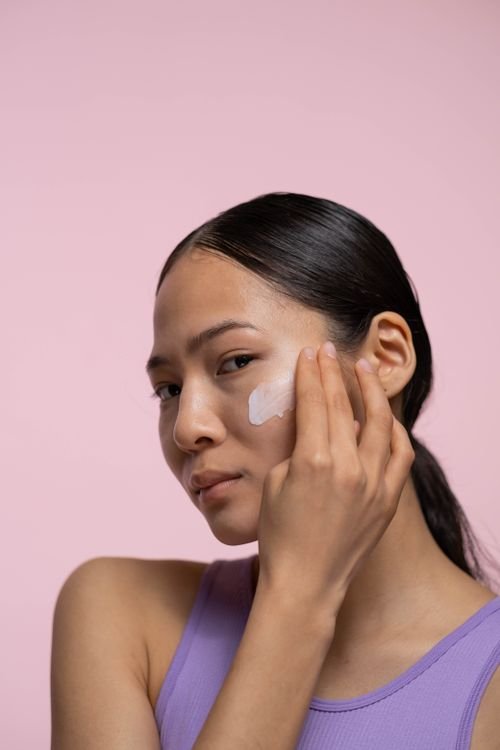
Night cream skincare focuses on repair because your skin does most of its rebuilding while you sleep. During the day, skin runs in defence mode, fending off UV rays and pollution. Overnight it switches gears: cell turnover picks up, and the skin works on renewing itself without the constant assault of sunlight and grime.
Here is the catch. As your skin repairs overnight, it also loses more water through the surface than it does during the day. That extra water loss is exactly why night creams are built thicker and more hydrating. They help seal moisture in so your barrier can rebuild instead of drying out.
Sleep itself is part of the equation. When you are short on rest, your skin barrier has a harder time recovering, which can leave you looking dull and feeling dry the next morning. A good night cream supports that natural recovery window rather than fighting it.
This is also why so many Korean routines treat the night as the main event. If you want to see how the layering works in practice, our guide on how to layer a Korean 7-step night skincare routine walks through the order step by step, with the night cream sitting near the end to lock everything in.
What about acne and acne marks at night?
Nighttime is a smart window for treating breakouts and the marks they leave behind. Ingredients that fade dark spots and smooth texture, like niacinamide and gentle retinoids, work steadily while you sleep and away from the sun. If your skin is acne-prone, you do not need to skip night cream. You just need a lighter, non-greasy one so you are hydrating without clogging pores.
Why Do Retinol and Actives Belong in Your Night Routine?
Retinol belongs at night because it makes your skin more sensitive to sunlight. According to the American Academy of Dermatology, dermatologists advise using retinoids only at night and always wearing sun protection during the day. Daylight both reduces how well the ingredient works and leaves treated skin more vulnerable to sun damage.
So the timing is not fussy marketing. It is practical.
A few actives are happiest in your evening routine:
- Retinol and retinoids, for renewal and fading marks over time
- Strong exfoliating acids, which can also raise sun sensitivity
- Rich repair ingredients that have all night to absorb undisturbed
The flip side matters too. If you use any of these at night, daytime sunscreen stops being optional. The AAD notes that people with sensitive skin should look for a physical sunscreen with titanium dioxide or zinc oxide, which tends to be gentler on reactive skin.
One gentle warning for beginners: introduce retinol slowly. Start two or three nights a week, let your skin adjust, then build up. Going too hard too fast is the fastest way to end up red and flaky.
How Do You Choose a Night Cream for Your Skin Type?
Choosing the right night cream comes down to matching the texture and ingredients to what your skin actually needs. The same jar that rescues dry skin can feel suffocating on oily skin. Start by being honest about your skin type, then pick accordingly.
Here is a simple way to match them:
- Oily or acne-prone skin: Go for a lightweight gel-cream. Look for niacinamide and hyaluronic acid, and skip heavy oils that can clog pores.
- Dry or flaky skin: Reach for a richer balm-cream with ceramides, shea or squalane. These hold moisture in through the night.
- Combination skin: A medium-weight cream works well. You can also apply a thinner layer on your oilier T-zone.
- Sensitive skin: Keep it simple. Fewer ingredients, no strong fragrance, and gentle barrier-support actives like ceramides and panthenol.
- Pigmentation or dark marks: Choose a night cream with brightening ingredients like niacinamide, and pair it with daytime SPF so your progress holds.
If you are shopping in Sri Lanka, texture is doubly important. In our warm, humid climate, a heavy winter-style cream can feel greasy, so many people do better with a medium-weight night cream that hydrates without sitting on top of the skin.
Onlinebeautybar stocks Korean-inspired night creams across these needs, including lighter formulas for acne-prone skin and richer ones for dry skin, so you can match the jar to your skin rather than the other way around.
What if you have more than one concern?
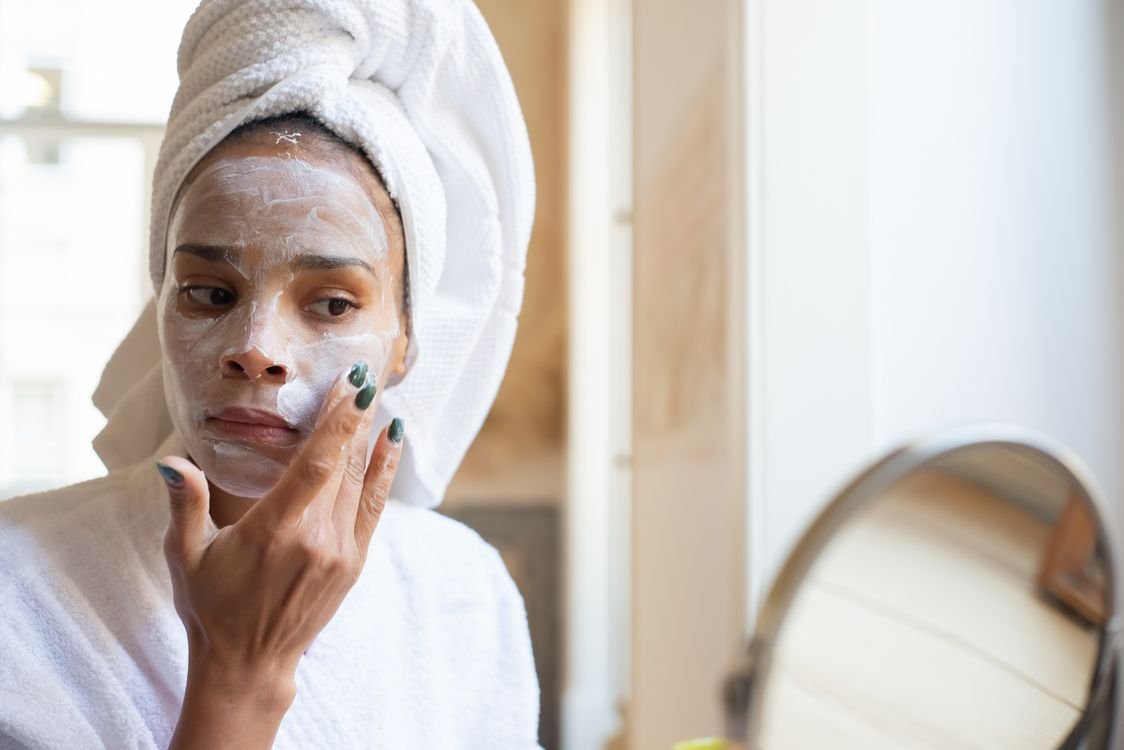
Most of us do. Maybe you have oily skin with pigmentation, or dry skin that still breaks out. When concerns overlap, let texture follow your skin type and let ingredients follow your main concern. Oily and pigmented? A lightweight brightening gel-cream. Dry and breakout-prone? A richer but non-comedogenic cream with soothing actives.
How Do You Apply Night Cream for Maximum Overnight Benefits?
To get the most from your night cream, apply it as the final step of your routine, onto slightly damp skin, and give it a few minutes to absorb before bed. Damp skin helps lock in extra moisture, and applying it last seals in everything underneath.
Here is a simple night order that works for most people:
- Cleanse to remove makeup, sunscreen and the day's grime
- Tone to rebalance and prep the skin
- Apply any serum or treatment, like a brightening or acne product
- Eye cream, if you use one
- Finish with your night cream as the sealing layer
A few habits make a real difference:
- Do not rinse after. Night cream is a leave-on step. Let it stay.
- Use a pea-sized amount. More is not better. A thin, even layer absorbs best.
- Wait before lying down. Give it 10 to 20 minutes so it sinks in instead of transferring to your pillowcase.
- Press, do not drag. Warm the cream between your palms and press it in gently.
If your skin still feels tight in the morning, your cream may be too light, or you may need a hydrating toner underneath. For help picking that layer, our buyer's guide to face toners in Sri Lanka covers what to look for before the cream goes on.
Morning versus night: a quick contrast
Mornings are about protection and a clean base for the day. You want a lighter moisturiser and, above all, sunscreen. Nights are about repair. That is when the richer cream and the stronger actives come out. Keeping the two routines distinct is the single easiest upgrade most beginners can make.
Which Affordable K-Beauty Night Creams Should You Try?
Affordable Korean night creams have made the repair-and-hydrate routine accessible without a luxury price tag. You do not need a shelf of expensive jars. You need one well-matched cream and the discipline to use it nightly. The Korean approach leans on gentle, layered hydration rather than harsh quick fixes, which suits beginners and sensitive skin alike.
When you are choosing, prioritise these over branding:
- A texture that matches your skin type and our humid climate
- Barrier-friendly ingredients like ceramides, niacinamide and hyaluronic acid
- A short, sensible ingredient list if your skin reacts easily
- A size and price you can realistically repurchase, since consistency beats splurging once
Onlinebeautybar's Korean-inspired range is built around exactly this idea: affordable night creams in LKR, with installment-friendly options, so you can stay consistent without stretching your budget. Look for a formula pitched at your concern, whether that is a night cream aimed at acne-prone skin or a richer one for dryness.
One honest note: no single cream transforms skin overnight. The before-and-after glow people talk about comes from using the right product steadily over weeks, protecting your skin by day, and letting it repair by night. That rhythm is what actually moves the needle.
If you are prepping for a big event like a wedding, the stakes and the timeline change, and a consistent night routine becomes central to that glow. Starting weeks ahead, not days, is what gives the repair time to show.

What Mistakes Should Beginners Avoid With Night Cream?
The most common night cream mistakes come down to using too much product, applying actives too aggressively, or matching the cream to a trend instead of your skin. Each one quietly undermines the results you are hoping for, and all three are easy to fix once you know them.
Watch out for these in particular:
- Layering too many actives at once. Stacking retinol, strong acids and vitamin C in a single night can wreck your barrier. Introduce one new active at a time.
- Going heavy in humid weather. A thick cream that feels lovely in a dry climate can clog pores in our heat. Let the season and the humidity guide the texture.
- Expecting overnight miracles. Real change shows up over weeks, not a single sleep. Judge a cream after a month, not a morning.
- Skipping cleansing first. Night cream traps whatever is underneath. If you do not remove sunscreen and grime, you seal it against your skin all night.
- Forgetting the neck. Your neck ages alongside your face. Sweep whatever is left on your fingers downward.
If your skin suddenly turns red, stings or flakes, pause the actives and return to a plain, barrier-supporting night cream for a week or two. Reset first, then reintroduce slowly.
Day Cream and Night Cream Working Together
Day cream and night cream share one goal from two angles. One guards your skin through the day, the other rebuilds it through the night. Skip either and you leave a gap: no protection by day means damage, and no repair by night means slower recovery and more dryness.
The good news is that the system is simple once it clicks. Lighter and protective in the morning, richer and reparative in the evening, with sunscreen as the non-negotiable daytime step. You do not need ten products. You need the right two moisturisers and consistency.
Tonight, start with one small change: swap your morning moisturiser for a proper night cream before bed and apply it to slightly damp skin as your last step. Give it two weeks. If you want help choosing a formula matched to your skin type and budget, browse Onlinebeautybar's night cream range and pick the one built for your main concern.
Frequently asked questions
Can I use my day cream at night instead of buying a night cream?
You can, but you miss out. Day creams are lighter and often skip the richer repair ingredients your skin wants overnight. A dedicated night cream gives deeper hydration while you sleep.
Is night cream skincare only for older skin?
No. Night creams suit every age. Younger skin dealing with acne marks or dryness benefits just as much, as long as the formula matches your skin type.
How long before bed should I apply night cream?
Apply it as the final step about 10 to 20 minutes before lying down. That gives the cream time to sink in rather than transferring to your pillow.
Do I still need sunscreen if I use a night cream?
Yes. Night cream does nothing for sun protection. You still need a daytime SPF, which matters even more if your night cream contains retinol.