
Key takeaways
- Korean skincare for acne favours gentle, layered care over harsh scrubbing, which protects the skin barrier while calming breakouts.
- Around 85% of people aged 12 to 24 get at least minor acne, so you are far from alone (American Academy of Dermatology, Skin Conditions by the Numbers).
- Look for non-comedogenic labels and soothing ingredients like centella asiatica (cica), niacinamide and gentle salicylic acid.
- Pair every treatment step with a lightweight, oil-free moisturiser so your skin stays hydrated and does not overproduce oil.
- A simple four-step routine beats a crowded shelf, and affordable combo packs make it easy to start without overspending.
If you are dealing with breakouts, Korean skincare for acne is one of the gentlest ways to get clearer skin without stripping it raw. The idea is simple: calm the skin, unclog pores slowly, and keep it hydrated so it stops overproducing oil.
Harsh scrubs and drying spot treatments often make acne angrier. K-beauty takes the opposite path. In this guide you will learn which product types actually help, how to spot non-comedogenic picks, and how to build a four-step routine you will stick with.
Let's get into it.
How Does Korean Skincare Tackle Acne So Gently?
Acne is incredibly common, so take some comfort in that. Around 85% of people aged 12 to 24 experience at least minor acne (American Academy of Dermatology, Skin Conditions by the Numbers). Korean skincare treats that reality with patience rather than punishment.
The core idea is barrier respect. Your skin barrier is the outer layer that keeps moisture in and irritants out. When you scrub or over-dry it, the barrier breaks down, and breakouts often get worse.
K-beauty routines use mild, low-foam cleansers and soothing actives instead. Think centella asiatica, often called cica, a plant extract used for centuries to calm irritated skin. The goal is to reduce redness and gently clear pores at the same time.
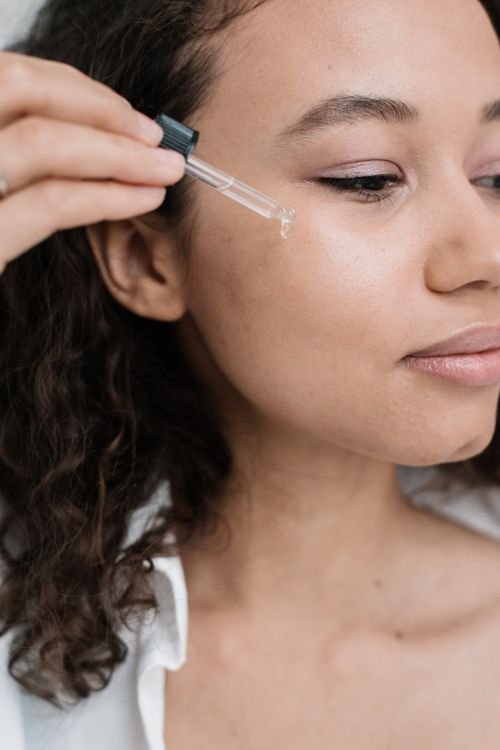
This gentle approach suits humid climates especially well, where heavy products can clog pores fast. If your damaged barrier is part of the problem, our guide on how to fix a damaged skin barrier naturally walks you through the repair steps first.
What Makes a K-Beauty Product Non-Comedogenic?
Non-comedogenic simply means a product is formulated to be less likely to clog your pores. For acne-prone skin, this label is one of the most useful things you can look for on a bottle.
Clogged pores are where most breakouts begin. When oil, dead skin and bacteria get trapped, you get whiteheads, blackheads and inflamed spots. Non-comedogenic formulas avoid the heavy, pore-blocking oils that trigger this.
Here is what to scan for on a label:
- Lightweight textures: gels, watery lotions and light essences over thick, greasy balms.
- Oil-free or low-oil: especially helpful if your T-zone gets shiny by midday.
- Soothing actives: centella asiatica, niacinamide, green tea and tea tree.
- Gentle exfoliants: salicylic acid in low concentrations, which clears pores without harsh scrubbing.
Not sure how to decode the rest of the bottle? Learning to read a Korean skincare ingredient label makes it far less intimidating. Once you can read a label, shopping for acne-safe products gets much easier.
Which K-Beauty Products Work Best for Breakouts?
The best K-beauty products for acne usually fall into four groups: a gentle cleanser, a clarifying toner, a soothing treatment, and a light moisturiser. Each targets a different part of the breakout cycle.
A low-foam gel cleanser removes oil and sunscreen without stripping. A polishing toner then sweeps away leftover residue and preps the skin to absorb what comes next. These two steps alone solve a surprising amount of congestion.
For treatment, cica and niacinamide are the quiet heroes. Niacinamide, a form of vitamin B3, helps control oil and fade the dark marks acne leaves behind. Centella calms the angry redness around active spots.
Whitening and brightening soaps, like kojic and coffee glow bars, can double as gentle daily cleansers for body acne and back breakouts. At Onlinebeautybar, these sit alongside the Magical and Luxury Glow ranges built around these soothing ingredients.
A soap-first starting point works well if you want to keep things simple, since one gentle bar can handle both face and body breakouts.
What About Back, Chest and Body Breakouts?
Acne is not just a face problem. Sweat, tight clothing and humidity trap oil on your back and chest, and that is where many Sri Lankan shoppers get stubborn body breakouts. The same gentle rules apply.
Use a soothing cleansing bar in the shower and let it sit on your skin for thirty seconds before rinsing. That short pause gives the actives time to work. Rinse sweat off quickly after a workout, and swap damp clothes for dry ones fast.
Avoid scrubbing body acne with a rough loofah. It feels satisfying, but it spreads bacteria and irritates existing spots. A gentle hand and a consistent bar do more than any aggressive scrub.
Which K-Beauty Ingredients Should Acne-Prone Skin Avoid?
Just as important as what to use is what to skip. Certain ingredients are known pore-cloggers or irritants, and for acne-prone skin they often cause more breakouts than they prevent. Reading the label protects you here.
Heavy plant oils like coconut oil and cocoa butter sit high on the comedogenic scale, meaning they block pores easily. They feel lovely on dry skin, but on oily, acne-prone skin they can trigger fresh spots within days.
Watch out for these common triggers:
- Heavy occlusive oils: coconut oil, cocoa butter and some mineral-oil-rich balms.
- High alcohol content: denatured alcohol high in the ingredient list can strip and irritate.
- Strong fragrance: added perfume is a frequent cause of redness and reactions on sensitive, broken-out skin.
- Rough physical scrubs: walnut-shell and large-grain exfoliants cause tiny tears that worsen inflammation.
This does not mean every oil or scented product is bad. It means you should introduce them carefully and watch how your skin responds over a week or two. When in doubt, choose the simpler, fragrance-free option.
Patch testing is your safety net. Dab a new product on your jaw or behind your ear for two or three nights before using it on your whole face. If you see no redness or bumps, it is usually safe to continue.
Why Does Acne-Prone Skin Still Need Hydration?
This is the step most people skip, and it backfires. When you strip oily skin dry, it panics and pumps out even more oil to compensate. That extra oil feeds more breakouts, so hydration is not optional.
The fix is a lightweight, non-comedogenic moisturiser. It restores water without adding grease. Gel-cream textures with ingredients like hyaluronic acid or centella are ideal for acne-prone and combination skin.
Balance is the whole game. Your treatment steps clear pores, while your moisturiser keeps the barrier calm so those treatments do not cause flaking or stinging. Skip one side and the routine falls apart.
Night-time is when this matters most. A light night cream gives your skin hours to repair without makeup or sun exposure getting in the way. If your skin runs oily, pick a gel-cream night texture that hydrates without clogging your pores.
How Do You Build a Simple Anti-Acne Routine?
Keep it to four steps. A crowded shelf tempts you to layer too many actives at once, which irritates skin and triggers more breakouts. Simple and consistent always wins.
Here is a beginner-friendly routine you can start this week:
- Cleanse. Use a gentle gel or low-foam cleanser morning and night. At night, double cleanse if you wear sunscreen or makeup.
- Tone. Swipe on a polishing or clarifying toner to clear residue and refine pores.
- Treat. Apply a cica or niacinamide product, or a light salicylic acid serum, to active areas.
- Moisturise. Seal everything with a lightweight, oil-free moisturiser. In the morning, finish with sunscreen.
Introduce one new active at a time and give it two weeks before adding another. This way, if something irritates your skin, you know exactly what caused it.
Morning and night routines differ slightly: treatments and repair work best at night, while daytime focuses on protection. Keep mornings light and always finish with sunscreen.
How Does Double Cleansing Fit In?
At night, one cleanse often is not enough if you wear sunscreen or makeup. Double cleansing solves this. You start with an oil-based or balm cleanser to melt off sunscreen and grime, then follow with your gentle gel cleanser to clean the skin underneath.
This two-step method is a K-beauty staple for a reason. Leftover sunscreen and sebum are a common hidden cause of clogged pores, especially in humid weather where you sweat more. Removing them properly means your treatment step actually reaches your skin.
Keep the oil cleanse short, around thirty to sixty seconds, and rinse with lukewarm water. Hot water strips the barrier and leaves acne-prone skin tight and reactive.
What Common Mistakes Make Acne Worse?
Most stalled routines fail for the same few reasons, and nearly all of them are fixable. The biggest is impatience: switching products every few days before any of them have a chance to work. Give each change two to four weeks.
Over-treating is just as common. Using an acid toner, a strong serum and a scrub all at once feels productive, but it wrecks your barrier and sparks more breakouts. One active at a time is plenty.
Here are the mistakes to watch for:
- Skipping sunscreen. Sun exposure darkens acne marks and slows healing. Daily SPF is non-negotiable for clearing spots.
- Picking and squeezing. It feels irresistible, but it pushes bacteria deeper and leaves scars that outlast the spot.
- Dirty pillowcases and phones. These carry oil and bacteria straight to your face. Change pillowcases twice a week and wipe your phone screen.
- Drying out oily skin. Stripped skin overproduces oil, so harsh products often backfire.
If you suspect your current products are the problem, watch for stinging, new bumps or a tight, shiny feeling after use. Those are signs to simplify and switch to gentler formulas.
Are There Affordable K-Beauty Options for Teens and Adults?
Yes, and this matters because acne does not stop after your teens. Adult acne continues to increase and affects up to 15% of women, while acne overall affects up to 50 million people a year in the United States alone (American Academy of Dermatology, Skin Conditions by the Numbers). Clear skin should not require a luxury budget.
The good news: the ingredients that fight acne work the same at any price. Salicylic acid and niacinamide do their job whether they come in a premium jar or an affordable combo pack. You are paying for the active, not the marketing.
Combo packs are the smart move for beginners. A soap, toner and night cream bundle costs less than buying each piece separately, and it removes the guesswork of matching products. For Sri Lankan shoppers, Onlinebeautybar prices these in LKR with installment options and island-wide delivery, so a full routine stays within reach.
Teens often need less, not more. A single gentle cleanser, one treatment and a light moisturiser is usually enough to start. If you are completely new, our list of affordable K-beauty products every beginner needs keeps the first shop simple.
How Soon Will You See Clearer Skin?
Give it time. Most people notice calmer, less red skin within two to four weeks, with clearer skin over roughly six to twelve weeks of steady use. Acne marks fade more slowly than active spots, so patience pays off.
Consistency beats intensity every single time. Using a gentle routine daily does far more than hitting your skin with strong actives once in a while. Breakouts respond to steady care, not bursts of effort.
Interest in gentle, skincare-led routines keeps climbing worldwide, and K-beauty is a big part of that shift. Growing demand means more affordable, acne-friendly options are easier to find than ever, including right here in Sri Lanka.
Track your progress with photos every two weeks in the same light. Small changes are hard to see day to day, but a side-by-side after a month tells the real story.
Start Simple and Stay Consistent
Pick your four steps, choose non-comedogenic products with soothing ingredients, and give your skin a steady six to eight weeks. That single commitment does more for acne than any expensive miracle product.
If you want a done-for-you starting point, browse Onlinebeautybar's acne-friendly combo packs, match a gentle cleanser and a cica or niacinamide treatment to your skin, and begin tonight. Your future self will thank you for keeping it simple.
Frequently asked questions
Is Korean skincare good for acne-prone skin?
Yes. Korean skincare for acne leans on gentle cleansing, soothing ingredients like centella asiatica and niacinamide, and light hydration. This calms breakouts without stripping the skin, which often reduces the redness and oil rebound that harsh products cause.
What ingredients should I look for in K-beauty products for acne?
Look for salicylic acid for unclogging pores, niacinamide for oil control and marks, and centella asiatica (cica) or tea tree for soothing redness. Choose products labelled non-comedogenic so they are less likely to block pores.
Can oily, acne-prone skin skip moisturiser?
No. Skipping moisturiser can push oily skin to produce even more oil, which worsens breakouts. Use a lightweight, oil-free, non-comedogenic moisturiser so your skin stays balanced and your treatment steps work better.
How long does Korean skincare take to clear acne?
Most people see calmer, less red skin within two to four weeks, with clearer skin over six to twelve weeks of consistent use. Acne marks fade more slowly. Stay patient and keep the routine simple and steady.
Are affordable K-beauty products effective for acne?
Yes. The active ingredients that help acne, like salicylic acid and niacinamide, work the same whether a product is cheap or premium. Affordable combo packs and installment options make a full routine easy to start on a budget.