
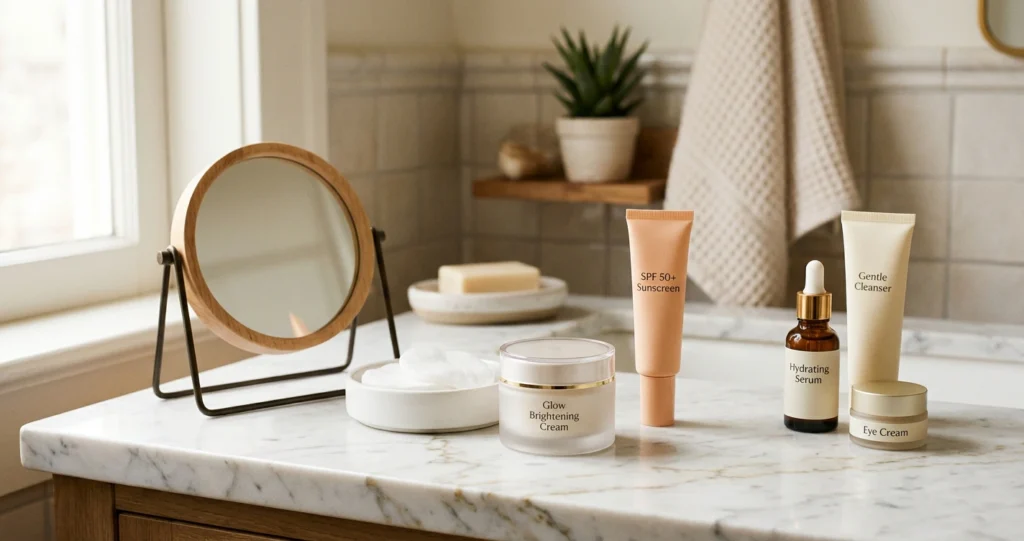
Key takeaways
- A good face whitening cream evens your tone and fades dark spots. It does not bleach your natural skin colour, and anything promising that is a red flag.
- Look for gentle brighteners like niacinamide, vitamin C, alpha arbutin and kojic acid. Skip mercury and unregulated hydroquinone, which the FDA warns can permanently damage skin.
- Patch-test every new cream for 24 to 48 hours before using it on your whole face.
- Give any cream 4 to 8 weeks of steady use, paired with daily sunscreen, before you judge the results.
A face whitening cream that works does one job well: it fades dark spots and evens out your tone so your skin looks clearer and brighter. It does not bleach your natural colour, and any product promising that overnight is one to walk away from. If you have been staring at a shelf of jars wondering which one is worth your money, this guide will help you choose with confidence.
Pigmentation is one of the most common skin worries people bring to us at Onlinebeautybar. Acne marks that linger, patchy darkness on the cheeks, uneven tone after sun exposure. The good news is that the right cream, used correctly, really can help. The tricky part is knowing what "right" looks like, because the whitening shelf is crowded with big promises and a few genuinely risky products.
Let's clear up what a facial whitening cream actually does, which ingredients earn their place, and how to use one so you see real change.
What Does a Face Whitening Cream Actually Do?
A face whitening cream works by slowing down melanin, the pigment that gives skin its colour and clusters into dark spots. When melanin overproduces in patches, you get uneven tone, acne marks and pigmentation. A brightening cream calms that process and helps your skin shed old, darkened cells faster.
Think of it as evening out the playing field, not repainting the whole thing. Your base skin tone stays yours. What changes is the patchiness: the dark acne scar, the sun spot, the shadowy area around your mouth or forehead.
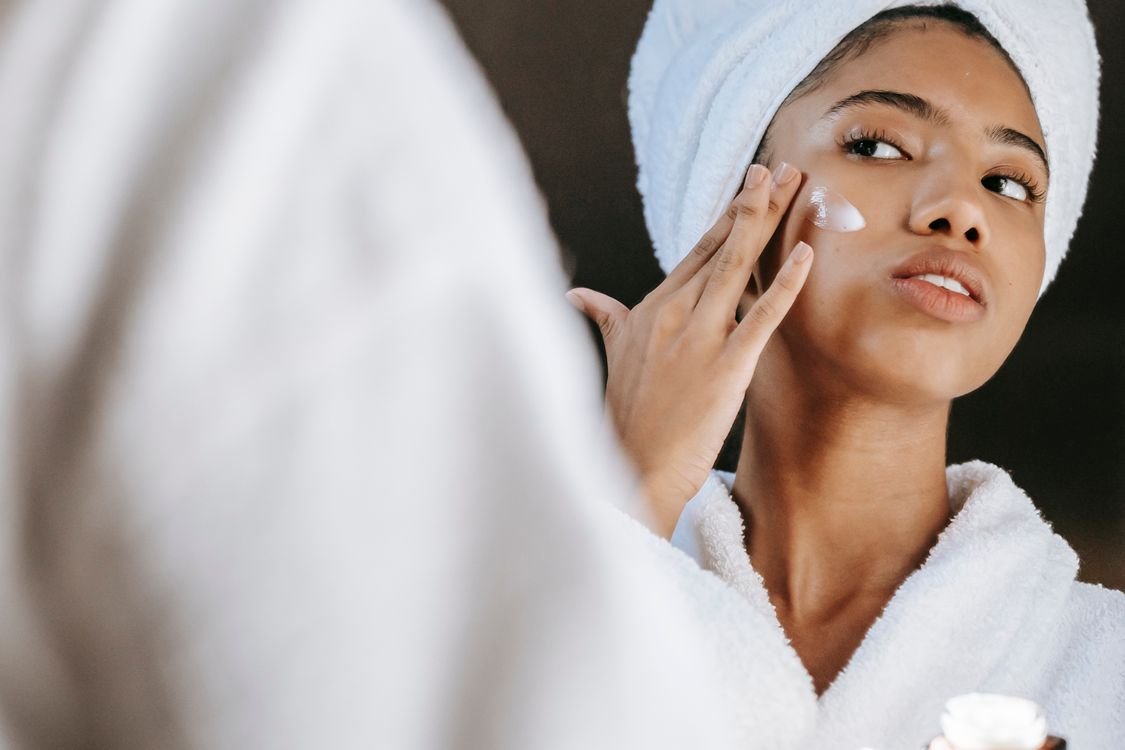
This is an important distinction, because the word "whitening" gets used loosely. A trustworthy cream promises a brighter, more even, more radiant complexion. A risky one promises to make you several shades lighter in a week.
So before you buy, read the promise on the label. Realistic language ("brightens", "fades dark spots", "evens tone") is a green flag. Extreme language is your cue to keep scrolling.
Which Ingredients Brighten Safely?
The safest brighteners are ingredients with a long track record of gentle, gradual results. Niacinamide, vitamin C, alpha arbutin and kojic acid lead this list. They work with your skin rather than stripping it, which is exactly what you want for daily use.
Here is what each one does:
- Niacinamide. A form of vitamin B3 that calms redness and interrupts the transfer of pigment to the skin surface. Gentle enough for most skin types, including sensitive and acne-prone.
- Vitamin C. An antioxidant that fades dullness, brightens overall tone and supports a healthier glow over time. Best used in the morning.
- Alpha arbutin. A mild, steady brightener that targets dark spots without much irritation. A favourite for pigmentation-prone and sensitive skin.
- Kojic acid. Derived from fermentation, it tackles stubborn marks and is common in kojic whitening soaps and creams. Effective, but start slow if your skin reacts easily.
Notice a pattern? None of these works overnight. They nudge your skin in the right direction with repeated use. That slow, steady pace is exactly what keeps the result lasting and your skin barrier intact.
If you want a fuller breakdown of what to look for on an ingredient list, our buyer's guide to the best whitening cream in Sri Lanka walks through it concern by concern.
Which Ingredients Should You Skip?
The two ingredients to avoid in a daily face cream are mercury and unregulated hydroquinone. The U.S. Food and Drug Administration states plainly that there are no FDA-approved or legally marketed over-the-counter skin lightening products (FDA, Skin Products Containing Mercury and/or Hydroquinone warning, 2026). That is worth knowing before you trust a dramatic claim.
Hydroquinone deserves real caution. The FDA warns it can cause discolouration of the skin that may be permanent, a condition called ochronosis. That is the opposite of what you are paying for: dark, stubborn patches that are harder to treat than the ones you started with.
Mercury is the more dangerous story. In the same FDA testing, one product called Orbi 20 Whitening Cream contained 27,762 ppm of mercury. Mercury can cause kidney and neurological damage, and it is sometimes hidden in creams that promise fast, extreme lightening.
How do you spot the risky ones? A few warning signs:
- No full ingredient list on the packaging.
- Promises to lighten you several shades fast.
- No brand name, batch number or seller you can trace.
- A price that seems too good for the claims made.
This is one reason buying from a seller you trust matters so much. Check the store's reviews, confirm a real brand name and batch number, and make sure the full ingredient list is printed before you hand over your money.
How Do You Patch-Test a New Cream?
Always patch-test a new face whitening cream before you put it anywhere near your whole face. A patch test is a simple safety check: you try a small amount on a hidden spot and wait to see if your skin reacts badly.
Here is the routine we recommend:
- Pick a discreet spot, like the inside of your elbow or just behind your jaw.
- Dab on a small amount of the cream, about the size of a lentil.
- Leave it on for 24 hours. Do not wash the area or rub it.
- Repeat for two or three nights if you have reactive skin.
- If you see redness, itching, burning or small bumps, stop. That cream is not for you.
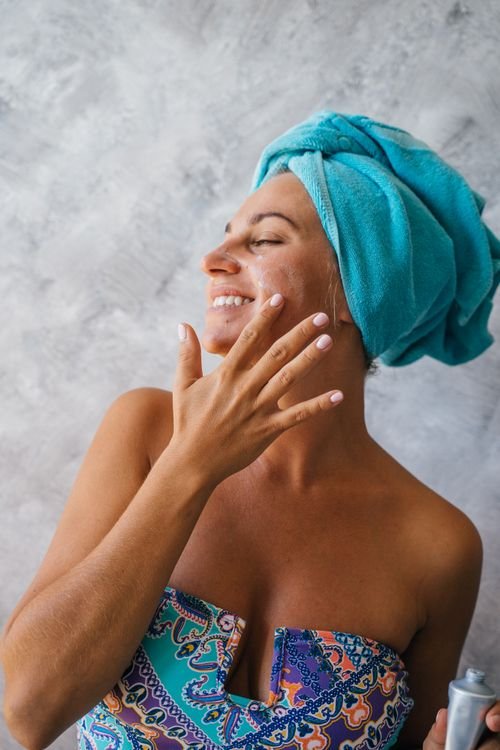
Why bother when you are eager to start? Because brightening actives can tingle, and some skin types react to even gentle ingredients. A patch test saves you from spreading a problem across your whole face. It takes a day. A reaction can take weeks to settle.
One more tip: introduce only one new product at a time. If you start three creams at once and your skin flares up, you will have no idea which one caused it.
Morning vs Night: How Should You Use It?
Use lighter, protective products in the morning and your richer treatment cream at night, because your skin repairs itself while you sleep. This morning-versus-night split is the single habit that makes brightening creams work better.
A simple routine looks like this:
Morning
- Gentle cleanser or a face whitening facewash.
- A light brightening layer, such as vitamin C if your cream suits daytime.
- Sunscreen. Every single day, rain or shine.
Night
- Cleanse to remove the day's dirt and sunscreen.
- Apply your face whitening or brightening night cream.
- Let it absorb before bed.
Never skip that morning sunscreen step. Sun exposure is a major driver of pigmentation, and it quietly undoes the progress your cream is making. Apply a brightening cream all month, skip the sunscreen, and fresh sun spots can appear faster than old ones fade.
Start slow with any active cream. Every other night for the first week or two lets your skin adjust before you move to nightly use.
What Is a Realistic Timeline for Results?
Expect to wait 4 to 8 weeks of steady, daily use before you see a clearer, more even tone, and longer for deep or old pigmentation. Brightening is a slow process by nature, because your skin renews itself gradually.
Here is a rough map of what tends to happen:
- Weeks 1 to 2: Skin feels smoother and looks a little fresher. Spots have not moved much yet.
- Weeks 3 to 4: Surface dullness lifts. Tone starts to look more even in good light.
- Weeks 5 to 8: Dark spots and acne marks begin to fade noticeably.
- Weeks 8 to 12 and beyond: Older, deeper pigmentation softens with continued use.
Does that sound slow? It is honest. Anything promising a dramatic change in days is either overselling or relying on ingredients you should avoid. Our customers who see the best transformations are the ones who stick with a routine and photograph their skin monthly to track the change.
If you like structure, pair your cream with a simple month-long routine and track your progress with photos. A plan makes consistency far easier.
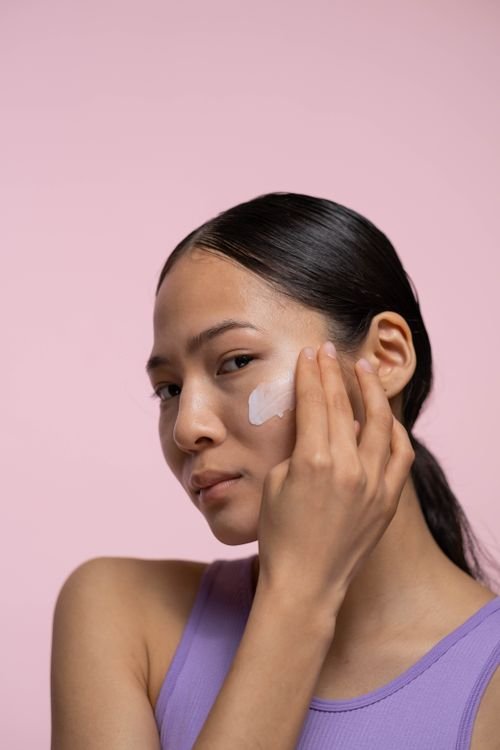
Two things speed results along: daily sunscreen and not switching products every week. Give one routine a fair trial before you change course.
How Do You Match a Cream to Your Skin and Concern?
Choose your cream by your main concern and skin type, not by the loudest label. Acne marks, general dullness, dry skin and stubborn pigmentation each respond best to slightly different formulas, so a quick self-check saves you money.
Ask yourself two questions first. What is my biggest concern? And is my skin oily, dry, sensitive or combination? Then match accordingly:
- Acne marks and oily skin. Look for niacinamide-led, lightweight creams that will not clog pores.
- Dullness and tired tone. Vitamin C formulas brighten overall and add glow.
- Dry or sensitive skin. Choose richer, calming night creams with gentle brighteners like alpha arbutin.
- Stubborn pigmentation. Kojic acid and alpha arbutin blends, used patiently, tend to work best.
If you are prone to pigmentation and want a gentle place to start, Onlinebeautybar's brightening night creams are formulated for exactly this. They pair soothing, moisturising bases with the steady brighteners above, so pigmentation-prone and sensitive skin can use them without the harsh sting of extreme lightening products. For help narrowing the field, our guide to picking the right face cream for your skin runs through each skin type in more detail.
Still unsure? Start with one gentle, well-reviewed cream, use it faithfully for eight weeks, and judge from there. Your skin will tell you more than any label can.
Making Your Choice With Confidence
You now have the checklist that matters: a realistic promise on the label, safe brightening ingredients, no mercury or unregulated hydroquinone, a patch test before you commit, and a morning sunscreen habit to protect your progress. That is how a face whitening cream goes from a hopeful purchase to a real change in the mirror.
Your next step is small. Pick one gentle brightening cream that matches your main concern, patch-test it tonight, and start your morning-and-night routine tomorrow. Browse Onlinebeautybar's pigmentation-friendly range, read the real customer reviews, and choose the one that fits your skin and your budget, with island-wide delivery and installment-friendly pricing to make it easy.
Clearer, more even skin comes from a steady habit over several weeks. Start gently, stay consistent, and give your routine the time it needs.
Frequently asked questions
Does face whitening cream change my natural skin colour?
No. A good face whitening cream fades dark spots and evens your tone. It does not permanently lighten your base colour. Products that claim to bleach your natural shade usually rely on harsh or unsafe ingredients.
How long before I see results from a face whitening cream?
Most gentle brightening ingredients need 4 to 8 weeks of daily use before you notice a clearer, more even tone. Deeper pigmentation can take 12 weeks or longer. Consistency and daily sunscreen matter more than any single product.
Is hydroquinone safe in a face cream?
The FDA states there are no FDA-approved OTC skin lightening products and warns that hydroquinone can cause permanent skin discolouration called ochronosis. Choose gentler brighteners like niacinamide or alpha arbutin instead, especially for daily use.
Can I use a face whitening cream if I have sensitive skin?
Yes, if you choose gently and patch-test first. Start with low-irritation brighteners like niacinamide and alpha arbutin, apply every other night at first, and always layer sunscreen in the morning to protect fresh results.