

Key takeaways
- A skin brightening night cream works best on clean, slightly damp skin, applied as the last step before bed so ingredients stay put all night.
- Look for brightening helpers like niacinamide, vitamin C, alpha arbutin and kojic acid, which gently fade dullness and dark marks over several weeks.
- Night brightening only sticks if you wear sunscreen the next day; the EPA notes nearly half of daily UV lands between 10 a.m. and 4 p.m.
- Give it four to eight weeks of nightly use before judging results, and take a weekly selfie in the same light to track your glow.
To use a skin brightening night cream the right way, smooth a pea-sized amount over clean, slightly damp skin as the final step before bed, then protect that progress with sunscreen the next morning. That's the whole secret in one sentence, and the rest of this guide fills in the details most routines miss.
A lot of people buy a brightening cream, dab it on whenever they remember, and quietly give up after a week. The cream wasn't the problem. The method was.
Your skin does its real repair work overnight, so a good night cream has a quiet window to fade dullness and even out tone while you sleep. Use it well and you wake up looking fresher. Use it badly and you waste a perfectly good jar. Let's get you in the first group.
How a Brightening Night Cream Fades Dullness Overnight
While you sleep, your skin shifts into repair mode, shedding tired surface cells and rebuilding its barrier. A skin brightening night cream rides that natural rhythm, delivering brightening ingredients during the hours your skin is most ready to absorb them.
Here's what actually happens. During the day, your skin is busy defending itself against sun, pollution, sweat and makeup. At night, those threats drop away, and your skin turns its energy toward renewal. Dead, dull cells loosen and lift. Fresh cells move up to take their place.
Dullness is mostly a surface story. It's a build-up of dead skin, uneven tone and a tired barrier that no longer reflects light well. A night cream helps on all three fronts at once: it supports gentle cell turnover, it carries pigment-calming ingredients, and it holds moisture in so your skin looks plumper by morning.
That moisture point matters more than people think. Skin tends to lose water more easily at night, which is part of why it can look flat and crepey when you wake up. A richer night cream seals that moisture in, so the first thing you see in the mirror is bounce, not dryness. If you're still deciding whether a dedicated night product earns its place, our guide on what a night cream does and why you need one breaks the basics down in plain language.
Brightening isn't a bleaching trick. A sensible cream nudges your skin toward its clearest, most even version of itself, one night at a time.
Ingredients That Target Pigmentation While You Sleep
The brightening power of any night cream comes down to its ingredient list, where a handful of proven actives work on dark marks and uneven tone. The names sound clinical, so here's each one in everyday terms, plus what it quietly does overnight.
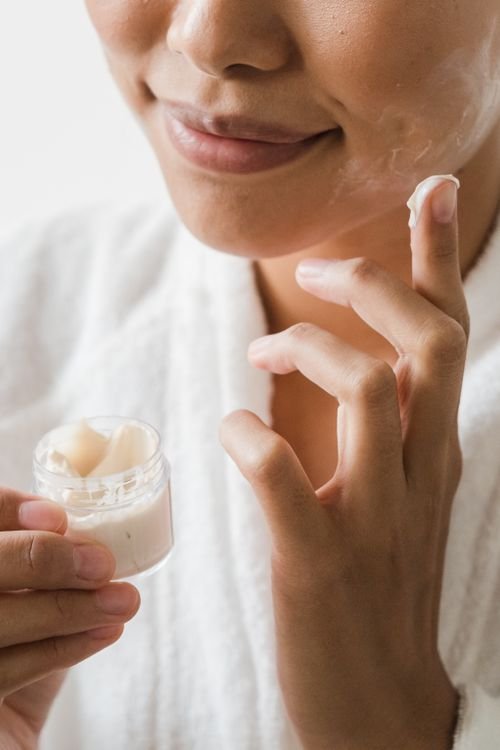
Niacinamide is a form of vitamin B3, and it's the gentle all-rounder. It helps limit how much pigment travels to the skin surface, which softens dark patches over time. It also strengthens your barrier, so skin looks calmer and less blotchy. Most skin types tolerate it well, even sensitive ones.
Vitamin C is the classic glow ingredient. It interrupts the process that makes excess pigment and brightens the overall look of your complexion. Some people prefer it by day, but a stable form in a night cream works beautifully while you rest.
Alpha arbutin is a quieter name worth knowing. It targets the enzyme that triggers pigment production, so it's a favourite for fading stubborn spots without harshness. Think slow and steady rather than dramatic.
Kojic acid comes up a lot in Sri Lankan skincare, especially in whitening soaps and creams. It helps lift surface pigment and even out tone. Pair it with daily sunscreen, because freshly brightened skin burns more easily.
Retinol speeds up cell turnover, pushing dull, marked cells up and out faster. It's powerful, so start slow: two or three nights a week, then build up. If your skin flakes or stings, ease off for a few days.
A quick note on honesty. These ingredients work, but they work on a timeline of weeks, not hours. Anything promising to erase years of pigmentation in a single night is selling a fantasy, not a formula. Many Korean-inspired formulas pair these brighteners with soothing heroes like centella and snail mucin, which keep skin calm while the actives do their job.
Step-by-Step Night Routine for Glowing Morning Skin
A brightening night cream only shines when it lands on clean, prepped skin, so the steps before it matter as much as the cream itself. Here's a simple routine you can finish in under five minutes.
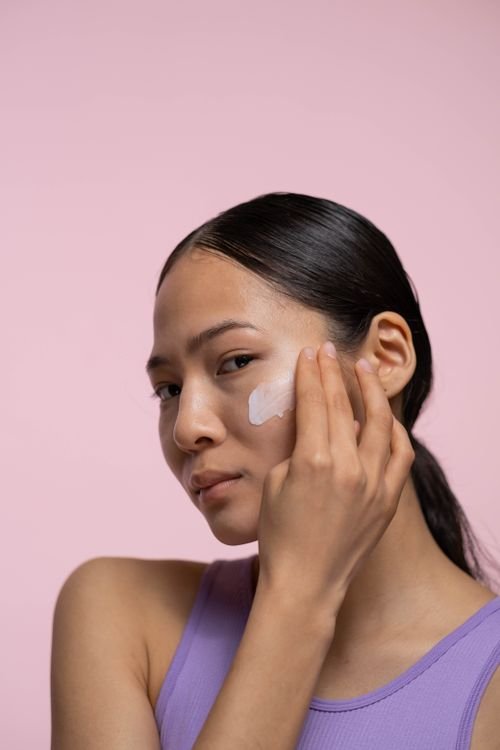
- Cleanse. Wash off the day's sunscreen, sweat and grime with a gentle facewash. Skipping this traps dirt under your cream and dulls the glow you're chasing.
- Tone. Swipe on a toner to rebalance your skin and prep it to absorb what comes next. A polishing toner also sweeps away any last traces of cleanser.
- Treat (optional). If you use a brightening serum, this is its moment. Press a few drops in and let it sink for a minute.
- Apply your night cream. Take a pea-sized amount, warm it between your fingertips, and dot it across your forehead, cheeks, nose and chin. Then smooth it outward in gentle upward strokes.
- Don't forget the edges. Carry the cream down to your jaw and the front of your neck. These spots show dullness too, and they're easy to miss.
Two small habits make a big difference. First, apply to slightly damp skin, because a little moisture helps the cream spread and absorb. Second, press rather than rub. Tugging at your skin night after night does it no favours.
More is not better. A thick layer won't brighten faster; it just sits on top, feels greasy, and can clog pores. A pea-sized amount genuinely covers your whole face. If you're unsure which formula suits your skin type, choose a lighter gel-cream for oily or combination skin and a richer one for dry skin.
Give this routine a fixed slot, like right after brushing your teeth. Skincare that fits your existing habits is skincare you'll actually keep.
Morning Versus Night: Why the Timing Matters
Your skin has two different jobs across the day, and your products should match each one. At night it repairs and renews, which is when brightening actives do their best work. By morning it needs defending, which changes what you reach for.
Think of it this way. A night routine is about feeding and fixing. A morning routine is about shielding. Load your heavy brightening cream at the wrong time, under daytime sun, and some ingredients become less stable or make skin more sun-sensitive.
So keep the split simple:
- Night: cleanse, tone, treat, then your richer brightening night cream.
- Morning: a quick cleanse or rinse, a light moisturiser, then sunscreen, every single day.
This is also why a night cream doesn't replace a day moisturiser, and the other way around. They're teammates playing different positions. If you're curious how different options compare on price and formula locally, our roundup of the best night cream in Sri Lanka with price is a handy reference.
One honest caveat: if you only have the budget or patience for one good step, make it nighttime brightening plus daytime sunscreen. Those two together beat a shelf full of products used randomly.
Who Should Use a Brightening Night Cream
A brightening night cream suits anyone dealing with dullness, uneven tone, or dark marks left behind by acne, sun or hormonal changes. It's one of the more beginner-friendly ways to work on tone, because it does its job while you sleep with zero extra effort.
You'll likely benefit if you recognise yourself here:
- You have acne marks or post-pimple spots that linger long after the breakout heals.
- Your skin looks dull or tired, especially under harsh lighting or in photos.
- You've noticed patchy pigmentation from years of Sri Lankan sun.
- You're a bride or wedding-prep shopper chasing an even, lit-from-within glow for the big day.
- You have dry or mature skin that wants both moisture and tone support overnight.
A few people should go slow. If your skin is very sensitive or reactive, start with a gentle, niacinamide-based formula rather than a strong retinol or acid blend. Patch test on your jaw for a couple of nights first. Pregnant or breastfeeding? Skip retinol and ask your doctor before adding new actives.
Teenagers with active acne often do better treating the breakouts first, then tackling the leftover marks. And if you have a specific concern like melasma that isn't budging, a brightening cream can support your routine, but a dermatologist visit is worth it.
Brides especially benefit from starting early. Glow builds over weeks, so a steady night-cream habit in the months before the wedding pays off far more than a last-minute scramble.
Combining With Sunscreen the Next Day
Sunscreen is the step that protects everything your night cream just achieved, which is why it's non-negotiable. Fresh UV exposure triggers new pigment, so skipping daytime SPF slowly undoes your overnight brightening, mark by mark.
Here's a timing detail worth planning around: nearly half of daily UV radiation is received between 10 a.m. and 4 p.m. (EPA). Those are the hours most of us are out running errands, commuting or sitting near a sunny window, so that's exactly when brightened skin needs the most cover.
Make it a simple morning sequence:
- Cleanse or rinse your face.
- Apply a light moisturiser.
- Finish with a broad-spectrum sunscreen, SPF 30 or higher.
- Reapply if you're outdoors for long stretches.
Use enough. A thin, nervous smear doesn't give the protection on the label. Aim for roughly a two-finger length for your face and neck, and don't forget your ears and the back of your neck in strong sun.
Think of brightening and sun protection as two halves of one promise. The night cream lightens; the sunscreen locks it in. Do one without the other and you're filling a bucket with a hole in the bottom. Many ingredients, kojic acid and retinol especially, make skin more sun-sensitive, so daytime SPF isn't optional once you start brightening at night.
How to Avoid the Common Mistakes
Most brightening routines stall for reasons that have nothing to do with the cream. A few simple corrections usually get things back on track and protect the money you've spent.
The biggest trap is impatience. Pigment sits in deeper layers of skin and fades slowly, so quitting at the two-week mark means bailing right before results show. Commit to at least four to eight weeks before you decide anything.
Here are the slip-ups to sidestep:
- Layering too many strong actives at once. Kojic acid, retinol and acids all on the same night can leave skin red and raw. Introduce one new active at a time.
- Applying on dirty skin. Night cream over leftover sunscreen and grime can clog pores and dull your glow instead of lifting it.
- Using too much. A thick layer wastes product and can trigger breakouts. Pea-sized is plenty.
- Forgetting daytime sunscreen. This is the single most common reason brightening results plateau.
- Switching creams every two weeks. Chopping and changing never gives any product the runway it needs to work.
Storage matters too in our climate. Heat and humidity can degrade active ingredients, so keep your creams out of direct sun, off hot windowsills, and away from steamy bathroom shelves. A cool, dark drawer is ideal.
Fix these five things and most people see their stalled routine start moving again within a few weeks.
Trying Ours and Tracking Your Glow
The best brightening night cream is the one you'll use consistently on clean skin, followed by daily sunscreen. Everything in this guide works with whatever formula you choose, and it works especially well with a gentle, brightening-focused cream made for Sri Lankan skin and weather.
At Online Beauty Bar, we stock Korean-inspired brightening night creams under our Magical, Luxury and Bridal Glow ranges, with island-wide delivery and installment-friendly prices in LKR. If you've been curious but cautious about cost, that payment flexibility makes it easier to commit to the four-to-eight-week stretch where real change happens.
Want proof you're making progress? Track it. On the night you start, take a bare-faced selfie in daylight near a window. Then snap the same photo, same spot, same light, once a week. Day to day, change is invisible. Week to week, it's surprisingly clear.
Here's your simple next step. Pick one brightening night cream, use it nightly for a month, wear sunscreen every morning, and take that weekly photo. Then let your own before-and-after decide. Browse the brightening night creams at onlinebeautybar.lk and start tonight. Your morning mirror will thank you.
Frequently asked questions
How long before a skin brightening night cream shows results?
Most people notice softer, brighter-looking skin in two to three weeks, with real changes to dark marks and dullness closer to four to eight weeks. Pigment fades slowly, so nightly consistency matters more than any single product.
Can I use a brightening night cream every single night?
Yes, most gentle brightening creams are made for nightly use. If your formula contains retinol or strong acids, start two or three nights a week, then build up as your skin adjusts to avoid dryness or flaking.
Do I still need a day cream if I use a night cream?
Yes. A night cream repairs and brightens while you sleep, but your daytime routine still needs a moisturiser and, most importantly, sunscreen. Without daily SPF, fresh UV undoes the brightening work your night cream is doing.
Can a night cream alone remove dark spots?
A brightening night cream can fade mild dullness and dark marks over time, but stubborn pigmentation often needs sunscreen, patience and sometimes a targeted serum too. Think of the cream as one steady part of a routine, not a one-night fix.
Pingback: How Skin Whitening Creams Actually Work