

Key takeaways
- A night cream is a richer moisturizer that seals in hydration and supports your skin while it repairs itself overnight.
- Your skin loses more water and does most of its repair work at night, which is exactly when a heavier cream helps most.
- Tight, flaky, or dull skin in the morning is usually a sign you need richer night care.
- A simple four-step night routine (cleanse, tone, treat, moisturize) is enough for most people to see a difference.
- Match your night cream to your skin type: lighter gel-creams for oily skin, richer creams for dry or mature skin.
A night cream is a richer moisturizer you apply before bed to seal in hydration and support your skin while it repairs itself overnight. If your face feels tight, looks dull, or flakes by morning, that is usually the gap a good night cream fills.
Here is the thing most of us never got told. Your skin is not idle while you sleep. It is one of the busiest shifts your body runs. A night cream is simply the support crew for that work.
In this post you will learn what happens to your skin overnight, how a night cream differs from your day cream, the signs you need richer care, a simple four-step routine, and how to pick the right formula for your skin type. Let's get into it.
How your skin repairs itself while you sleep
Think of your skin like a shop. During the day it is open to customers: sun, pollution, sweat, makeup, your phone screen pressed to your cheek. It spends the daylight hours defending itself.
At night, the shutters come down and the real work begins.
While you sleep, your skin shifts into repair mode. Cell renewal, the process where tired surface cells are pushed off and fresh ones take their place, speeds up overnight. This is why you often wake up looking a little brighter than you did at midnight. Your skin has been quietly resurfacing itself.
A few things happen during this night shift:
- Cell turnover ramps up. Skin cells divide and renew more actively in the evening and overnight hours than during the day.
- Repair goes into overdrive. Your skin works to mend the small damage from daytime UV and pollution.
- Blood flow to the skin increases. More blood means more oxygen and nutrients delivered to skin cells.
- Your skin gets thirstier. This is the part most people miss, and it matters a lot for night cream. More on that next.
The catch is that all this repair happens best when your skin is hydrated and comfortable. A dry, tight barrier cannot do its job well. That is where night care earns its place.

Why your skin loses more moisture at night
This is the single best reason to use a night cream, so it deserves its own section.
Your skin loses water through its surface all day and night. That process has a name: transepidermal water loss. In plain terms, it is moisture escaping from inside your skin into the air. Skin-science research has long shown that this water loss tends to be higher in the evening and overnight than it is in the morning.
So picture it. Right when your skin is busiest repairing itself, it is also leaking more moisture than usual. In a hot, humid climate like Sri Lanka's you might not feel parched, but your skin barrier is still working hard through the night.
A night cream does one simple, powerful thing here. It forms a soft seal on top of your skin that slows that water escaping. Your skin stays hydrated through the night, the repair work goes smoother, and you wake up to softer skin instead of a tight, papery face.
If you want to understand the barrier itself, our guide on how to fix a damaged skin barrier naturally breaks the whole thing down in simple steps.
What a night cream does differently from a day cream
People often assume all moisturizers are basically the same jar with different labels. They are not. Day creams and night creams are built for two different jobs.
A day cream is designed to protect. It is usually lighter so it sits well under makeup, and the best ones include or pair with sun protection. Its main task is to shield your skin from the day ahead.
A night cream is designed to repair and nourish. Because you are not layering makeup or stepping into the sun, a night cream can afford to be richer and more concentrated. It leans into moisture and recovery.
Here is how they usually differ:
- Texture. Night creams are generally thicker and more buttery. Day creams are lighter and faster-absorbing.
- Ingredients. Night creams often carry more nourishing and active ingredients, since there is no sunlight to react with them and more hours for them to work.
- No SPF. A night cream skips sun protection because you do not need it while you sleep. A good day routine, on the other hand, should include it.
- The goal. Day cream defends. Night cream rebuilds.
There is a practical bonus too. Your skin tends to absorb products more readily at night, so the nourishing ingredients in a night cream have a better chance to sink in and do their job.
The American Academy of Dermatology notes that richer formulas are the more effective choice when your skin needs real moisture, advising that "ointments and creams add more moisture to skin and are more effective than lotions." That is exactly the logic behind a night cream: richer texture, more comfort, better overnight hydration. You can read the AAD's full dry-skin guidance here.
Not sure how to judge a cream's texture before you buy? A quick press-test on the back of your hand tells you a lot: a night cream should feel cushiony and take a moment to sink in, not vanish instantly like a watery lotion.
Signs your skin is asking for richer night care
Your skin is pretty good at telling you what it needs. You just have to know the signals. Here are the common ones that point to a night cream.
You wake up with tight or flaky skin. If your face feels stretched the moment you open your eyes, or if you see little flakes near your nose and cheeks, your skin dried out overnight. A night cream slows that loss.
Your skin looks dull by morning. Hydrated skin reflects light and looks fresh. Dehydrated skin looks flat and tired. If your glow fades by sunrise, richer night care often brings it back.
Fine lines look more obvious in the morning. Dehydrated skin makes fine lines and creases look deeper. Moisture plumps them back out.
Your current moisturizer disappears too fast. If you apply cream at night and feel dry again within an hour, the formula is too light for your skin. Time to go richer.
The weather or your routine changed. Air conditioning, long flights, a new strong active like retinol, or the end of a humid season can all leave your skin needing more support at night.
If several of these sound familiar, your skin is asking for help during its busiest hours. A night cream is the simplest answer.
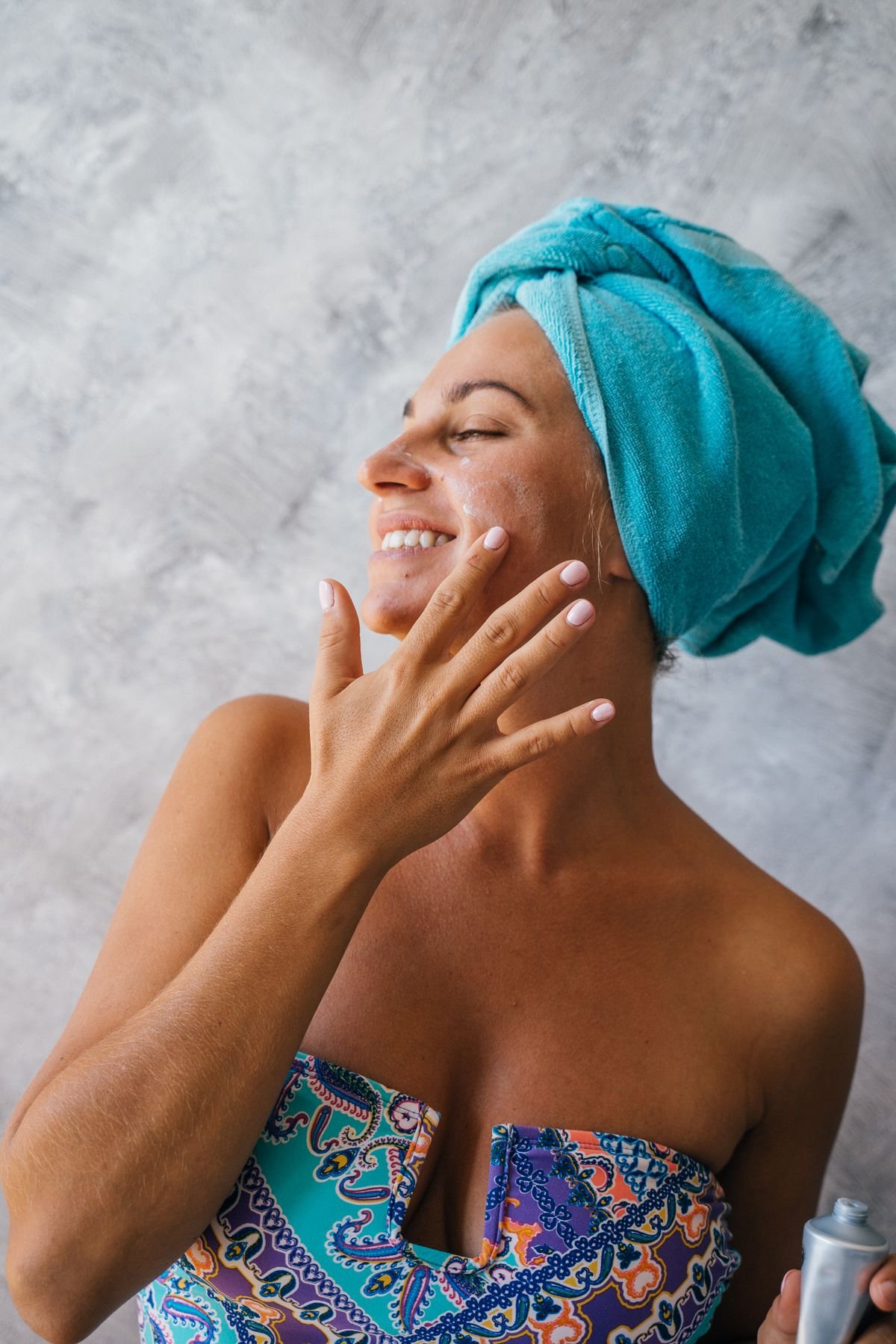
A simple 4-step night routine anyone can follow
You do not need ten bottles on your shelf. A beginner-friendly night routine is four steps, and a night cream is the final one that locks everything in. Here is the order, with why each step matters.
Step 1: Cleanse
Wash the day off. Makeup, sunscreen, sweat, and pollution all build up on your skin, and leaving them on overnight can clog pores and dull your face. The AAD specifically recommends washing before bed to remove makeup and grime like smog, smoke, and dirt. Use a gentle facewash that does not leave your skin squeaky and tight.
Step 2: Tone
A toner rebalances your skin after cleansing and preps it to absorb the next layers. Think of it as the primer before the paint. Pat it in with your hands rather than dragging it on with a cotton pad, which wastes product and tugs at your skin.
Step 3: Treat (optional)
This is where you add a targeted product if you have a specific concern: a serum for brightness, a spot treatment for acne, or an eye cream. Beginners can skip this step entirely and still get great results. Keep it simple while you build the habit.
Step 4: Moisturize with your night cream
This is the step that seals everything in. Apply your night cream last, while your skin is still slightly damp from toning, since moisturizer holds hydration best on damp skin. Use an amount about the size of a small coin. Warm it between your fingers, then press and smooth it over your face and neck using gentle upward motions.
That is the whole routine. Four steps, a few minutes, every night. Consistency beats complexity every single time. If even four steps feels like a lot on a tired evening, drop the treat step and keep cleanse, tone, and moisturize as your non-negotiable three.
Choosing a night cream for your skin type
Here is where people go wrong. They buy the richest, most luxurious cream they can find, then wonder why their oily skin breaks out. The best night cream is the one that matches your skin, not the heaviest jar on the shelf.
Oily or acne-prone skin. You still lose water at night, so you still need a night cream. Just reach for a lighter gel-cream texture instead of a heavy balm. Look for words like lightweight, water-based, or non-comedogenic (meaning it is formulated not to clog pores). Our dedicated guide on choosing a night cream for oily skin goes deeper.
Dry or sensitive skin. This is where a rich, buttery cream shines. Look for nourishing ingredients and a thicker texture that stays comfortable through the night. Richer formulas, as the AAD points out, hold more moisture than thin lotions.
Combination skin. You can use one balanced cream all over, or apply a lighter amount on your oilier T-zone and a bit more on your dry cheeks. This multi-zone trick is a simple way to keep everyone happy.
Mature or dull skin. Go for a cream focused on deep nourishment and overnight recovery. These formulas lean into moisture and comfort, so you wake up looking rested.
Bridal or event prep. If you are building up to a big day, start a consistent night-cream habit several weeks early so your skin is at its best. Give yourself at least a month so the routine has time to show.
One honest tip: whatever you choose, give it time. Your skin renews on its own schedule, and real change in texture and brightness usually takes four to six weeks of nightly use. Do not judge a cream after three days.
Finding your night cream at Online Beauty Bar
If you are ready to add a night cream to your routine, we have a couple of options worth a look.
Our Magical night cream is a comfortable everyday choice, a nourishing Korean-inspired formula that suits most skin types looking for softer, more hydrated mornings. It is a gentle place to start if this is your first dedicated night cream.
For skin that wants a little more, our Luxury Glow night care steps up the richness and overnight nourishment, ideal for dry, tired, or event-prep skin that needs extra comfort through the night.
Both come with island-wide delivery and installment-friendly pricing, so good night care fits your budget as well as your routine. Whatever you pick, make sure it is the genuine product, since results depend on the real formula working through the night.
Your skin does its most important work while you sleep. Tonight, after you cleanse and tone, give it the one thing it is quietly asking for: a layer of moisture to seal the repair in. Pick the texture that matches your skin, apply it to slightly damp skin, and let your night shift do the rest. Start with one jar, stay consistent for a month, and let your morning mirror show you the difference.
Frequently asked questions
Can I just use my day cream at night?
You can, but a day cream is usually lighter and often skips the richer repair ingredients. A dedicated night cream gives your skin more moisture during the hours it needs it most.
Do I still need a night cream if my skin is oily?
Yes. Oily skin still loses water overnight. Choose a lightweight gel-cream instead of a heavy balm so you hydrate without feeling greasy.
How long before I see results from a night cream?
Most people notice softer, less tight skin within a few mornings. Visible changes in texture and brightness usually take four to six weeks of consistent use.
Should I apply night cream to wet or dry skin?
Apply it to slightly damp skin, right after toning. The American Academy of Dermatology notes moisturizer works best on damp skin because it helps seal water in.
Is a night cream safe to use every night?
For most people, yes. If you use strong actives like retinol, start two or three nights a week and build up slowly to avoid irritation.