
Key takeaways
- A beginner Korean routine needs only five steps: cleanse, tone, treat, moisturise and protect.
- Sri Lanka's heat and high humidity mean lightweight, hydrating layers beat heavy creams.
- Daily sunscreen matters most. The AAD says SPF 30 blocks 97% of UVB rays.
- You can build a working routine with three or four products, not ten.
- Add one new product at a time and give each at least two weeks before you judge it.
Skincare with Korean products works best when you keep it simple: cleanse, add light hydration, and protect your skin from the sun every single day. You do not need a ten-step shelf or a big budget to get the famous Korean glow, especially in Sri Lanka's heat.
K-beauty earned its reputation by treating skincare as a daily habit rather than a quick fix. The approach suits our climate well, because so many Korean formulas are light, water-based and layerable. This guide walks you through why these products fit Sri Lankan skin, the five core steps, how to build a routine without overspending, the mistakes most beginners make, and a few easy starter picks.
Let me show you how to start.
Why Korean Skincare Suits Sri Lankan Skin and Climate
Our weather is hot and sticky for most of the year. Colombo stays warm with high humidity across almost every month, so heavy, greasy creams tend to sit on the skin in that kind of air. They clog pores and leave you shiny by noon.
Korean skincare leans the other way. Many products are thin, water-based and built to be layered in small amounts. Think light essences, gel moisturisers and serums you can pat in without feeling suffocated. That texture is a natural match for humid Sri Lankan days.
K-beauty is also a serious global category, not a passing trend. The Korean beauty products market was valued at USD 14.74 billion in 2025 and is projected to reach USD 30.54 billion by 2034, according to Straits Research. A market that size means steady innovation, wide availability and plenty of gentle, affordable options for beginners.
For Sri Lankan skin concerns like acne, oiliness, pigmentation and uneven tone, this style of skincare gives you room to target one issue at a time without overwhelming your face.
The Five Core Steps: Cleanse, Tone, Treat, Moisturise, Protect
People hear "Korean routine" and picture an intimidating lineup of bottles. The truth is simpler. Nearly every K-beauty routine, long or short, follows the same five jobs in order.
1. Cleanse
Cleansing removes sweat, sunscreen, oil and dirt so everything after it can actually work. At night, many people double cleanse: an oil-based cleanser first to melt off sunscreen and grime, then a gentle water-based wash. In the morning, a single mild cleanse is usually enough.
2. Tone
A toner resets your skin after cleansing and adds the first layer of hydration. Korean toners are often watery and soothing rather than the harsh, alcohol-heavy types some of us grew up with. A polishing or hydrating toner preps the skin to absorb what comes next.
3. Treat
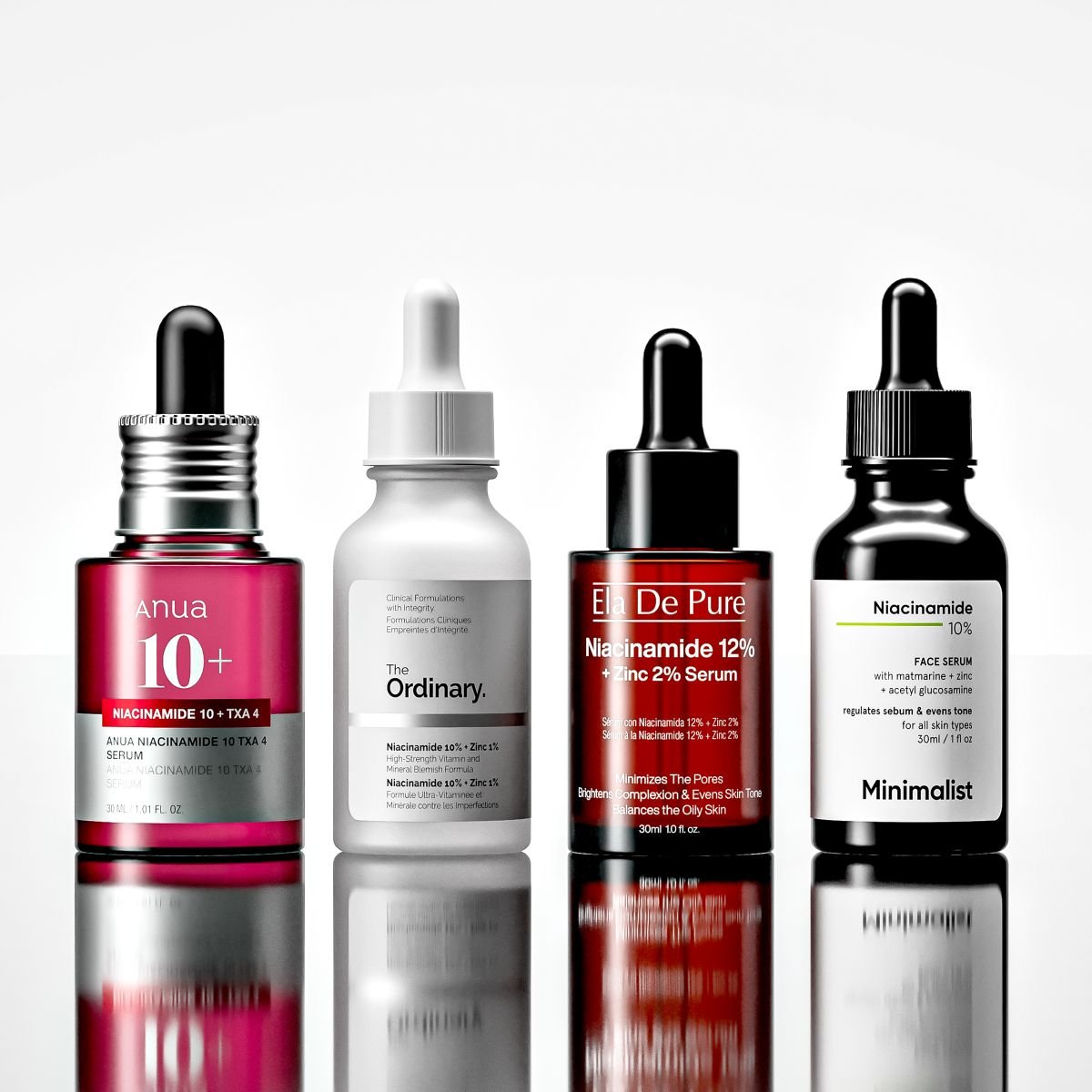
This is where you target a specific concern with a serum or essence. Vitamin C for brightness, niacinamide for oil control and marks, or a hydrating essence for dry patches. Beginners only need one treatment product, chosen for their main worry.
4. Moisturise
Moisturiser seals in all that hydration and keeps the skin barrier healthy. Oily and acne-prone skin does better with a light gel. Dry or sensitive skin can use a richer night cream after dark, when the skin repairs itself.
5. Protect
Sunscreen is the final morning step and the one that protects everything else you do. More on why it matters so much in a moment.
Morning vs Night: A Simple Daily Routine
The same five jobs split naturally across your day. Here is a clean version you can follow from tomorrow.
Morning routine:
- Gentle cleanse to wake the skin up.
- Hydrating toner, patted in.
- A light treatment serum if you use one.
- Lightweight moisturiser.
- Sunscreen, applied generously.
Night routine:
- Oil cleanser to remove sunscreen and the day's grime.
- Water-based cleanser for a deeper clean.
- Toner.
- Treatment serum for your main concern.
- A richer moisturiser or night cream.
Notice that sunscreen only appears in the morning, and your heavier creams move to the night slot. That split keeps your skin comfortable in the heat during the day and lets it recover overnight.
Why Daily Sunscreen Is Non-Negotiable Here
If you do nothing else in this guide, do this one. Sri Lanka sits close to the equator and gets intense sun year-round. The UV index in Colombo reaches a maximum of 9, which falls in the "very high" range, based on WHO-sourced UV data. At that level, unprotected skin can start to burn in a short time.
Sun exposure is also the main driver of the pigmentation, dark spots and premature ageing that so many people try to fix with creams. Protecting your skin is cheaper and far more effective than treating the damage later.
The American Academy of Dermatology recommends sunscreen of SPF 30 or higher, which blocks 97% of the sun's UVB rays, as noted in their sunscreen guidance. Apply it every morning as your last step, and reapply if you are outdoors for long stretches. Korean sunscreens are popular precisely because they feel light and sit well under daily wear, which makes the habit easier to keep.
How to Build a Simple Routine Without Overspending
You can start a real Korean routine with three products. Everything else is an upgrade you add later.
Here is the budget-friendly path:
- Start with three essentials. A gentle cleanser, a moisturiser for your skin type, and a daytime sunscreen. These three alone will improve most beginners' skin.
- Add a toner next. Once the basics feel like a habit, a hydrating or polishing toner is the most useful fourth step.
- Add one treatment last. Pick a single serum for your biggest concern, whether that is acne marks, dullness or dryness.
A few ways to keep costs down:
- Buy combo packs or bundles instead of individual full-size products. They usually cost less per item and let you test a small routine at once.
- Use installment-friendly payment if a bundle stretches your budget. At Onlinebeautybar, you can split payments and still get island-wide delivery, which makes starting out easier.
- Resist buying every trending product. A smaller routine you actually finish beats a crowded shelf of half-used jars.
If you want a structured way to ease in, our 30-Day Korean Skincare Challenge breaks the first month into small, manageable steps.
Common Beginner Mistakes and How to Avoid Them
Most skincare disappointments come down to a handful of avoidable errors. Here are the ones I see most often.
Doing too much, too fast. Starting ten products in one week overwhelms your skin and makes it impossible to tell what caused a reaction. Add one new product at a time.
Switching products before they can work. Skin renews itself over roughly a month, so real results take four to six weeks. Give each product at least two weeks before you decide it failed.
Skipping sunscreen. This undoes every brightening or anti-mark product you buy. If your tone looks uneven despite a good routine, missing sunscreen is often the reason.
Over-exfoliating. Scrubbing or using strong acids daily strips the skin barrier, which leads to redness, sensitivity and more breakouts. Two to three gentle exfoliation sessions a week is plenty for most people.
Ignoring the ingredient label. Choosing products on packaging or hype alone leads to mismatches. Oily skin wants light, non-comedogenic gels; dry skin wants richer creams.
Buying from unreliable sellers. Counterfeit and expired skincare is common online. If you are new to shopping this way, check the seller's reviews, delivery terms and product details before you pay.
Easy Starter Picks From Our Korean-Inspired Range
You do not have to guess which products to begin with. Here are simple, beginner-friendly picks from the Korean-inspired Onlinebeautybar range, grouped by concern.
For acne and acne marks: A gentle whitening facewash to keep pores clear, paired with a light night cream that works on marks while you sleep. Start with the cleanser first, then add the treatment.
For brightening and uneven tone: A kojic or coffee glow soap for the body and a polishing toner for the face. These fade dullness gradually, with sunscreen doing the heavy lifting during the day.
For dry or sensitive skin: A hydrating night cream is your anchor. Keep the daytime routine light, then let a richer cream do its work overnight.
For a bridal or special-occasion glow: Our Bridal Glow and 24k gold-inspired sets bundle the steps together, which takes the guesswork out of prepping skin before a big day.
Whichever concern you start with, pick one target and one routine. You can always expand once your skin settles into the habit.
Putting It All Together
The quickest way to start is to order three products today: a gentle cleanser, a moisturiser for your skin type, and a sunscreen of SPF 30 or higher. Use them every day for a month, add sunscreen to your morning without fail, and resist the urge to pile on more too soon.
Once those three feel automatic, add a toner, then a single treatment serum for your main concern. That is a complete, Sri Lanka-ready Korean routine built on habit rather than hype. Browse the beginner bundles at Onlinebeautybar, pick the one that matches your skin, and give it a steady month. Your skin will tell you the rest.
Frequently asked questions
How many Korean skincare products do I actually need to start?
Three is plenty. A gentle cleanser, a moisturiser and a daytime sunscreen cover the basics. Add a toner or a treatment serum later once your skin is used to the routine.
Are Korean skincare products good for oily, acne-prone skin in a hot climate?
Yes. Many Korean formulas are water-based and lightweight, which suits humid weather and oily skin better than thick creams. Look for gel textures and non-comedogenic labels.
Can I use Korean skincare products morning and night?
Yes, but the steps differ. Mornings focus on cleansing, light hydration and sunscreen. Nights focus on a deeper cleanse, treatment and a richer moisturiser while skin repairs.
How long before I see results from a Korean skincare routine?
Give it four to six weeks of daily use. Skin turns over roughly every month, so real changes in tone, texture and breakouts take at least that long to show.