
Key takeaways
- Bleaching agents like high-dose hydroquinone, mercury and strong steroids can thin and damage your skin barrier, sometimes making dark patches worse over time.
- Gentle brighteners such as niacinamide, vitamin C, alpha arbutin and licorice even your tone slowly without stripping your skin.
- The U.S. FDA says there are no FDA-approved over-the-counter skin lightening products, so treat any cream promising overnight whitening with caution.
- A safe glow comes from daily sunscreen, consistent gentle care and patience, not from fast-acting bleach.
- Korean-inspired whitening creams focus on brightening and hydration, which suits Sri Lanka's warm, humid climate better than harsh lighteners.
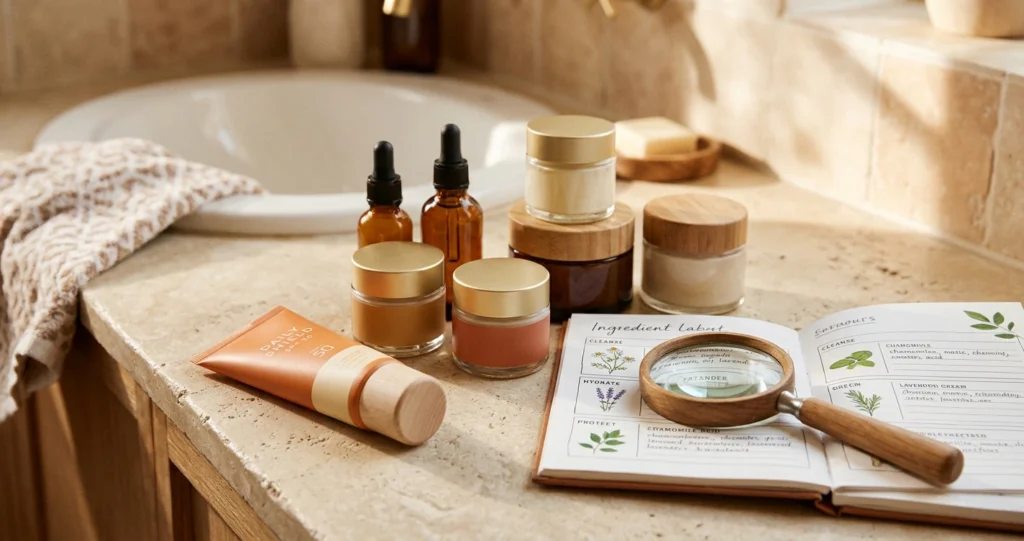
If you want brighter, more even skin without stripping it, the answer is a cream built on gentle brighteners like niacinamide, vitamin C, alpha arbutin and licorice, not bleach. These ingredients fade dark spots and lift dullness over a few weeks while keeping your skin barrier healthy, which matters a lot in Sri Lanka's heat and sun.
Here is the thing most whitening ads will not tell you. The creams that promise to lighten you in three days usually do it by force, and your skin pays for it later. In this guide, you will learn why bleaching creams can backfire, which ingredients brighten safely, how to read a label like a pro, and a simple routine that gives you a natural glow without the drama. Let me walk you through it.
Why Bleaching Creams Can Harm Your Skin Barrier
Your skin has a protective outer layer called the skin barrier. Think of it as a wall that keeps moisture in and irritants out. When that wall is strong, your skin looks plump, calm and even. When it breaks down, you get dryness, redness, breakouts and, ironically, more dark patches.
Harsh bleaching creams tear at that wall. Here is what the common offenders actually do.
- High-dose hydroquinone. It blocks the enzyme that makes pigment. Used carelessly or for too long, it can cause a stubborn blue-black discolouration called ochronosis, which is very hard to reverse.
- Mercury. Still found in some illegal lightening creams, it damages the skin and can harm your kidneys and nervous system over time.
- Strong steroids. Creams like clobetasol thin your skin, cause visible blood vessels, and trigger rebound darkening once you stop.
The U.S. Food and Drug Administration is blunt about this. It states that there are no FDA-approved or legally marketed over-the-counter skin lightening products, and that OTC products containing hydroquinone have not been approved for safety or effectiveness. That is a strong signal to be careful with anything sold on a street corner or a sketchy page with no ingredient list.
The FDA has also found mercury levels as high as 19,027 parts per million in a seized bleaching cream, when the globally accepted limit for cosmetics is just 1 part per million. That is not a small overshoot. It is thousands of times over the line.
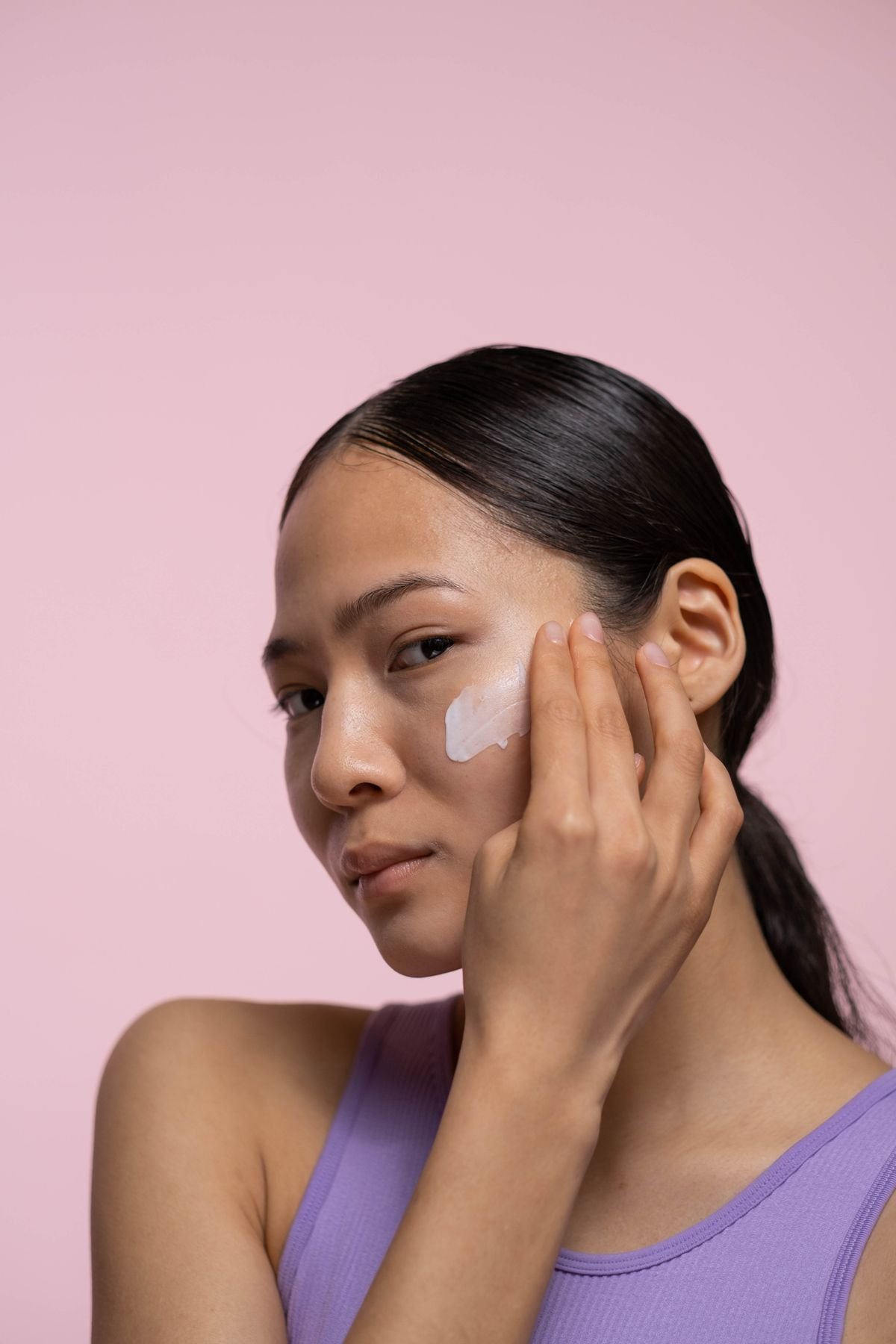
The cruel twist is that a damaged barrier often looks darker, not lighter. Irritated skin produces more pigment to protect itself. So the cream that promised to whiten you can leave you with uneven patches, sensitivity and a tone that is harder to fix than when you started.
Gentle Brightening Ingredients That Even Tone Safely
Good news: you do not need bleach to fade dark spots. Several well-studied ingredients brighten your skin by calming pigment production and speeding up cell turnover, all without wrecking your barrier. Here are the ones worth knowing.
Niacinamide (vitamin B3). This is the workhorse of gentle brightening. It slows the transfer of pigment to your skin's surface, so dark spots fade gradually. It also strengthens your barrier and reduces redness, which makes it friendly for sensitive and acne-prone skin. In clinical studies on melasma, niacinamide has performed close to hydroquinone with far fewer side effects.
Vitamin C. A classic antioxidant that fades dullness, softens dark marks and protects against sun damage. It pairs beautifully with sunscreen during the day.
Alpha arbutin. A gentler cousin of hydroquinone. It eases dark spots and post-acne marks without the harshness, which makes it a favourite in Korean brightening formulas.
Licorice root extract (glabridin). Soothing and brightening at once. It calms inflammation while quietly fading pigmentation, so it suits reactive, easily irritated skin.
Kojic acid. Derived from fermented rice and mushrooms, it targets melanin and works well in soaps and creams for a slow, even fade. Use it in moderation, since high concentrations can irritate.
Tranexamic acid. A newer favourite for stubborn melasma and dark patches. It works on the pigment pathway from a different angle and layers well with niacinamide.
Here is the mindset shift. Bleach tries to strip colour away fast. These ingredients coax your skin into making less excess pigment while keeping it healthy. The result is slower, but it looks natural and it lasts.
How to Read Labels and Avoid Harsh Agents
Flipping a product over and reading the ingredient list is the single best skill you can build as a shopper. You do not need a chemistry degree. You just need to know the red flags and the green flags.
Red flags to avoid
- Hydroquinone at high percentages, or listed without a percentage at all.
- Mercury, mercurous chloride, calomel, mercuric, or mercurio. If you see any of these, put it down. Mercury is banned in cosmetics in most countries.
- Strong steroids such as clobetasol, betamethasone or clobetasone, unless a doctor prescribed it for a specific condition.
- No full ingredient list, no brand name, no manufacturer address. A legitimate product tells you what is inside.
- Promises of whitening in 3 to 7 days. Real, safe brightening takes weeks. Anything faster is usually doing something harsh.
Our deep dive on whether 7-day whitening night creams really work explains why those overnight claims rarely hold up and what to look for instead.
Green flags to look for
- A clear, full ingredient list (INCI names) printed on the pack.
- Gentle actives near the top: niacinamide, vitamin C (ascorbic acid or derivatives), alpha arbutin, licorice extract, kojic acid, tranexamic acid.
- Supporting hydrators like hyaluronic acid, glycerin, ceramides and plant oils that protect your barrier.
- SPF in a daytime formula, or a clear note to wear sunscreen alongside it.
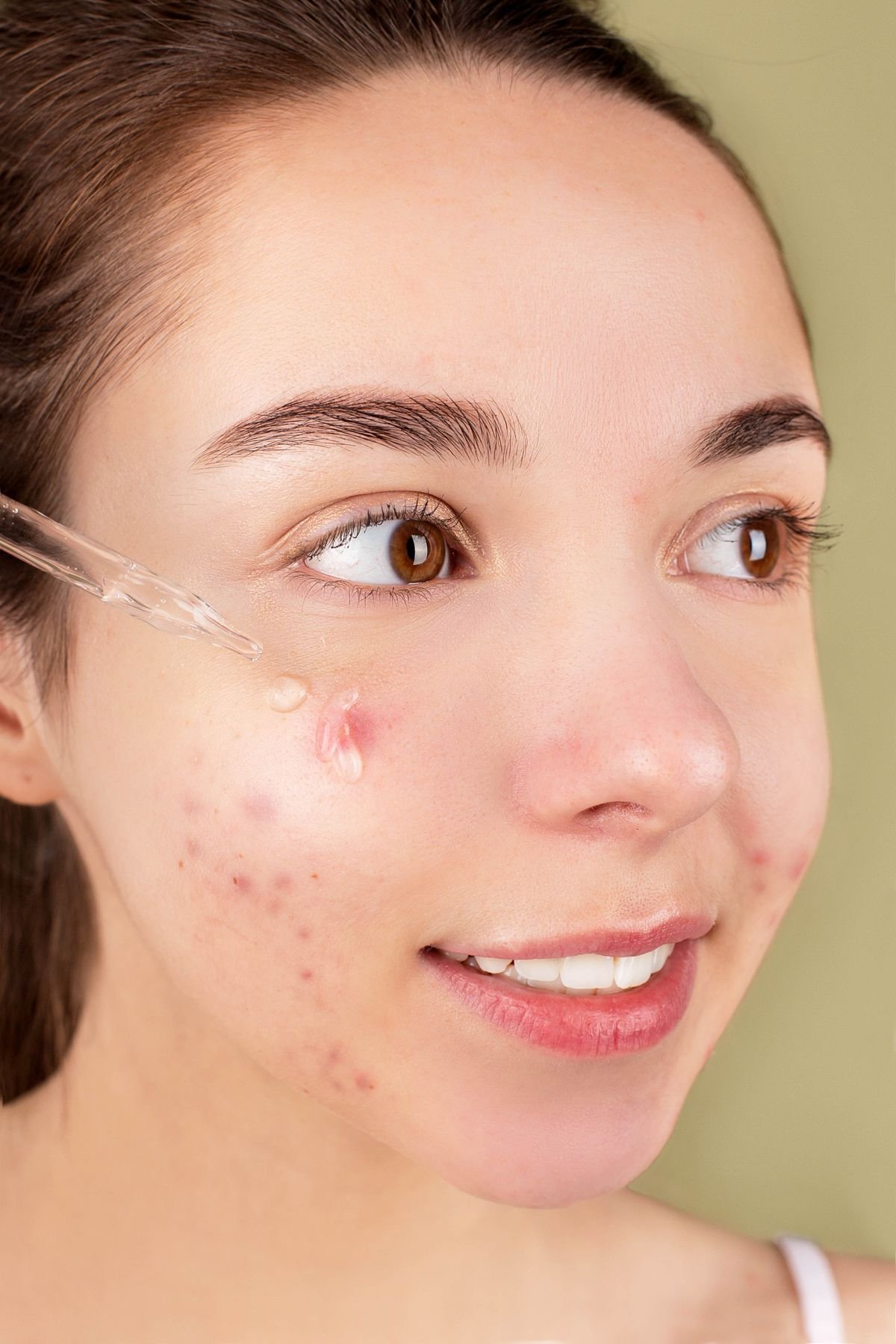
One quick habit: do a patch test. Dab a small amount on your inner forearm or behind your ear for two or three nights before you put it on your face. If it stings, burns or turns red, that cream is not for you.
A Safe Routine for Gradual, Natural-Looking Glow
A glow-up is built on consistency, not intensity. You do not need ten products. You need a handful of good ones used the right way, morning and night. Here is a beginner-friendly routine you can start this week.
Morning routine
- Cleanse. Use a gentle face wash to remove overnight oil. Keep it mild so you do not strip your skin.
- Vitamin C or niacinamide serum (optional). A few drops to brighten and protect.
- Moisturiser. Lock in hydration with something light for day.
- Sunscreen, SPF 30 or higher. This is the non-negotiable step. Sun exposure is the number one reason dark spots come back, so skipping sunscreen undoes all your hard work.
Night routine
- Cleanse. Wash off sunscreen, sweat and the day's grime.
- Toner. A hydrating or lightly exfoliating toner preps your skin to absorb the next steps.
- Brightening treatment. This is where your non-bleaching whitening cream or serum goes to work while you sleep. Apply a thin, even layer and let it absorb before the next step.
- Moisturiser or night cream. Seal everything in and let your skin repair overnight.
A few practical tips to make it stick:
- Introduce one active at a time. Start niacinamide this week, add vitamin C in two weeks. Piling on everything at once is the fastest way to irritate your skin.
- Give it time. Most people see a brighter, more even tone in four to eight weeks. Deeper acne marks and pigmentation can take three months or more.
- Be gentle. No harsh scrubbing, no picking at spots, no layering five actives. Calm skin brightens better.
- Hydrate from the inside. Water, sleep and a decent diet show on your face more than any single cream.
If you want a structured way to build the habit, set a simple reminder and treat the first 30 days as a trial run. Consistency over a month tells you far more than a single week.
Why Korean-Inspired Formulas Suit Sri Lankan Skin
Korean skincare, often called K-beauty, took off for a reason. Instead of chasing instant whitening, it focuses on long-term skin health: hydration, barrier repair and gentle brightening layered over time. That philosophy fits Sri Lanka's climate well.
Our weather is warm and humid, with strong year-round sun. Heavy, greasy or harsh creams can clog pores and trigger breakouts here. Lightweight, water-based Korean-style formulas feel comfortable in the heat and still deliver brightening ingredients like niacinamide, arbutin and rice extracts.
The other advantage is the mindset. K-beauty treats glow as a result of healthy skin, not bleached skin. You brighten by fading spots gently and protecting your barrier, so your natural tone looks its clearest and most radiant rather than artificially pale.
If you are comparing options before you commit, focus on the ingredient list and the reviews rather than the brightest promise on the front of the pack.
Common Mistakes That Keep Dark Spots Around
Even with the right cream, a few habits can quietly sabotage your progress. Watch out for these.
- Skipping sunscreen. The most common one. Every missed day of SPF lets the sun darken the spots you are trying to fade.
- Switching products too fast. Give a cream at least six to eight weeks before you decide it is not working. Jumping around confuses your skin.
- Over-exfoliating. Scrubbing daily or using strong acids too often inflames your skin and triggers more pigment.
- Chasing "instant" results. The faster a cream promises to whiten, the more likely it relies on harsh agents. Slow is safe.
- Ignoring your whole face. Treat dark spots, but also hydrate and protect the skin around them so your tone stays even.
- Not patch testing. A two-minute test can save you weeks of recovery from a reaction.
Fix these and your gentle whitening cream gets a real chance to do its job.
Our Non-Bleaching, Korean-Inspired Whitening Picks
At Onlinebeautybar, our whitening range is built around the gentle-brightening approach, not bleach. Our Magical, Luxury and Bridal Glow lines lean on ingredients like niacinamide, vitamin C, kojic and plant extracts to brighten and even your tone while keeping your skin comfortable in Sri Lanka's heat.
Here is how to think about choosing:
- For everyday dullness and uneven tone: a lightweight brightening night cream with niacinamide or vitamin C. Use it nightly and pair with sunscreen by day.
- For acne marks and post-breakout spots: look for alpha arbutin and niacinamide, which fade marks without aggravating acne-prone skin.
- For a bridal glow before a big day: start a gentle brightening and hydrating routine six to eight weeks ahead. Slow and steady beats a last-minute harsh cream that could flare your skin right before the event.
- For a full-body even tone: a non-bleaching body whitening cream keeps arms, legs and neck matched with your face.
Everything ships island-wide, with affordable, installment-friendly pricing in LKR, and our product pages show real customer reviews so you can see how a cream performed for people with skin like yours.
Your Next Step Toward a Safe, Natural Glow
Pick one gentle brightening cream, start the simple night routine above, and commit to daily sunscreen for the next eight weeks. That single combination does more for an even, healthy tone than any cream promising to whiten you overnight.
When you are ready to choose, browse the Onlinebeautybar whitening range, read the ingredient list and the customer reviews, and start with one product that matches your main concern. Give your skin a little patience, and let the glow come the right way.
Frequently asked questions
Is a non-bleaching whitening cream really effective in Sri Lanka?
Yes. Gentle brighteners like niacinamide, vitamin C and alpha arbutin fade dark spots and even your tone over several weeks. They work slower than bleach but the results last and your skin stays healthy.
How do I know if a whitening cream contains bleaching agents?
Check the ingredient list for hydroquinone, mercury, mercurous chloride, calomel or strong steroids like clobetasol. Avoid creams with no ingredient list, no brand details, or claims of whitening in three to seven days.
How long before a non-bleaching whitening cream shows results?
Most people notice a brighter, more even tone in four to eight weeks of daily use. Deeper pigmentation and acne marks can take three months or more. Daily sunscreen speeds everything up.
Can I use a whitening cream if I have sensitive skin?
Yes, if you pick gentle ingredients and patch test first. Niacinamide and licorice suit sensitive skin well. Introduce one active at a time and skip anything that stings, burns or turns your skin red.