
Key takeaways
- A toner preps and balances skin, an essence adds a light layer of hydration, and a serum delivers concentrated active ingredients.
- Layer from the thinnest texture to the thickest: cleanser, then toner, then essence, then serum, then moisturiser, then sunscreen in the morning.
- You do not need all three to start. Pick the one that matches your main skin concern and build from there.
- Skincare is the single largest category in the K-beauty market, at 31.4% of revenue in 2025 (Global Market Insights).
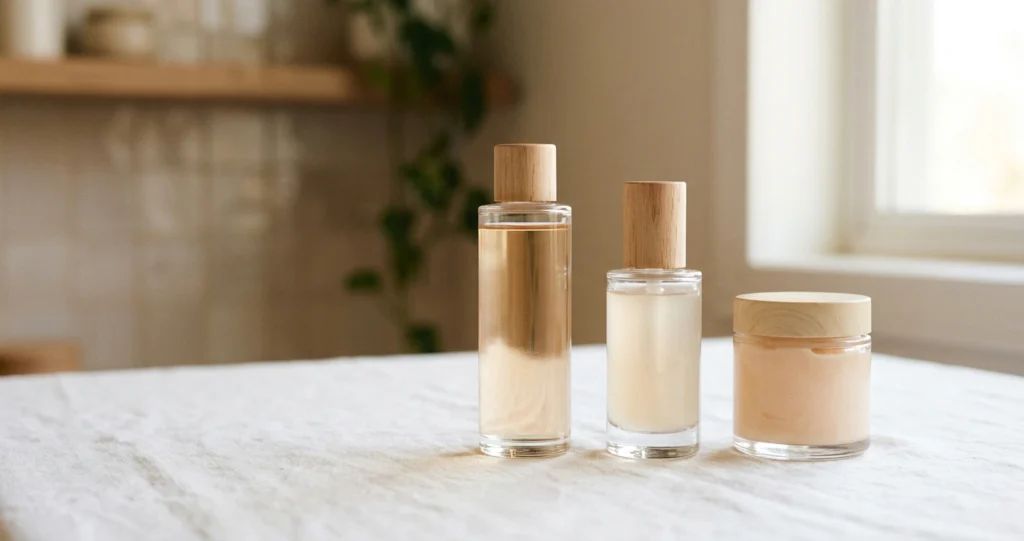
The toner vs essence vs serum question has a short answer: a toner balances and preps your skin, an essence adds a thin layer of hydration, and a serum delivers a concentrated hit of active ingredients for one specific concern. That is the whole difference in a single sentence, and once it clicks, the shelf of bottles at every K-beauty store stops looking so confusing.
Still, the three get mixed up constantly. The labels sound similar, the bottles look alike, and the marketing rarely explains what each step is actually for. So let's walk through it slowly, the way a friend behind a beauty counter would.
Skincare is the biggest slice of the Korean beauty world, making up 31.4% of K-beauty revenue in 2025 (Global Market Insights, 2025). Toners, essences, and serums sit right at the heart of that. Here is how to tell them apart and use them without wasting money.
What Exactly Is a Toner?
A toner is a thin, water-like liquid you use right after cleansing to balance your skin and prep it for everything that follows. Think of it as the step that resets your face. It wipes away the last traces of cleanser, softens the skin, and helps the next products sink in better.
Old-school toners were harsh and alcohol-heavy. They stung, and they left your face tight. Korean toners took a different path. Most are gentle, hydrating, and built to comfort rather than strip.
There are two broad types worth knowing:
- Hydrating toners. These flood the skin with light moisture. Great for dry or dehydrated skin.
- Polishing or exfoliating toners. These use mild acids to gently clear dead skin and smooth texture. Helpful for dullness, bumps, and clogged pores.
You apply toner one of two ways. Pour a little onto a cotton pad and sweep it across your face, or press a few drops straight into your skin with your palms. The palm method wastes less product, which your wallet will thank you for.
If toner is the step you want to get right first, our best face toner buyer's guide breaks down what to look for before you buy.
What Is an Essence, and Why Do Koreans Love It?
An essence is a lightweight, watery layer of hydration that sits between your toner and your serum. It is the step most non-Korean routines skip, and it is also the one many people fall in love with once they try it. The texture is somewhere between water and a light gel.
The job of an essence is simple. It delivers a gentle dose of hydration and skin-conditioning ingredients so your skin stays plump and bouncy. It is not trying to fix one dramatic problem. It is building a healthy, well-watered base.
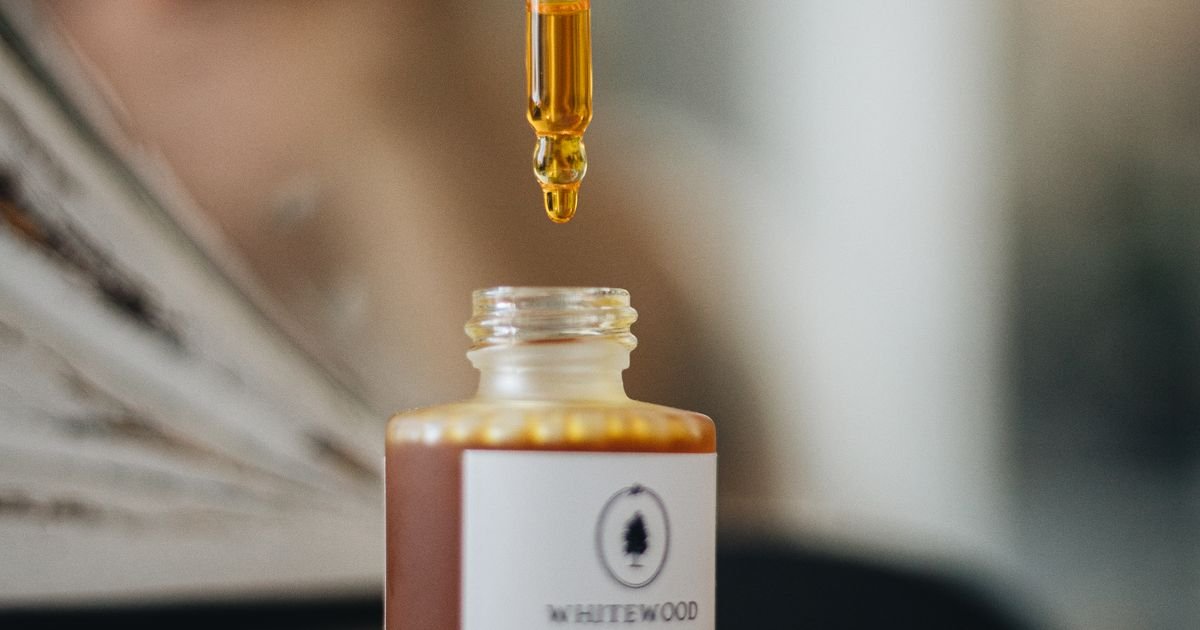
Here is the easiest way to picture it. If your toner opens the door and your serum does the heavy lifting, your essence is the quiet step in between that keeps everything soft and comfortable. Many people describe their skin feeling "cushioned" after an essence, and that word fits.
Essences grew out of a genuinely Korean habit of layering light hydration instead of relying on one thick cream. That same layering mindset shows up across K-beauty, where a careful night routine can stack several thin layers so each one adds up to softer, better-hydrated skin.
What Makes a Serum Different?
A serum is the most concentrated product of the three, packed with active ingredients that target one specific concern like dark spots, acne marks, or dullness. Where a toner preps and an essence hydrates, a serum goes to work on a problem. This is your treatment step.
Serums are thicker than essences but still lighter than a cream. They usually come in a small bottle with a dropper, and that small size is a clue. A little goes a long way because the formula is strong.
What might be inside?
- Vitamin C for brightening and fading pigmentation.
- Niacinamide for oil control, pores, and an even tone.
- Hyaluronic acid for deep, lasting hydration.
- Retinol for fine lines and cell turnover, best used at night.
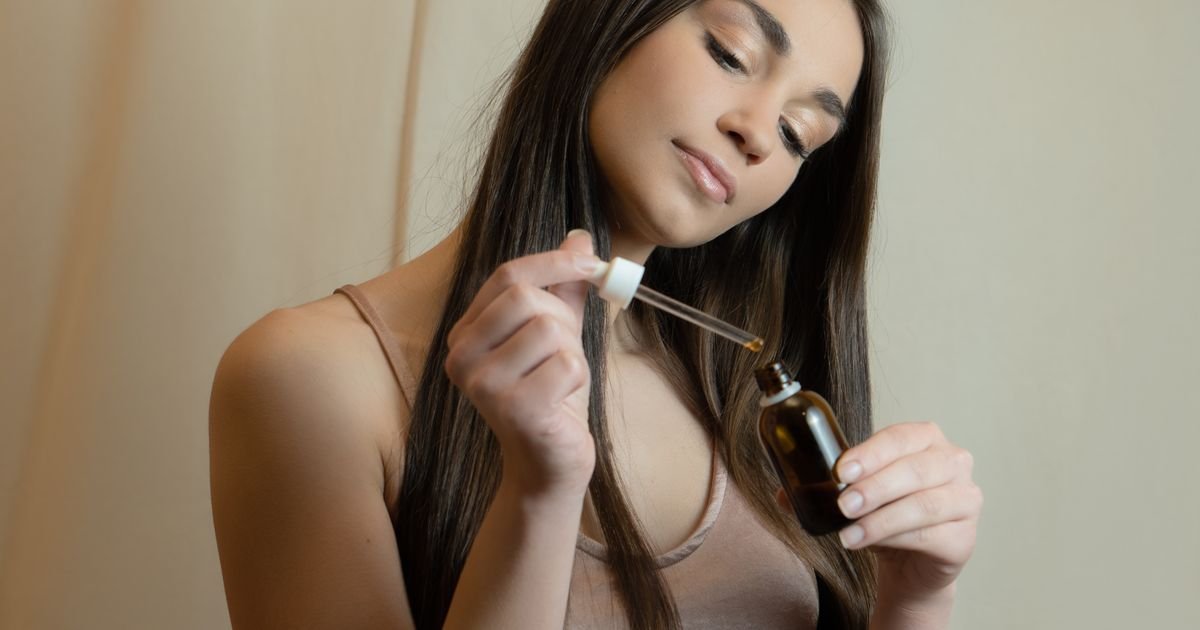
Because serums are so concentrated, you only need a few drops. Patting them gently into clean, slightly damp skin helps them absorb. If you are chasing a specific result, like fading old breakouts or stubborn dark spots, the serum step is where that work happens.
A quick note on reading labels. The strength of a serum often depends on how much active ingredient it actually contains, and that information hides in the ingredient list rather than the front of the bottle. Learning to spot it saves you from overpaying for a weak formula.
Toner vs Essence vs Serum: Where Does Each Fit in Your Routine?
The order is simple: cleanse, then toner, then essence, then serum, then moisturiser, with sunscreen as your final daytime step. The rule behind it is to go from the thinnest, most watery textures to the thickest, richest ones. Dermatology guidance backs this logic. The American Academy of Dermatology notes that the sequence you apply products in affects how well they work.
Why does order matter? A thin liquid cannot push through a thick cream. If you put your moisturiser on first, your watery toner and essence have no way to reach the skin. Thinnest to thickest keeps every layer doing its job.
Here is a clean morning version:
- Gentle cleanser
- Toner
- Essence (optional)
- Serum
- Moisturiser
- Sunscreen
And a night version:
- Cleanser (double cleanse if you wore makeup or sunscreen)
- Toner
- Essence (optional)
- Serum or treatment
- Night cream
Notice sunscreen only appears in the morning, and a richer night cream replaces it after dark. Keeping those two routines distinct is the single easiest way to build a daytime habit that actually sticks.
One more tip. Give each layer a few seconds to settle before the next. You do not need to wait ten minutes. A short pause while you brush your teeth is plenty.
Do You Actually Need All Three?
No, you do not need all three to have good skin. This is the part the beauty industry would rather you not hear. Plenty of people with glowing skin use only a cleanser, one treatment step, and a moisturiser with sunscreen.
The three steps exist to give you options, not obligations. A toner, essence, and serum each solve a slightly different problem. If you only have one of those problems, you only need one of those products.
Think of it like this:
- Skin feels tight and dull after washing? A hydrating toner or essence helps most.
- Dealing with dark spots, acne marks, or uneven tone? A targeted serum earns its place.
- Skin feels fine and you just want to keep it that way? A simple cleanse, moisturise, and sunscreen routine is enough.
Starting small has a real advantage. When you add one product at a time, you can tell what is working and what is upsetting your skin. Pile on five new things at once, and a breakout leaves you guessing which bottle caused it. Beginners especially benefit from a short routine of three or four well-chosen products rather than a crowded shelf.
Women make up the large majority of K-beauty buyers worldwide. That huge audience is exactly who the "simpler is better" advice serves best, because most of them are busy and want results without a twelve-step ritual.
How Do You Choose Based on Your Skin Concern?
Match the product to the problem you most want to solve, and ignore the rest for now. The quickest way to pick is to name your number one skin goal, then choose the step built for it. One clear concern points to one clear product.
Use this as a shortcut:
- Acne and acne marks: A serum with niacinamide or a gentle brightening active, paired with a non-stripping toner.
- Pigmentation and dark spots: A vitamin C serum or a dedicated brightening serum, used consistently.
- Dryness and tightness: A hydrating essence layered under a richer night cream.
- Dullness and rough texture: A mild polishing toner a few nights a week.
- Bridal prep and all-over glow: A steady routine of hydrating essence plus a brightening serum, started well ahead of the big day.
Sri Lanka's weather deserves a mention here. In our humidity, heavy creams can feel sticky and sit on the skin. A light essence often works better than a thick product because it hydrates without the greasy finish, so lean on lighter textures through the hottest months.
If you are prepping for a wedding, timing matters as much as product choice. Glow builds over weeks, not overnight, so starting early gives actives like vitamin C the runway they need to show results on the day.
Affordable Options for Each Step
You do not have to spend a fortune to build a toner, essence, and serum routine. A big part of K-beauty's global appeal is delivering real results at a gentle price. Korean brands have long proven that effective does not have to mean expensive.
A few ways to keep costs down:
- Start with one step, not three. Buy the product for your main concern first. Add the next only when you are ready.
- Look at combo packs. Bundles often work out cheaper than buying each bottle alone, and they take the guesswork out of matching products.
- Use installment-friendly pricing. Spreading the cost over a few payments makes a good serum far easier to afford.
- Mind the quantity. Serums last months because you use so little. A small bottle is better value than it looks.
At Onlinebeautybar, we stock toners, essences, and serums in LKR with island-wide delivery and installment options, and many of our Magical, Luxury, and Bridal Glow sets pair the steps together so you are not guessing what goes with what. That is the easiest way for a beginner to skip the trial and error.
If you like having the full picture before you buy, our complete K-beauty guide for Sri Lanka pulls everything together in one place.
Common Mistakes People Make With These Three
Even once you know what each product does, a few habits quietly cancel out your results. Here are the slip-ups we see most often, and the easy fix for each.
Using too much serum. More is not stronger. A serum is concentrated, so two or three drops is the full dose. Flooding your face wastes product and can leave a tacky film that stops your moisturiser sitting right.
Skipping the pause between layers. Pressing a serum onto a soaking-wet toner can dilute it or cause pilling, those little rolls of product that flake off. A few seconds of settling time fixes it.
Stacking strong actives on the same night. A vitamin C serum, an exfoliating toner, and a retinol all at once is a fast route to redness and peeling. Spread them across different days or different times.
Expecting overnight results. A serum targeting pigmentation or acne marks usually needs four to twelve weeks of steady use. Judging it after three days is the most common reason people give up too early.
Matching the wrong texture to the weather. A heavy, rich serum in peak humidity can feel suffocating and clog pores. When the air is sticky, reach for lighter, water-based layers first.
Fixing even one of these tends to make a routine you already own work noticeably better, no new purchase required.
Putting It All Together
Here is your single next step: name the one skin concern that bugs you most, then pick the product built for it. Tight, dull skin points you to a hydrating toner or essence. Dark spots and acne marks point you to a serum. Start there, use it consistently for a few weeks, and let your skin tell you whether it wants another layer.
That slow, one-at-a-time approach is how most people with great skin actually got there. Browse our toners, essences, and serums whenever you are ready, and if you are unsure which fits your skin, a quick message to our team will point you to the right starting bottle.
Frequently asked questions
Do I need to use toner, essence, and serum all at once?
No. Most people see results with just one or two steps. Choose the product that targets your biggest concern first, then add another layer only if your skin wants more.
What order do toner, essence, and serum go in?
Apply them from the lightest texture to the heaviest: toner first, then essence, then serum. Finish with moisturiser, and add sunscreen as your last daytime step.
Can I use a serum without an essence?
Yes. An essence is optional. If your skin feels hydrated after toner, you can go straight to a serum, then seal everything in with moisturiser.
Is an essence just a watery serum?
They overlap, but an essence is usually lighter and focuses on hydration, while a serum carries a higher dose of targeted actives like vitamin C or niacinamide for a specific concern.
Which one should a beginner buy first in Sri Lanka's humid weather?
A lightweight toner or essence suits humid weather because it hydrates without feeling heavy. Save richer serums and creams for night or for drier, air-conditioned days.