
Key takeaways
- Glass skin is a look of deep hydration and a smooth, healthy barrier, not a layer of makeup.
- Build it with thin, water-based layers (cleanse, tone, essence, serum, moisturiser) rather than one heavy cream.
- Daily sunscreen protects every bit of glow you build, and most people still skip it.
- Consistency for 4 to 8 weeks matters far more than any single expensive product.
- Sri Lanka's humidity is an advantage, so keep textures light and never over-strip your skin.
Glass skin is skin so hydrated and smooth that it looks clear and almost reflective, like a polished pane of glass. You get there with a simple glass skin routine built on gentle cleansing and thin layers of hydration, not with heavy makeup or a cabinet full of expensive bottles.
If you have scrolled past a dewy K-beauty selfie and thought that glow was impossible for real life, this guide is for you. We will walk through what the look actually is, why hydration comes first, and the exact morning and night steps to build it. You can start tonight with products you probably already own.
What Glass Skin Actually Means
Glass skin is a Korean beauty ideal. The name describes skin that looks translucent, even and smooth, with a soft light bouncing off it. Think of a healthy grape or a clean window rather than a matte, powdered finish.
Here is the part people miss. Glass skin is about skin health you can see, not coverage you apply. The glow comes from inside the skin being well hydrated, so light reflects evenly off the surface instead of catching on dry, flaky patches.
That means a few things in plain terms:
- Your pores look smaller because hydrated skin plumps up around them.
- Fine lines soften because dry skin shows creases more.
- The finish is dewy, not greasy, and it holds up without a filter.
It also helps to know what glass skin is not, so you set the right goal. It is not about being pale or lighter, despite how the look often gets marketed. The target is clarity and bounce at whatever shade your skin naturally is. Deep, medium and fair skin can all look like glass when they are well hydrated and even in texture.
You do not need poreless, flawless genetics to chase this. Glass skin is a direction, not a pass-fail test. Even a modest improvement in smoothness and bounce reads as a real glow in the mirror.
The Hydration-First Philosophy
Most Western routines lead with treating a problem. Korean skincare leads with feeding the skin water. That single shift is why the glass skin look is so tied to K-beauty.
Your skin has a protective outer layer called the barrier (the stratum corneum). It is made of skin cells held together by fats like ceramides, almost like bricks and mortar. When that barrier is strong, it locks water in and keeps irritants out. When it is damaged by harsh scrubs, over-washing or too much alcohol-based product, water escapes and skin turns dull, tight and dry.
Hydration-first care protects that barrier. Instead of one thick cream, you apply several thin, water-based layers. Each one carries humectants, ingredients that pull water into the skin, so hydration builds up gradually and sits deep rather than on top.
A quick vocabulary note, since these words show up on every label:
- Humectants draw water in. Hyaluronic acid and glycerin are the famous ones.
- Emollients smooth and soften. Think squalane and plant oils.
- Occlusives seal everything in. A light moisturiser is usually enough.
If you want to understand how these water-based steps differ, our guide on toner vs essence vs serum breaks down what each one actually does.
Step-by-Step Glass Skin Routine for Dewy Skin
Here is the core routine. Follow it in order and apply each layer to slightly damp skin so the next one absorbs better. Give every step a few seconds to absorb before the next.
- Double cleanse at night. Start with an oil-based cleanser to melt off sunscreen and makeup, then follow with a gentle water-based wash. This leaves skin clean without stripping it, which is the single biggest mistake beginners make.
- Tone to rehydrate. A hydrating toner resets your skin and adds the first water layer. Pat it in with your palms rather than wiping with cotton.
- Layer an essence. Essence is a lightweight, watery step packed with humectants. Press one or two thin layers in. This is the heart of the glass skin look.
- Apply a serum. Pick one target here. Hyaluronic acid for pure hydration, or niacinamide for tone and smoothness.
- Seal with moisturiser. A light gel or lotion locks the water in. In humid weather, less is more.
- Sunscreen every morning. This is the step that protects all the glow you just built. Never skip it, even indoors near windows.
Morning uses the lighter version: a gentle wash, toner, a hydrating serum, moisturiser and sunscreen. Night is where you add the oil cleanse and can layer a little more. If you want a fuller evening sequence, see how to layer a Korean 7-step night routine.
A practical tip for beginners: add one new step at a time, a few days apart. If skin stays calm, keep going. If it reacts, you will know exactly which product to pull.
Products That Boost Glass-Skin Glow
You do not need all of these at once. Start with a cleanser, a hydrating toner, one serum, a light moisturiser and sunscreen. Add the rest as your skin and budget allow.
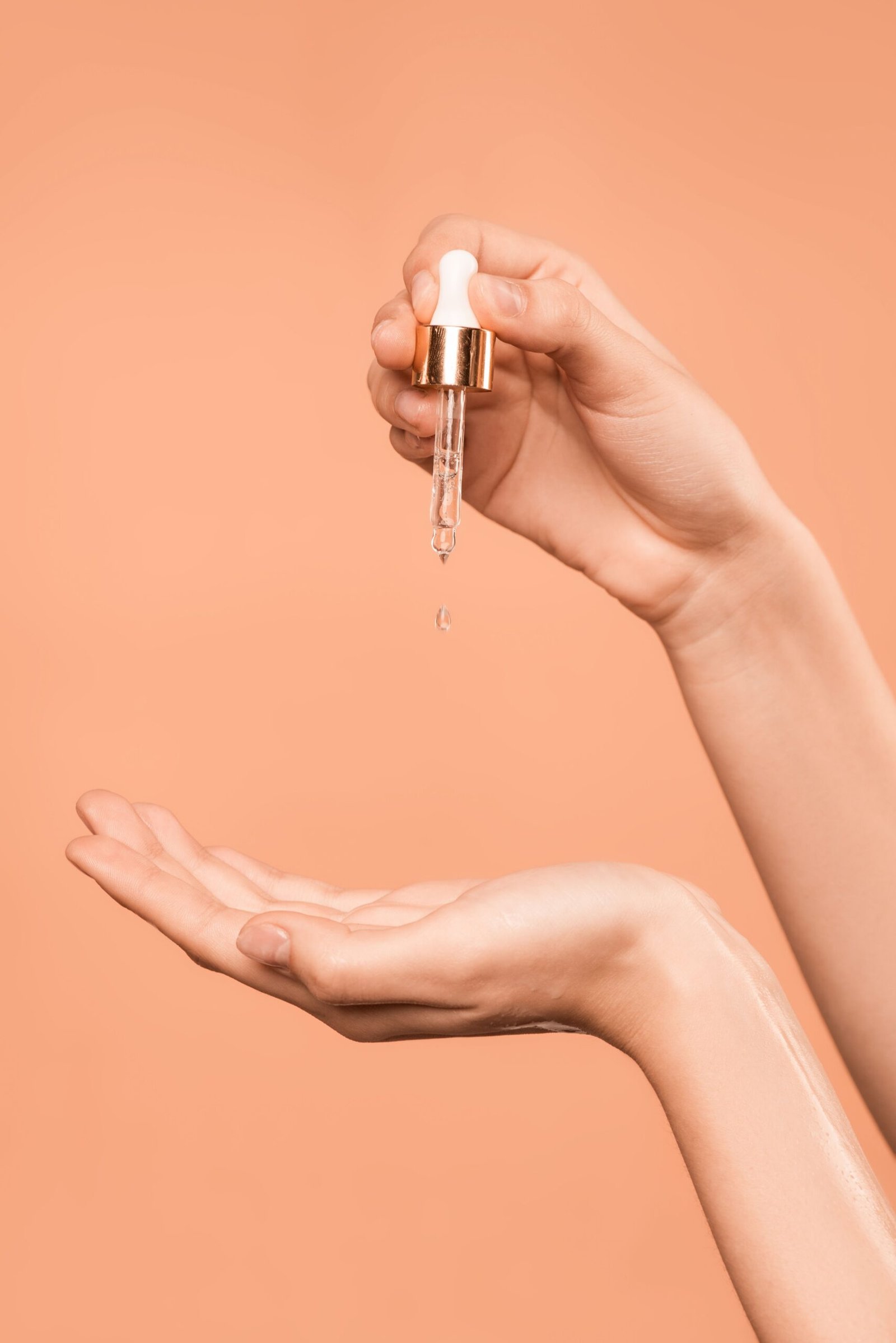
- Hydrating toner or polishing toner. The first water layer and the easiest upgrade for a dewy finish.
- Essence. The signature K-beauty step for building deep hydration between cleansing and serum.
- Hyaluronic acid serum. A humectant that holds water in the skin and plumps the surface.
- Niacinamide serum. A form of vitamin B3 that supports the barrier and evens out tone over time.
- Light gel moisturiser. Seals in moisture without the heavy, greasy feel that humid days punish.
- Broad-spectrum sunscreen. The non-negotiable finisher for every morning routine.
At Onlinebeautybar, our Magical and Luxury Glow ranges are built around exactly this gentle, layer-friendly approach, with toners, facewashes and night creams you can combo together. Many customers start with a small bundle so they can test the full routine without buying every piece at full price. For brand-new buyers, starting with a small, matched set beats buying one random bottle at a time.
One honest caution: more products do not mean faster results. If you are reaching for seven serums and your skin feels tight or stings, you may be overdoing it. Watch for signs you are using the wrong products, like persistent tightness, redness or breakouts, and simplify.
Why Sunscreen Decides Whether Glass Skin Lasts
You can build a beautiful glow at night and undo it by lunchtime if you skip sun protection. UV exposure is the main outside cause of dullness, dark spots and early lines, and it quietly erases the hydration work you put in.
The problem is that most people know this and still skip it. In a 2025 American Academy of Dermatology survey of more than 1,000 US adults, 50 percent said they worry about premature skin aging, yet only 56 percent use sunscreen regularly. The same survey found nearly 1 in 4 people did not know sunscreen helps prevent early aging at all.
So treat sunscreen as the final step of your glass skin routine, not an optional extra. A light, broad-spectrum formula over your moisturiser every morning keeps your glow from fading into pigmentation and dryness. If dark spots are already a concern, daily sunscreen is the step that stops them getting darker while the rest of your routine works to fade them.
Adjusting the Routine for Your Skin Type
The same six steps work for most people, but the textures you pick should match your skin. Glass skin is not one product list for everyone.
- Oily and acne-prone. Oily skin is often dehydrated, which pushes it to make even more oil. Keep every layer water-based, choose a gel moisturiser, and lean on niacinamide to calm oil and even tone. Skip heavy facial oils.
- Dry skin. Add a richer night cream and a facial oil as your last night step to trap moisture. You may also want two essence layers instead of one.
- Combination skin. Treat your face in zones. A lighter moisturiser over the oily T-zone and a touch more on dry cheeks works better than one product everywhere.
- Sensitive skin. Cut fragrance, go slow, and patch test new products on your jaw for a few days before using them on your whole face.
If you are unsure what your skin actually needs, the simplest test is how it feels an hour after cleansing. Tight means you need more hydration. Shiny means lighter textures.
Common Glass Skin Mistakes to Avoid
Beginners often stall because of a handful of avoidable errors, not because the look is out of reach. Here are the ones we see most often.
- Chasing shine with oil, not water. A greasy film is not glass skin. The glow comes from hydration under the surface, so fix tightness with humectant layers first.
- Applying products to bone-dry skin. Humectants pull in whatever water is around. On dry skin in dry air, they can pull moisture out of your face instead. Apply to slightly damp skin.
- Switching products every week. Skin needs a few weeks to show what a routine can do. Constant swapping means you never see real results and never learn what works.
- Over-exfoliating for faster results. Scrubbing or acid-ing daily strips the barrier, and a damaged barrier can never look like glass. Dial it back to once or twice a week.
- Treating sunscreen as optional. This is the one that quietly cancels everything else, which is why it has its own section above.
Fix these five and most people see a clear difference within a month, using products they already own.
Maintaining Glass Skin Results Long Term
Glass skin is a habit, not a weekend project. The glow you see after a week of layering fades fast if the routine stops. Think of it like watering a plant: steady, little and often beats one big soak.
A few habits keep results for the long run:
- Be consistent for 4 to 8 weeks. This is roughly how long it takes to see a steady, lasting change rather than a one-day finish.
- Hydrate from the inside too. Drinking enough water and eating fruit and vegetables supports what you do on the surface.
- Do not over-exfoliate. Once or twice a week is plenty. Scrubbing daily breaks the barrier and kills the glow.
- Adjust with the season. Lighter textures in hot, sticky months and a touch more richness if your skin ever feels tight.
- Sleep and manage stress. Your skin repairs overnight, which is part of why night care matters so much.
If you want a stronger evening routine to support repair, a richer night cream after your serum gives skin more to work with while you sleep.
Adapting Glass Skin to Sri Lanka's Humid Weather
Glass skin advice usually comes from Korea, where the climate is drier and cooler than Colombo. The good news is that our humidity actually helps, because moist air keeps skin from drying out. You just have to adjust the textures.
Keep these local tweaks in mind:
- Go light on moisturiser. A gel or lotion often beats a thick cream here. Heavy layers can feel sticky and clog in the heat.
- Lean into water-based layers. Toner and essence do a lot of the work, so you may need less occlusive product on top.
- Blot, do not strip. If your face gets shiny by midday, blot gently rather than washing again and drying it out.
- Never skip sunscreen outdoors. Our sun is strong year round, which makes daily SPF even more important than in cooler climates.
For a deeper local breakdown, matching your textures to the season is the one adjustment that makes a global routine work in our climate.
Your First Week to Glass Skin
Glass skin comes down to three honest things: hydrate in thin layers, protect with sunscreen, and stay consistent. None of that requires a dermatologist or a huge budget, just a few gentle products and a little patience.
Start tonight. Cleanse properly, pat in a hydrating toner, press on a light serum, seal with moisturiser, and add sunscreen tomorrow morning. Do that for one week and check the mirror. If you want a simple, layer-friendly set to begin with, browse the Magical and Luxury Glow bundles at Onlinebeautybar and pick one that matches your skin type.
Frequently asked questions
How long does a glass skin routine take to show results?
Most people notice a softer, more hydrated finish within a week. A visible, lasting glow usually takes 4 to 8 weeks of daily care.
Is glass skin possible for oily or acne-prone skin?
Yes. Oily skin often lacks water, not oil. Light hydrating layers and a gel moisturiser can calm oil and still give that dewy look.
Do I need expensive products for glass skin?
No. A gentle cleanser, a hydrating toner, one humectant serum, a light moisturiser and daily sunscreen are enough to start.
Can I get glass skin in Sri Lanka's humid weather?
Absolutely. Humidity helps keep skin hydrated. Choose lightweight, water-based textures so layers absorb instead of sitting heavy on the skin.